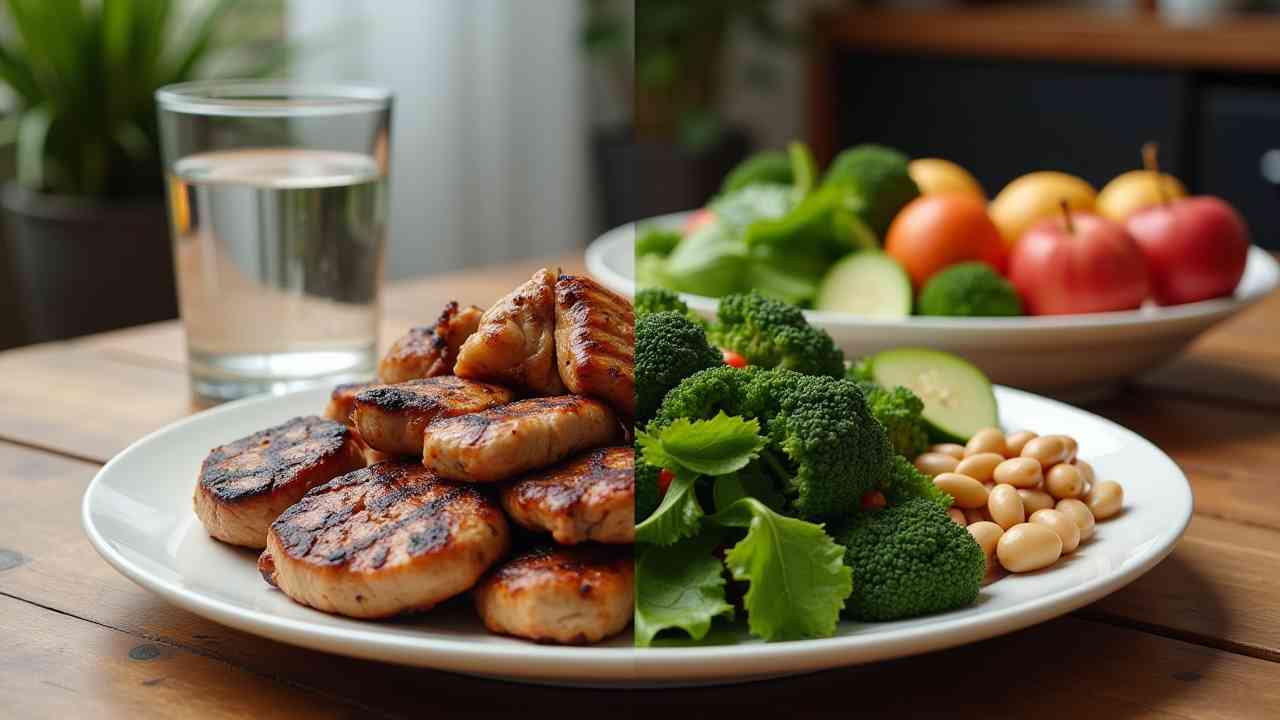
🤔 Does a High Protein Diet Cause Constipation? (The Fiber Fix)
Are you starting a high protein diet? 💪 This is a popular way to build muscle. It is also great for weight loss. But you might notice an unwelcome side effect. Does a high protein diet cause constipation? This is a very common complaint. Many people feel "backed up" when they boost protein. But is the protein itself the problem? The answer is a bit more complex. It is usually indirect. Let's look at the real cause. It is often not the protein. It is what is missing from your plate. 🥦
🤔 Why Does This Constipation Happen?
So, does a high protein diet cause constipation directly? No, protein itself is not the enemy. The problem is a lack of fiber. Fiber is the key to healthy digestion. When you focus on protein, you might neglect other foods. Many people eat less fruit, vegetables, and whole grains. These are all high-fiber foods. This trade-off is the real culprit. A diet high in meat, eggs, and cheese can be very low in fiber. This is what causes the constipation. Your digestive system slows down without fiber.
🌾 What Is the Role of Fiber?
Fiber is a type of carbohydrate. Your body cannot digest it. It plays a huge role in your gut health. It is essential for regular bowel movements. There are two types of fiber. Soluble fiber dissolves in water. It forms a gel. This helps soften your stool. Insoluble fiber does not dissolve. It adds "bulk" to your stool. 🏋️ This bulk helps move food through your system. When you eat a low-fiber, high-protein diet, you lose this. Your stool becomes hard and difficult to pass. This is constipation.
💧 What About Dehydration?
Dehydration is another major factor. This is often linked to a high protein diet. Your body needs more water to process protein. 🚰 Your kidneys work harder. They must flush out the byproducts of protein metabolism. This uses a lot of water. If you do not drink enough, you become dehydrated. Your body will pull water from your colon. This is a survival mechanism. This makes your stool even harder and drier. So, a high protein diet can lead to dehydration. This dehydration then causes constipation. 💧
🥩 Do Some Protein Sources Make It Worse?
Yes. The type of protein you choose matters. This can make your constipation feel worse. It comes back to fiber and fat. For example, red meat (like beef and lamb) has zero fiber. It is also often high in saturated fat. This fat can slow down digestion. A diet heavy in red meat is a common cause. Processed protein is also a problem. This includes protein bars and some shakes. They can be low in fiber. Some may have additives that bind you up. Dairy protein (like whey or casein) can also be constipating for many people.
💡 How Can You Prevent Constipation on a High Protein Diet?
You can have the best of both worlds. You can eat a high protein diet. And you can have healthy digestion. You just need to be smart about it. You do not need to ask "does a high protein diet cause constipation?" You can actively prevent it. Here are the most effective strategies. ✨
How Much Fiber Do You Need?
You must add fiber back into your diet. This is the number one rule. Do not just eat a plate of chicken. Add a huge side of vegetables. Aim for 25-35 grams of fiber per day. This is the goal for most adults. Get this from whole-food sources. Good choices include:
Vegetables: 🥦 Broccoli, spinach, and Brussels sprouts.
Fruits: 🍓 Berries (raspberries are best), apples, and pears.
Legumes: 🫘 Lentils and beans (if your diet allows).
Seeds: Chia seeds and flaxseeds are amazing. Add them to a (keto-friendly) protein shake.
How Much Water Should You Drink?
Increase your water intake. This is non-negotiable on a high protein diet. You must drink more water than you used to. 💧 Aim for at least 8-10 glasses per day. You may need even more if you are active. Your urine should be a pale yellow color. This is a good sign of hydration.
Should You Move Your Body?
Yes. Exercise helps your digestion. Physical activity stimulates your bowels. 🏃♀️ Even a simple 20-minute walk can help. Movement helps your digestive tract "massage" food through. This is especially true for constipation. Get up and move. It can provide fast relief.