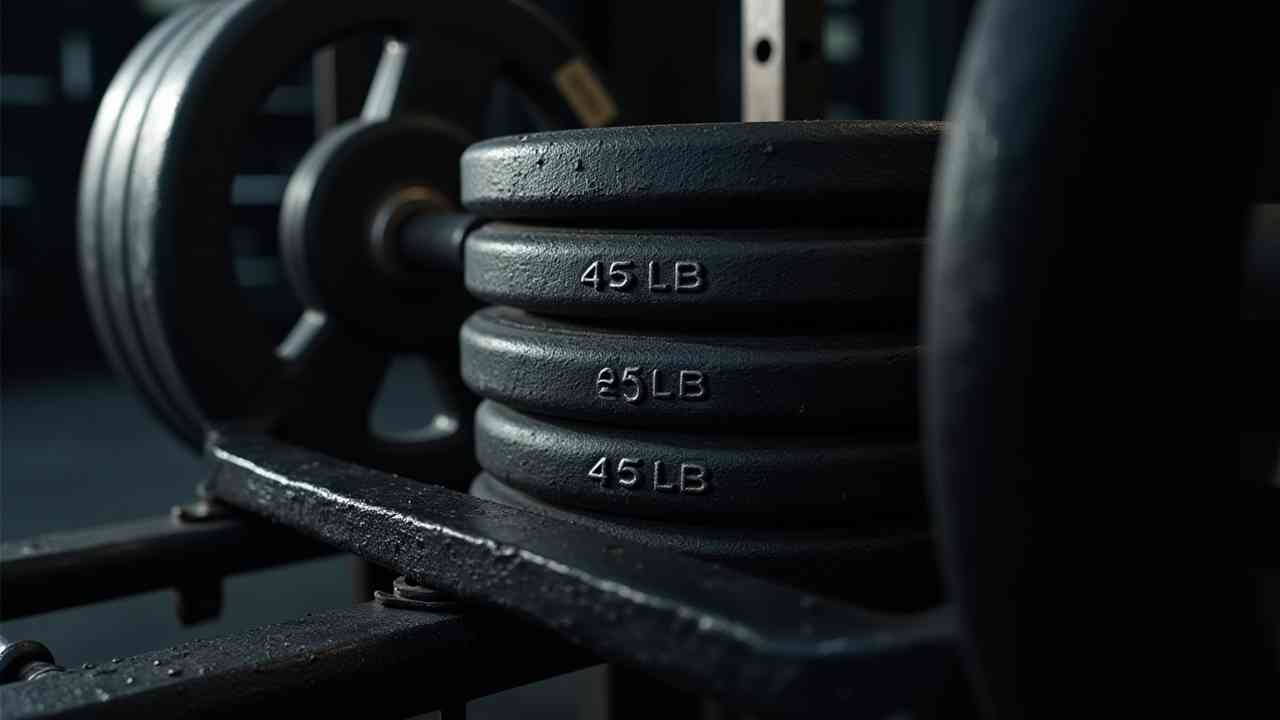
45 lb Weight Plates: The Gym Standard 🏋️♂️💪
The 45 lb Plate: An Icon of Strength
The 45 lb weight plate is the symbol of serious training. It is the standard unit of measurement in gyms across America. It represents the foundation of building strength. When lifters ask "how much do you lift," they often mean "how many 45s?" This plate is not just iron; it is a tool for transformation. It is essential for heavy, compound movements. Understanding its types is key to your success.
The Olympic Standard: The 2-Inch Hole
The most important feature of a 45 lb plate is its center hole. Gyms use the Olympic standard. Olympic plates have a 2-inch (50mm) center hole 📏. This large hole is designed for one specific bar. That bar is the Olympic barbell. The Olympic barbell weighs 45 lbs (20kg) itself. Its sleeves (the ends) are 2 inches thick. The plates fit snugly on these rotating sleeves.
Why Not "Standard" Plates?
You may also see "standard" plates. These are common in home gyms. Standard plates have a small, 1-inch center hole. Almost no 45 lb plates use the 1-inch standard. Why? Because 1-inch bars are weak ⚠️. They cannot safely hold the weight that 45 lb plates imply. They can bend or break easily. If you are serious about lifting, you need Olympic 45 lb plates. They are the universal standard for safety and progress.
45 lbs vs. 20 kg: The American Standard
There is often confusion about weight in international competitions. A 45 lb plate is an American imperial standard. It weighs exactly 45 pounds. This equals about 20.4 kilograms (kg). In international powerlifting (IPF) or weightlifting (IWF), they use kilograms. Their standard large plates are different. IWF (Olympic Lifting): The largest plate is 25 kg (55 lbs). It is colored red 🔴. IPF (Powerlifting): The largest plate is 25 kg (55 lbs), also red. They also use 20 kg (44 lbs) plates, which are blue 🔵. In the USA, the 45 lb plate (20.4kg) is the gym staple. It is most often colored black, or it is a multi-colored bumper plate. Do not confuse a 44 lb (20kg) blue plate with a 45 lb plate. The math matters for your personal records.
Material 1: Cast Iron 45 lb Plates (The Classic)
The most iconic 45 lb plate is made of solid cast iron. This is the "old school" plate found in powerlifting gyms. It is loved for its durability and classic feel. The clanging sound of iron plates is a key part of gym culture 🎶.
Pros of Iron Plates
Durability: They are nearly indestructible. A cast iron plate will last for generations. Thin Profile: Iron is very dense. This makes the plates thin. You can fit more 45 lb plates on the barbell. This is crucial for very heavy deadlifts or squats. Lifters call this "bar real estate." Cost: Iron plates are generally cheaper than rubber bumper plates. Feel: Many lifters prefer the gritty, stable feel of iron. It does not bounce.
Cons of Iron Plates
DANGER: DO NOT DROP 🚫. This is the most important rule. Dropping iron plates is dangerous. It can damage your bar, your floor, and the plate itself. You must control the weight at all times. This makes them unsuitable for Olympic lifting (snatch, clean and jerk). Noise: They are extremely loud. The "clang" is satisfying to some but distracting to others. Damage: They will chip, rust, and damage any floor they hit.
Who Should Use Iron 45s?
Powerlifters: For the "Big 3" (squat, bench, deadlift). You need thin plates to load the bar heavy. Bodybuilders: For controlled movements and machine use. Home Gyms (on a budget): If you have protective floor mats and lift with control.
Material 2: Bumper Plates (The Modern Standard)
Bumper plates are a modern innovation. They are also 45 lbs. But they are made of thick, high-density rubber 🏋️♀️. They were designed for one purpose: to be safely dropped.
Pros of Bumper Plates
Safety: You can drop them! This is not an option with iron. It is essential for Olympic weightlifting. You must be able to bail from a failed lift overhead. Protection: Bumper plates protect your barbell. They also protect your gym floor. They absorb the impact of the drop. This is crucial for home gyms without reinforced flooring. Quiet: They make a dull "thud," not a loud "CLANG." This is great for home gyms or quiet environments. Standard Diameter: This is a key feature. Bumper plates have a standard 450mm diameter. This is true for 10, 15, 25, 35, 45, and 55 lb plates. This feature is vital. (More on this later).
Cons of Bumper Plates
Thickness: Rubber is less dense than iron. Bumper plates are much thicker. A 45 lb bumper plate is 2-3 times thicker than an iron plate. This means you can fit fewer plates on the bar. This limits your maximum deadlift or squat. Cost: High-quality bumper plates are more expensive than iron plates. Bounce: They have a "dead bounce," but they do bounce. This can be awkward if you are not used to it, especially on deadlifts.
Who Should Use Bumper 45s?
Olympic Lifters: It is non-negotiable. You must have bumper plates. CrossFit Athletes: CrossFit workouts involve dropping weights repeatedly. Home Gym Owners: Bumpers are the safest choice for protecting your floor 🏠. Beginners: They are safer to learn with. You can drop the weight if you get in trouble.
Material 3: Urethane and Competition Plates
There is a third, premium category. Urethane-coated plates are top of the line. They have a steel core, just like iron. But they are coated in a durable urethane plastic. They are thin like iron plates. They are also highly durable and protect your floor. Competition plates (IWF or IPF certified) are high-end bumper plates. They are extremely accurate in weight and very thin. They are also the most expensive 💰.
The 450mm Standard: Why 45 lb Plates are BIG
Have you noticed that 45 lb plates are always the largest in diameter? All IWF-standard 45 lb (or 20/25 kg) plates are 450 millimeters (17.7 inches) in diameter. This is a crucial, non-negotiable standard. This standard sets the correct starting height for the deadlift 🔑. The 450mm diameter ensures the barbell is at the right mid-shin height. This is the same for every lifter, everywhere in the world. This is why high-quality 10, 15, 25, and 35 lb bumper plates are also 450mm. They are just thinner. This allows you to practice the deadlift with light weight at the correct starting height. Cheap iron plates are often not standardized. A 35 lb iron plate is usually smaller in diameter than a 45 lb iron plate. This is a key difference.
45 lb Plates in Training
In the gym, 45 lb plates are your main tool for progress. They are the building blocks of strength.
Progressive Overload
Strength is built via progressive overload. You must continually add weight to the bar. The 45 lb plate is the largest and fastest jump you can make. It is a milestone. Adding a 45 to each side (90 lbs total) is a major step up. This is why "fractional plates" (1-5 lbs) are also important. They help you make small jumps between the big 45 lb increases.
"Gym Math" and Culture
45 lb plates are the language of the gym. A 45 lb bar + one 45 lb plate on each side = 135 lbs. This is called "one plate." A 45 lb bar + two 45 lb plates on each side = 225 lbs. This is "two plates." A 45 lb bar + three 45 lb plates on each side = 315 lbs. This is "three plates." These numbers (135, 225, 315, 405) are the major milestones of strength. They are all based on the 45 lb plate.
Safety and Handling
A 45 lb plate is heavy. Handling it incorrectly can lead to injury. Always prioritize safety when loading and unloading the bar.
Loading the Bar
Do not lift a 45 lb plate by bending your back. Deadlift it. Hinge at your hips and use your legs. Keep the plate close to your body. When the bar gets heavy (over two plates), loading is hard. The bar sags. The plates on the ground create friction. Pro Tip: Roll the first plate on the ground onto a small 2.5 or 5 lb plate. This raises the bar slightly. This makes it easy to slide the other 45 lb plates on and off 💡. A barbell jack is a tool specifically designed to lift the bar for easy loading.
Always Use Collars
Always secure your plates with collars or clips 🛡️. A 45 lb plate sliding off one side of the bar is a disaster. It will cause a catastrophic weight imbalance. This can cause severe injury, especially on a squat or bench press. Never lift without collars.
Conclusion: The Standard for Strength
The 45 lb weight plate is more than just a heavy disc. It is the international symbol of strength. It is the standardized tool for progressive overload. It is almost always an Olympic plate with a 2-inch hole. It sets the starting height for the deadlift (450mm). Your choice is simple. Do you drop your weights? If yes, buy Bumper Plates. If no, and you want to lift as heavy as possible, buy Iron Plates. Either way, the 45 lb plate is your primary partner in the journey to getting stronger 🌟.