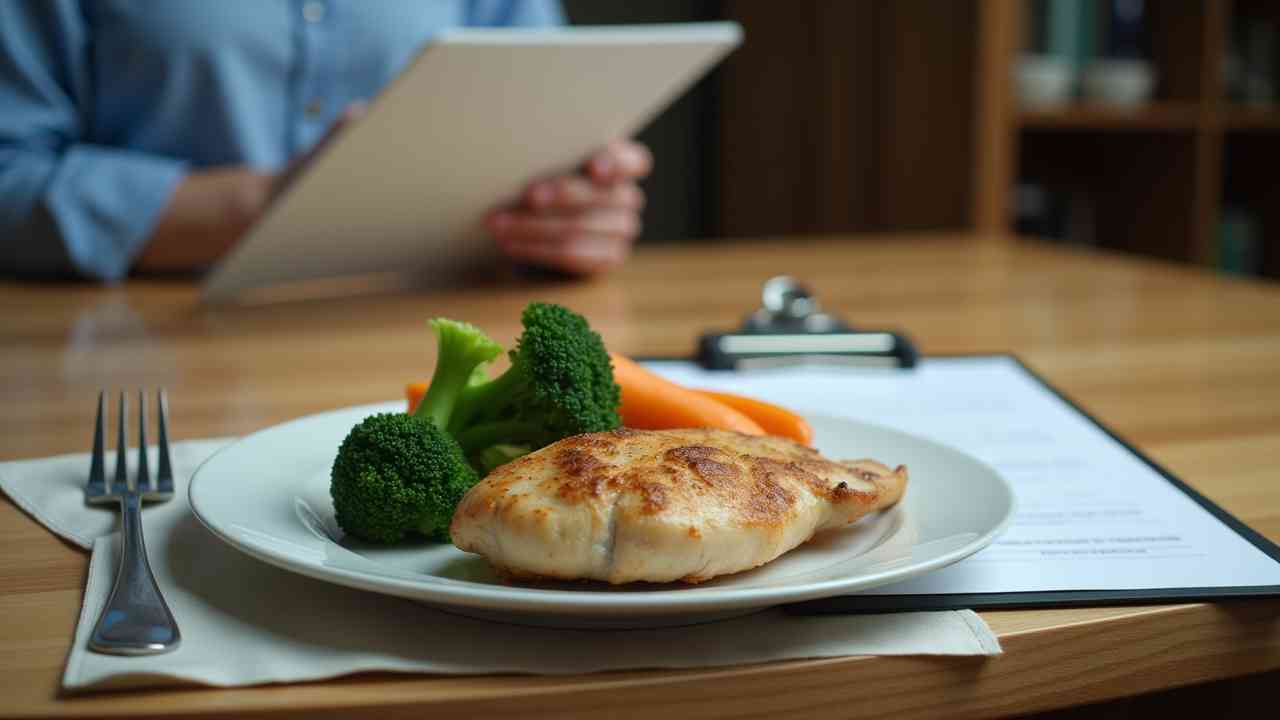
1000 Calorie Diet Meal Plan: Is It Safe? ⚠️
CRITICAL WARNING: This is a Medical Diet
This article is for information only. 🛑 A 1000 calorie diet is a Very Low-Calorie Diet (VLCD). It is NOT a safe or sustainable plan for most people. You must never start this diet. Not without medical supervision. 🧑⚕️ This level of restriction is extreme. It can be very dangerous. It is a medical tool. It is not a casual "summer diet." This guide will explain the risks. It will show you the purpose. We will provide a sample plan. This plan shows the structure. This is what a doctor might prescribe. This is not a recommendation. 🚫 Your health is the #1 priority. Do not risk it. Consult your physician or a registered dietitian. 🩺 They are the only ones who can build this plan for you. They can do it safely. This plan is for a very specific, small group of people. Most people should not attempt it.
The Dangers of a 1000 Calorie Diet
Why is this diet so dangerous? ⚠️ It is dangerous because 1000 calories is not enough fuel. It is far below your Basal Metabolic Rate (BMR). 📉 Your BMR is the energy you burn at rest. Just to live. To keep your heart beating. 💓 For most adults, the BMR is 1400-2000+ calories. Eating 1000 calories is a massive energy deficit. Your body interprets this as starvation. famine When your body senses starvation, it fights back. 🛡️ This "fight" is what causes the damage. This damage has four main parts.
Danger 1: Severe Muscle Loss (Sarcopenia)
Your body needs fuel to survive. It will find it. It will burn some of your stored body fat. This is good. 👍 But it will also burn your muscle tissue. This is a disaster. 👎 Your body sacrifices muscle mass. It is a desperate act. It is trying to conserve energy. Muscle is "expensive" tissue. It burns a lot of calories. Your body gets rid of this "expensive" tissue. It wants to save fuel. This muscle loss is called sarcopenia. It makes you weak. It makes you frail. You are losing "weight." But you are losing the good weight. You are losing your strength. 💪
Danger 2: Metabolic Damage (The "Crash")
This is the worst, most lasting damage. 💔 Losing muscle is bad. Why? Muscle is your metabolic engine. 🔥 Muscle burns calories 24/7. Even when you are asleep. When you lose muscle, your engine shrinks. Your metabolism slows down. It "crashes." 📉 Your body becomes very, very efficient. It learns to survive on 1000 calories. Now, what happens when you stop the diet? 🤔 You are tired. You are hungry. You go back to eating 1800 calories. But your body has a "slow" 1000-calorie engine now. It cannot burn 1800 calories anymore. It has a 800-calorie surplus. 📈 It stores all of this surplus. It stores it as new fat. This is called rebound weight gain. ⚖️ You will regain all the weight. It happens very fast. And often, you gain more weight back. You have less muscle than before. You have more fat. You are now "fatter" at the same body weight. This is the "yo-yo" diet cycle. A VLCD can permanently damage your metabolic rate.
Danger 3: Severe Nutrient Deficiencies
Food is not just calories. Food is information. 🍎 Food is vitamins. It is minerals. It is fiber. It is protein. It is impossible to get all your nutrients on 1000 calories. 🚫 You will become deficient. You will lack iron. You will lack calcium. You will lack zinc. You will lack B-vitamins. This leads to serious health problems. This is not healthy. Your hair may fall out. 👩🦲 Your skin will become dry and thin. Your immune system will weaken. You will get sick often. 🤒 Your energy will be zero. You will have constant brain fog. 🧠 This is why a VLCD must be supervised. It requires medical-grade supplements.
Danger 4: Gallstone Formation
This is a painful, specific side effect. 😖 Rapid weight loss is a major risk factor for gallstones. A VLCD is very low in fat. Your gallbladder stores bile. It uses bile to digest fat. If you eat no fat, your gallbladder does not empty. 💧 The bile just sits there. It becomes stagnant. It concentrates. This stagnant bile can form hard, painful gallstones. 💎 These stones can cause a medical emergency. They often require surgery. You started a diet to get healthier. You ended up in the hospital. 🏥 This is a very real, very common risk.
Who is This Diet For? (The Medical Use)
So, why does this diet even exist? 🤔 If it is so dangerous, who is it for? A 1000 calorie diet is a medical tool. 🛠️ It is a short-term intervention. It is for a specific, urgent goal. Doctors use it in two main situations.
1. Pre-Bariatric Surgery (The "Liver-Shrinking Diet")
This is the most common use. 🧑⚕️ It is for patients with morbid obesity. Patients who are about to have weight loss surgery. (Like a gastric bypass). These patients often have a very large, fatty liver. The surgeon must operate under the liver. 🔪 A large, fatty liver is a big problem. It is in the way. It is slippery. It is easy to damage. A VLCD is prescribed for 2-4 weeks. It is prescribed before the surgery. This diet is low-carb and low-fat. It forces the body to burn glycogen. Glycogen is stored in the liver. This rapidly shrinks the liver. 📉 It makes the surgery safer. It makes it faster. It reduces complications. This is a life-saving, short-term tool.
2. Urgent Medical Intervention
A doctor may use this plan for other patients. 🩺 This is for patients with severe, weight-related health issues. This includes:
- Uncontrolled Type 2 Diabetes
- Severe, life-threatening sleep apnea
- Dangerous high blood pressure
The 1000 Calorie Meal Plan: The Structure
A safe 1000 calorie plan has one main rule. It must be a High-Protein Diet. 🔑 This is the only way to fight metabolic damage. You must protect your muscle mass. Protein is the shield. 🛡️ This plan is not about "eating anything" under 1000 calories. You cannot eat two donuts and a bag of chips. (That is ~1000 calories). 🍩 This would be a disaster. You would lose all your muscle. You would be starving. The diet must be High Protein, Low Fat, and Low Carb. 📈
The Macro Goal: High Protein
The goal is to maximize protein. This is for two reasons. 1. Protein protects muscle. It gives your body the amino acids it needs. It helps prevent muscle loss (sarcopenia). Your body will burn fat, not muscle. This is the goal. Aim for 100-120 grams of protein per day. This is very high. 🥩 This amount of protein is 400-480 calories. This is half your entire day's budget! ✅ 2. Protein is satiating. Satiety is the feeling of fullness. Protein is the most satiating macronutrient. It makes you feel full. It kills your appetite. 🧠 On 1000 calories, you will be hungry. Protein is your best weapon. It makes the hunger manageable.
The Fuel: Low Carb & Low Fat
The other 500-600 calories come from carbs and fat. These must be kept low. This is a low-fat, low-carb plan. Fat is used as a tool. It is for flavor. A small amount is needed. You need about 20-30 grams of fat. (180-270 calories). 🥑 Carbs are for energy. They come from vegetables and fruit. 🥦 Carbs fill the rest of the budget. About 50-80 grams. (200-320 calories). These carbs must be complex carbs. They must be high in fiber. Fiber adds "bulk." It fills your stomach. This also helps you feel full.
The "Allowed" Food List (The Menu)
This diet is about choices. You must choose "high-volume, low-calorie" foods. You must also choose "high-protein, low-fat" foods. Your plate should be simple. 🍽️
1. Lean Protein (The Foundation)
This is your #1 food group. 🥇
- Skinless Chicken Breast
- Skinless Turkey Breast
- Egg Whites (The #1 choice. Pure protein, no fat) 🍳
- White Fish (Cod, Tilapia, Haddock, Grouper) 🐟
- Shellfish (Shrimp, Scallops) 🦐
- Nonfat Plain Greek Yogurt
- Nonfat Cottage Cheese
- Whey or Vegan Protein Powder 🥤
2. Non-Starchy Vegetables (The Volume)
This is your #2 food group. You must eat a lot of these. These are "volume" foods. They fill your plate. They fill your stomach. They have almost no calories. 🥬 You should eat 5-8 cups of these per day.
- Spinach, Lettuce, Kale, Arugula
- Broccoli 🥦
- Cauliflower
- Green Beans
- Asparagus
- Zucchini and Summer Squash
- Bell Peppers 🌶️
- Mushrooms 🍄
- Celery
- Cucumbers 🥒
3. Carbs & Fruits (The Energy)
These must be strictly portioned. ⚖️ You can have 1-2 small servings per day.
- Berries (Raspberries, Strawberries, Blueberries) 🍓
- An Apple 🍎
- A small Sweet Potato
- A small portion (\frac{1{2 cup) of Quinoa or Brown Rice
- A small portion (\frac{1{2 cup) of Beans or Lentils
4. Fats (The Flavor)
These must be strictly measured. 🥄 Fat is high-calorie. A small mistake is a big problem. One tablespoon of oil is 120 calories. That is 12% of your entire day! 🚫 You must measure with a teaspoon.
- 1 tsp Olive Oil (40 calories)
- \frac{1{4 of an Avocado (70 calories) 🥑
- 1 tbsp of Nuts or Seeds (50-60 calories)
Foods to AVOID (The 1000-Calorie Killers) ❌
These foods are banned. They have no place here. They are "calorie-dense" and "nutrient-poor."
- All Sugary Drinks: Soda, juice, sweet tea. 🥤
- All Processed Snacks: Chips, cookies, crackers, granola bars. 🍪
- All Fast Food: A single burger can be 1000 calories. 🍔
- All High-Fat Meats: Ribeye, sausage, bacon, dark meat chicken. 🥓
- All High-Fat Dairy: Cheese, full-fat milk, butter. 🧀
- All "White Carbs": White bread, white pasta, white rice.
- All Cooking Oils: (Unless measured by the half-teaspoon).
- All Alcohol: Alcohol stops fat-burning. It is full of empty calories. 🍷
A Sample 1000 Calorie Diet Meal Plan
This is a sample. It is not a prescription. 📝 This plan is high in protein and fiber. It is designed to maximize satiety. It is a difficult day of eating. It requires a lot of discipline. This plan is approximately: 1000 Calories, 120g Protein, 80g Carbs, 25g Fat.
Breakfast: (Approx. 260 Calories)
High-Protein Yogurt Bowl 🥣
- 1 cup (227g) Nonfat Plain Greek Yogurt (130 cal, 22g protein)
- 1 cup Mixed Berries (fresh or frozen) (70 cal, 15g carb)
- 1 tbsp Chia Seeds (60 cal, 5g fat, 5g fiber)
Lunch: (Approx. 340 Calories)
The "Gigantic" Chicken Salad 🥗 The goal here is volume. You want to chew for 20 minutes.
- Base: 4-5 cups of leafy greens (Spinach, Romaine). (40 cal)
- Protein: 5 ounces (140g) of pre-cooked, grilled chicken breast. (230 cal, 43g protein)
- Veggies: 1 cup of "crunchy" veg. (50 cal) (e.g., cucumber, bell peppers, carrots, celery).
- Dressing: 2 tbsp of a low-calorie vinaigrette. (e.g., Bolthouse Farms, or just use lemon juice, salsa, or 1 tsp olive oil + vinegar). (20-40 cal)
Dinner: (Approx. 300 Calories)
Lean Fish & Roasted Veggies 🐟 This is a classic "prep" meal. It is clean and simple.
- Protein: 6 ounces (170g) of a white fish. (e.g., Cod, Tilapia, Haddock). (170 cal, 35g protein)
- Bake it or pan-sear it. Use zero-calorie cooking spray. Season with lemon and dill. 🍋
- Veggies: 2 cups of roasted, high-fiber veg. (100 cal) (e.g., Brussels sprouts, broccoli, or asparagus).
- Fat: 1 tsp of Olive Oil. (40 cal). Toss the veggies in this before roasting. This is your fat for the meal.
Snack: (Approx. 100 Calories)
You have a small snack to use. 💡 This snack should be pure protein. This will help you hit your protein goal.
- Option 1: 1 Hard-Boiled Egg + 1 Egg White (90 cal, 9g protein)
- Option 2: 1 Light String Cheese (60 cal, 7g protein) 🧀
- Option 3: 3 ounces of Shrimp (70 cal, 15g protein) 🦐
- Option 4: \frac{1{2 scoop of Whey Protein in water (60 cal, 12g protein)
The Grand Total
Breakfast (260) + Lunch (340) + Dinner (310) + Snack (90) = 1000 Calories. This is a very structured, very difficult day. It is not a fun way to eat. It is a medical intervention. It is not sustainable.
Conclusion: This is a Medical Tool, Not a Lifestyle
A 1000 calorie diet is a VLCD. ⚠️ It is a short-term tool. It is for extreme, medically-supervised situations. This is usually before bariatric surgery. Following this diet on your own is dangerous. You risk severe muscle loss. You risk metabolic damage. You risk nutrient deficiencies. You risk gallstones. The "rebound" weight gain is almost guaranteed. 📈 Do not attempt this diet on your own. 🚫 If you need to lose weight, there is a safer way. A sustainable diet is the answer. This involves a small, moderate calorie deficit. (e.g., 300-500 calories). ⚖️ It involves strength training. This builds muscle. Building muscle raises your metabolism. 🔥 It involves eating high protein and high fiber. This keeps you full. A 1600-1800 calorie, high-protein diet is sustainable. You can follow it for life. A 1000 calorie diet is a crash. You will crash and burn. Please, choose the safe path. Choose the sustainable path. Talk to your doctor or a registered dietitian. 🧑⚕️ They will create a plan for you. A plan that is safe, effective, and built to last. 🌟