🧑⚕️ What Is a Low Fiber Low Residue Diet? (Foods & Guide)
Are you asking, what is a low fiber low residue diet? 🤔 This is a special medical eating plan. It is prescribed by doctors. It helps rest your digestive system. It is not for weight loss. This diet significantly limits fiber. It also limits other indigestible materials. This reduces the amount of stool your body produces. It can help manage certain medical conditions. Let's explore this important therapeutic diet.
🩺 MEDICAL DISCLAIMER
This diet is for medical reasons only. You must follow your doctor's or dietitian's advice. It is often used short-term for conditions like diverticulitis, IBD flare-ups, or before/after bowel surgery. This information does not replace professional medical guidance.
🤔 What Does Low Fiber and Low Residue Mean?
These terms are often used together. They are very similar but slightly different. Understanding both helps clarify the diet's purpose. Low fiber means limiting dietary fiber. Fiber is the part of plants your body cannot digest. It adds bulk to stool. Limiting fiber makes stool smaller and softer. Low residue goes a step further. It limits fiber and other foods. These foods can increase bowel activity. This includes dairy for some people. The goal is the least amount of "residue" (undigested material) left in the colon.
❓ Why Would a Doctor Prescribe This Diet?
Why limit fiber when it is usually healthy? This diet provides bowel rest. It is used when the intestines need to heal. Or, when they need to be clear for a procedure. Common reasons include:
Flare-ups of Inflammatory Bowel Disease (IBD): Crohn's disease or ulcerative colitis.
Diverticulitis: When small pouches in the colon become inflamed.
Before or After Bowel Surgery: To prepare the bowel or allow healing.
After Radiation Therapy: If radiation has irritated the bowels. This diet calms the digestive tract. It reduces cramping, diarrhea, and pain. It is a temporary tool for specific situations.
✅ What Foods Are Allowed on This Diet?
Your choices become very limited. You must focus on refined, easy-to-digest foods. This is the core of what is a low fiber low residue diet.
What Grains Can You Eat?
You must choose refined grains only. Forget whole wheat and brown rice. Your gut needs easily processed carbs. Safe Grains:
White bread, bagels, or rolls (no seeds).
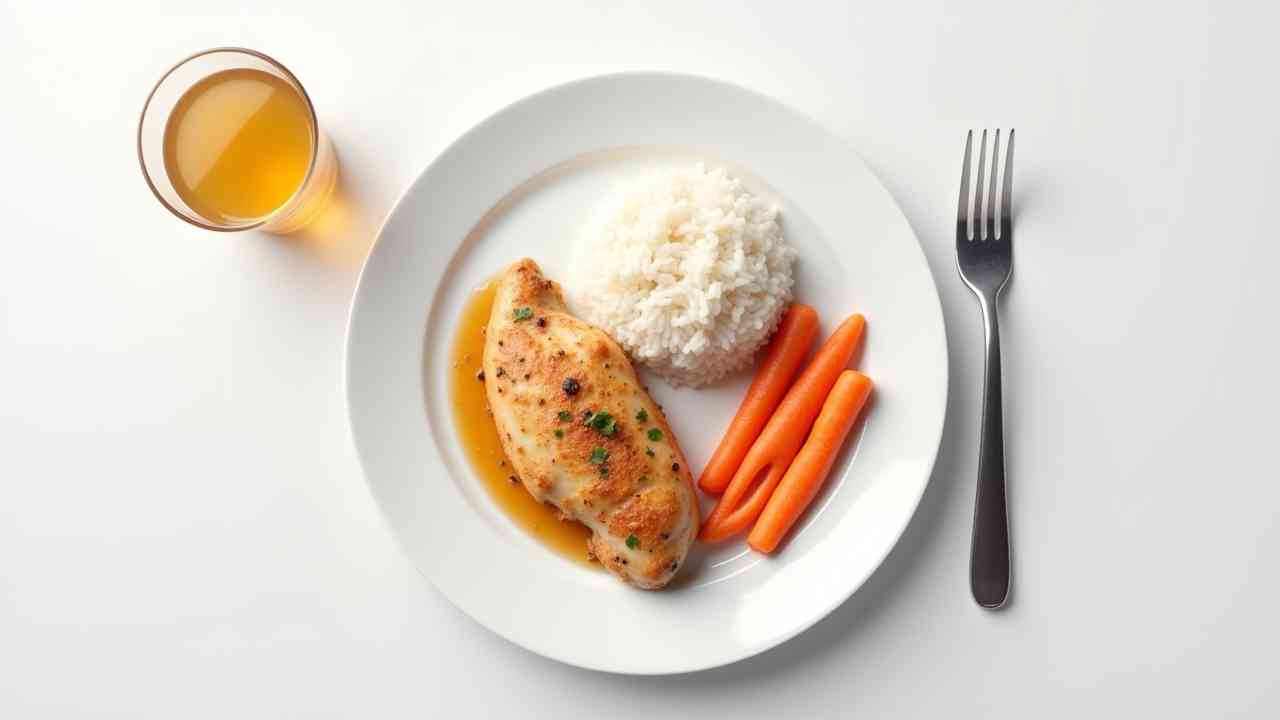
White rice. 🍚
Plain white pasta or noodles.
Refined cereals (Corn Flakes, Rice Krispies, cream of wheat).
Saltine crackers, plain pretzels.
Which Vegetables Are Permitted?
Vegetables must be well-cooked. They must have no skins or seeds. Raw vegetables are strictly forbidden. 🚫 Safe Vegetables:
Canned vegetables (like green beans, carrots, asparagus tips).
Well-cooked carrots (peeled).
Potatoes (peeled, boiled, or baked - no skin).
Strained vegetable juice.
Which Fruits Can You Have?
Fruits follow similar rules. No skins, seeds, or membranes. Choose smooth, processed options. Safe Fruits:
Fruit juice without pulp (apple, grape).
Canned fruits (peaches, pears, applesauce - packed in juice or light syrup).
Ripe bananas (in moderation). 🍌
What Protein Sources Are Best?
Choose tender, lean proteins. Avoid tough, fatty, or fried meats. Eggs are an excellent choice. 🍳 Safe Proteins:
Tender, well-cooked chicken, turkey, or fish (baked, broiled, steamed).
Lean ground meats.
Eggs.
Tofu.
Smooth peanut butter (usually limited to 2 tablespoons/day).
Are Dairy Products Allowed?
This depends on the "residue" part. Milk products leave some residue. Your doctor may limit milk to 2 cups per day. Or they may advise avoiding it. Plain yogurt, cottage cheese, and mild cheeses are often okay in small amounts. Lactose intolerance can make dairy a problem. Always follow your specific instructions.
🚫 What Foods Must Be Avoided Completely?
This list is critical. Eating these foods will defeat the purpose of the diet. It can worsen your symptoms. Avoid all high-fiber and hard-to-digest items. Absolutely Avoid:
Whole wheat or whole grain breads, cereals, pasta.
Brown rice, wild rice, quinoa, barley, oats.
All beans, lentils, peas (legumes).
All nuts and seeds (including those on bread or yogurt). 🥜
Popcorn.
Raw vegetables (salads). 🥗
Cooked vegetables like broccoli, Brussels sprouts, corn, onions.
Fruits with skins or seeds (berries, apples, oranges).
Dried fruits (raisins, prunes).
Tough, fatty, or gristly meats.
Fried foods.
Spicy foods.
Coconut.
💡 What Are Tips for Following This Diet?
This diet is a significant change. It requires careful planning. These tips can help you succeed during this temporary phase. 1. Read Labels Carefully: Look for fiber content. Check for whole grains, seeds, or nuts.
2. Cook Foods Until Tender: Meats and allowed vegetables should be very soft.
3. Focus on Hydration: Drink plenty of clear fluids. Water, broth, and pulp-free juice are good choices. 💧
4. Remember It Is Short-Term: This diet lacks many nutrients. It is not for long-term health. It is only for bowel rest and healing.
🧑⚕️ Transitioning Back to a Normal Diet
Once your doctor says it is okay, you must reintroduce fiber. This must be done slowly and gradually. Adding too much fiber too quickly can cause problems. Your doctor or dietitian will guide you. You will add back foods one at a time. This helps your digestive system readjust. This careful transition is very important. Understanding what is a low fiber low residue diet is key. It is a temporary medical tool. Follow it carefully. You will give your body the rest it needs to heal. ✨