Weight Rack Guide 🏋️ (All Types!)
What is a "Weight Rack"?
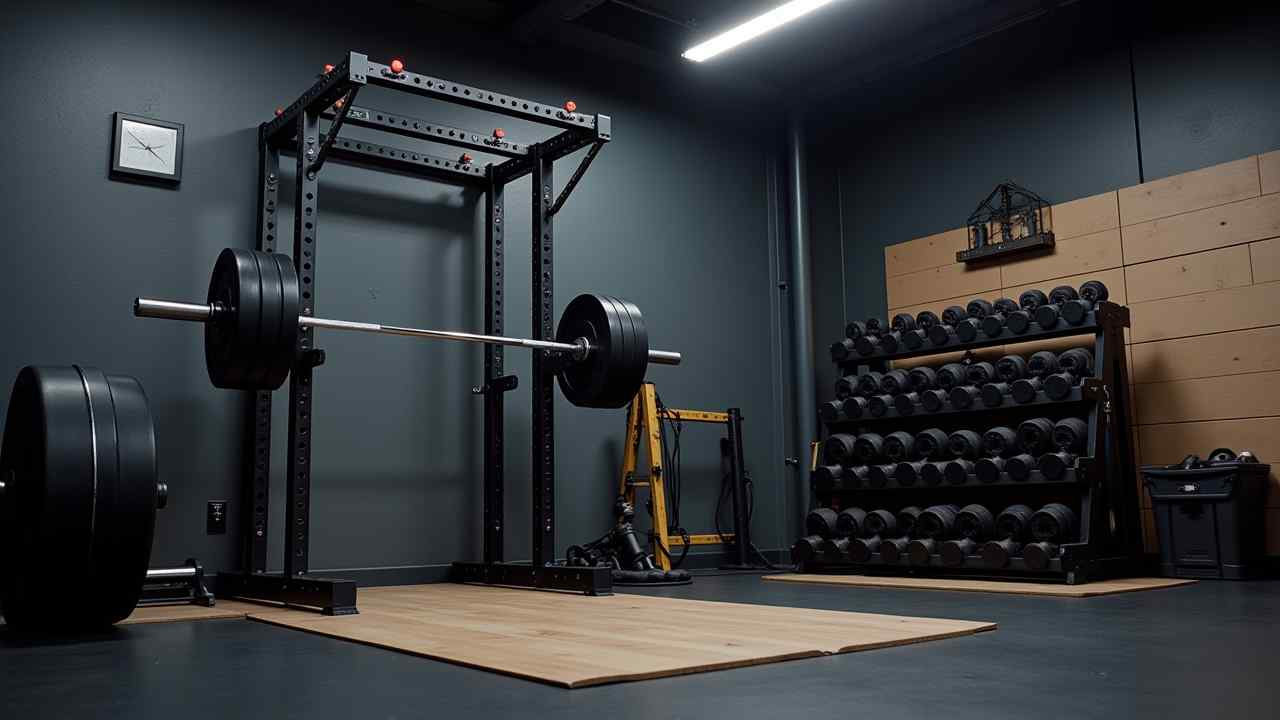
A "weight rack" is a very broad term. It is one of the most common gym items. But it is also very confusing. "Rack" can mean two very different things. They have two opposite jobs. 1. The "Lifting" Rack (Safety): This is the big one. (e.g., a "Power Rack" or "Squat Rack"). ( This is a tool you use during your lift. It is a safety device. It is your "metal spotter." It catches the bar if you fail. 2. The "Storage" Rack (Tidiness): This is the "housekeeping" tool. (e.g., a "Dumbbell Rack" or "Weight Tree"). ( This is a tool you use after your lift. It is an organization tool. It holds your weights off the floor. This guide will explain both types. You need both to be safe and organized. Let's start with the most important one.
Part 1: The "Lifting" Rack (The #1 Safety Tool) 🛡️
This is the most important "rack." If you are building a home gym, this is your #1 buy. If you lift with a barbell, this is essential. Why is it essential? Safety. It is for lifting alone. It is a "spotter" that never gets tired. A "lifting" rack lets you do the "Big 3" lifts:
- The Squat
- The Bench Press
- The Overhead Press
Type 1A: The Power Rack (The "Cage") 🥇
This is the gold standard. This is the #1, safest, best choice. It is a "full cage." It has four (or six) vertical posts. You lift inside the cage. The Key Feature: The Safety Pins 🔑 This is the "magic." The cage has two long, steel bars. (Or "pins," or "safeties"). ( These pins go through the cage. They create a "bottom" for your lift. You must set these pins correctly. The Safety Hack (This is NOT optional): For Bench Press: Lie on your bench inside the cage. Set the safety pins... ...about 1 inch above your chest. This means you can do a full rep. (The bar will touch your chest). ( But if you fail... ...and you "relax" your arch... ...the bar will land on the PINS. Not on your NECK or CHEST. You can then "wiggle" out from under it. 100% safe. This is a lifesaver. For Squats: Squat down to your "bottom" position. (Hips below knees). ( Have a friend set the pins... ...about 1 inch below the bar. This means if you "fail" at the bottom... ...you just set the 300lb bar down. You just rest it on the pins. And you walk away, 100% safe. Pros of a Power Rack:
- 10/10 Safety. (The "cage" contains all failure). (
- Stability. (It is a heavy, steel box. It will not wobble). (
- Versatility. (It always has a pull-up bar). (
- Attachments. (You can add dip bars, lat pulldowns, etc.). (
- Space. It is huge. It has a large "footprint." I
- Price. It is the most expensive option. I
Type 1B: The Squat Rack (The "Stands" or "Half Rack")
This is the "middle" option. It is very popular for home gyms. It is not a full cage. It is "open." It is just two vertical posts. (Not four). ( It has "J-hooks" to hold the bar. And it has "Spotter Arms." These are two shorter safety "pins"... ...that stick out in front of the rack. Pros of a Squat Rack:
- Space-Saver! This is the #1 pro. It is much smaller than a cage. The "open" design feels less "claustrophobic." I
- Cheaper. (Usually). (
- Less Safe. This is the big con. The "open" design is the risk. I
- The spotter arms are shorter. You have less "room for error." Y
- If you fail a squat and fall backward... ...the arms will not catch you. (You are "outside" the rack). (
- Less Stable. It is "lighter." It can "wobble" more... ...when you are re-racking a heavy squat. I
Type 1C: The "Bench Press Station" (The "Widow-Maker") 🚫
This is the DANGER rack. You must be aware of this trap. This is the "all-in-one" bench. The bench is attached to the rack uprights. This is a "fixed" station. The DANGER: It has NO SAFETIES. No pins. No spotter arms. No "catch" system. It is only for lifting with a human spotter. If you fail a rep on this machine... ...while you are alone... ...you are trapped. The bar will be on your neck or chest. This is the #1 cause of "lifting death." People die on these benches. The Rule: Do NOT buy this for a home gym. Ever. Always buy a separate bench... ...and a separate rack (a cage or half-rack).
Part 2: The "Storage" Rack (The "Tidy" Rack) 📦
This is the other "weight rack." It is the "unsung hero" of the gym. It is just as important for safety as the lifting rack. Why? A messy gym is a dangerous gym. A 45lb plate on the floor... ...is a trip hazard. Tripping while holding 100 lbs... ...is how you get a serious injury. A storage rack keeps your floor clear. It keeps you safe. It is professional.
Type 2A: The Dumbbell Rack
This is for your dumbbells. You cannot just pile them in a corner. You will break your toe. Y The "A-Frame" Rack: This is the "home gym" king. It is a vertical, "A-shaped" rack. It is a huge space-saver. It is perfect for a small "hex" dumbbell set. (e.g., 5 lbs to 30 lbs). ( The "3-Tier" Rack: This is the "pro" rack. It is a horizontal "shelf." It holds a full set (5-100 lbs). It is very long. It takes up a lot of space. It is what commercial gyms use. The "Adjustable Dumbbell" Hack: 💡 You can skip this rack! If you buy Adjustable Dumbbells. (e.g., Bowflex or Nbel). ( One "Bowflex" set (with its stand)... ...replaces 15 pairs of dumbbells. And 15 feet of rack space. This is the ultimate home gym "space-saver."
Type 2B: The Weight Plate Rack (The "Weight Tree") 🌲
This is for your "plate weights." (The 45s, 25s, etc.). ( You cannot just "lean" plates on the wall. This is a huge danger. They will fall. They will break your floor. Or your foot. A "Weight Tree" is a vertical stand. It has "horns" or "pegs." You slide the plates onto the pegs. T This is safe. It is organized. It is stable. And it is essential. The "Olympic vs. Standard" Trap: I must repeat this. The pegs on the tree... ...must match the holes in your plates. A 2-inch "Olympic" tree... ...is for 2-inch "Olympic" plates. (This is the one to buy). ( A 1-inch "Standard" tree... ...is for 1-inch "Standard" plates. (The "trap" system). (
Conclusion: The Right Rack for the Right Job
A "weight rack" is a 2-part system. You need both parts for a safe, good gym. Part 1: The "Lifting" Rack (SAFETY) 🛡️ This is your #1, most important purchase. It is your "metal spotter." It is what lets you lift heavy, alone. The Power Rack (Cage) is the 10/10, safest choice. The Squat Stand (Half Rack) is a "space-saver" compromise. The "Fixed Bench Station" is a deathtrap. 🚫 Avoid it. Part 2: The "Storage" Rack (TIDINESS) 📦 This is your "housekeeper." A "Dumbbell Rack" and a "Weight Tree." They keep your floor clear. They prevent "trip-and-fall" injuries. A good home gym needs both types. A "Lifting" rack. And a "Storage" rack. Now you know the difference. Go build your gym. Go get strong. Safely. 🌟