Olympic Weight Bar: The Ultimate Strength Guide 🏋️♂️
What is an Olympic Weight Bar?
An Olympic weight bar is the gold standard for serious lifting 🏋️♂️. It is a piece of strength training equipment used in gyms worldwide. It is designed for durability, high weight capacity, and safety. The bar is a long metal rod. Weight plates are loaded onto each end. This allows for adjustable resistance. The "Olympic" designation is a specific standard. It is not just a brand name. It refers to the bar's precise dimensions and features. These features are crucial for performance. This bar is the foundation of powerlifting, Olympic lifting, and CrossFit.
The Key Specifications of an Olympic Weight Bar
All Olympic bars share a set of standardized dimensions. This ensures compatibility with plates and racks. The most common standard is the Men's 20kg bar.
1. Weight: 20 kg (or 45 lbs)
A standard men's Olympic weight bar weighs 20 kilograms. This is approximately 44 pounds ⚖️. Many gyms in the United States use or refer to 45-pound bars. The difference is small but important for precise lifting. Always check the bar's weight. It is often written on the end cap. This weight is part of your total lift.
2. Length: 7.2 feet
The standard length is 2.2 meters, which is 7.2 feet. This length is crucial. It ensures the bar sits correctly on a power rack or squat stand. It also provides the proper width for a lifter's grip.
3. Sleeve Diameter: 2 Inches (50mm)
This is the most important specification 🔑. The sleeves are the parts where you load the weight plates. Olympic bar sleeves have a diameter of 2 inches (or 50 millimeters). This is why Olympic plates have a 2-inch hole. This standardized size ensures a snug, stable fit. It prevents plates from wobbling during a lift. This contrasts with "standard" bars. Standard bars have 1-inch sleeves and are much weaker.
4. Shaft Diameter: 28-29mm
The shaft is the part you grip. Its diameter is typically 28mm or 29mm. A 28mm shaft offers more "whip" (flexibility). This is ideal for Olympic lifts like the clean and jerk. A 29mm shaft is stiffer. It is preferred for powerlifting (squat, bench, deadlift).
The Most Important Feature: Rotating Sleeves
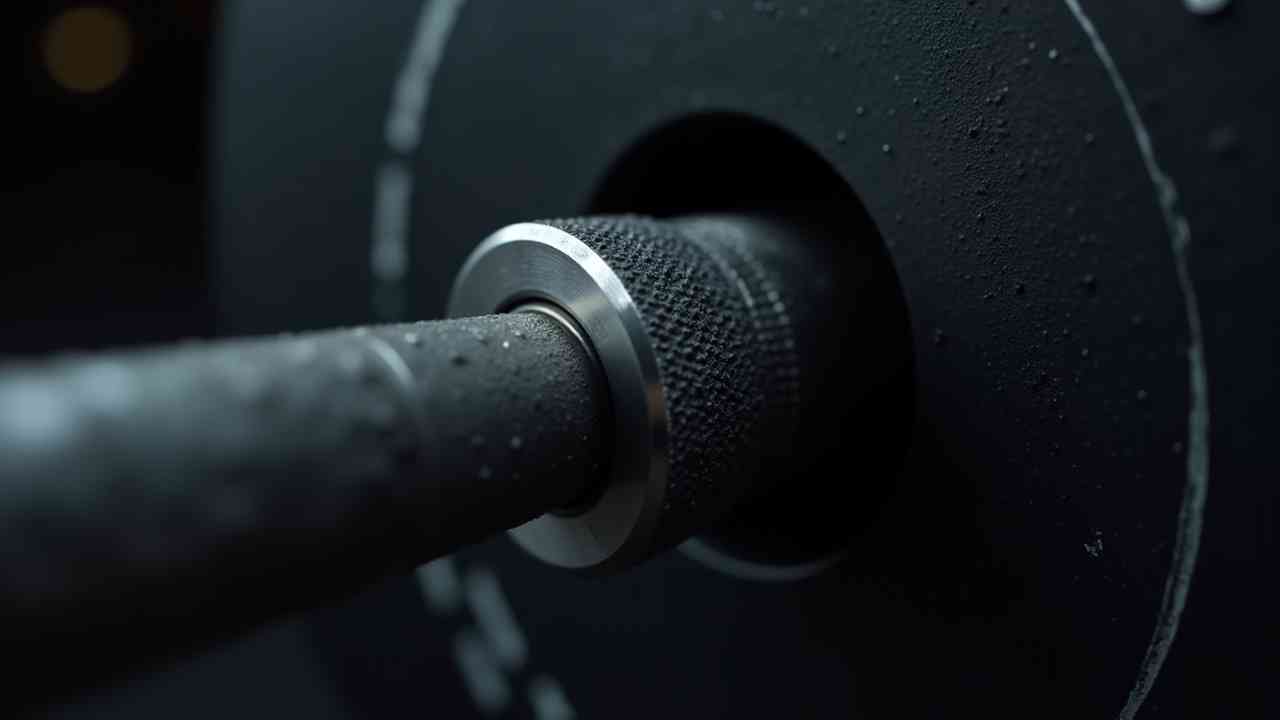
The single most important feature of an Olympic weight bar is its rotating sleeves. The sleeves (where the plates sit) spin independently of the bar's shaft 🔄. This rotation is not a gimmick; it is a critical safety feature.
Why Do Sleeves Rotate?
The rotation eliminates rotational inertia, or torque. Imagine performing a clean and jerk. You must rapidly pull the bar from the floor to your shoulders. As the bar moves, the weight plates naturally spin. If the sleeves did not rotate, that spinning force would transfer to your hands. This would rip the bar from your grip. It would also place extreme stress on your wrists and elbows wrists ⚠️. The rotating sleeves allow the plates to spin freely. Your grip on the shaft remains stable. This is essential for safety and performance in dynamic lifts.
Bearings vs. Bushings
The quality of the spin is determined by the mechanism inside the sleeve. There are two main types: Bearings (Needle Bearings): These provide an extremely smooth, fast, and multi-directional spin. This is the gold standard for Olympic weightlifting bars. The fast spin is needed for the snatch and clean and jerk. Bushings (Bronze or Composite): These are low-friction rings. They provide a slower, more controlled spin. This is ideal for powerlifting bars. You do not want a fast spin during a slow, heavy squat or bench press. Bushing bars are durable and generally less expensive.
Understanding Knurling
The rough, cross-hatched texture on the bar's shaft is called knurling. This texture is designed to increase friction. It provides a secure grip for your hands ✋. It also helps the bar "stick" to your back during squats.
Knurl Marks and Patterns
The knurling is not random. It has specific markings (smooth rings) on the shaft. These rings are standardized. They tell you where to place your hands for competition lifts. This ensures a consistent grip width. Powerlifting bars have a "center knurl." This is a patch of rough texture in the middle of the bar. It helps grip the lifter's back during a squat. Olympic lifting bars do not have a center knurl. This is to prevent scraping the lifter's neck during the clean. The knurling itself can be "passive" (less deep) or "aggressive" (sharp). Aggressive knurling is preferred by powerlifters for a maximum deadlift grip.
Types of Specialty Olympic Weight Bars
While the 20kg bar is standard, many other bars use the 2-inch Olympic sleeve. These specialty bars are designed to target muscles differently or reduce joint strain.
1. The Trap Bar (Hex Bar)
This is a hexagonal-shaped bar that the lifter stands inside. It has two neutral-grip handles. The trap bar is used almost exclusively for deadlifts. It places the center of gravity in line with your body. This significantly reduces stress on the lower back (lumbar spine) 🛡️. It is a safer alternative for many people.
2. The EZ Curl Bar
This is a shorter, lighter bar with a W-shaped shaft. The bends in the bar allow for a more natural, semi-supinated grip. This reduces strain on the wrists and elbows. It is used for isolation exercises. This includes bicep curls and tricep extensions.
3. The Safety Squat Bar (SSB)
This bar has a padded yoke that rests on the shoulders. It also has two handles that come forward. This allows you to support the bar without holding your hands back. It is excellent for people with shoulder or wrist injuries. It also forces a more upright squat position, targeting the quads.
4. Women's 15kg Bar
There is also a standard women's Olympic bar. It weighs 15 kg (33 lbs). It has a thinner shaft diameter (25mm). This thinner grip is better suited for smaller hands. It is the official standard for women in competitive weightlifting.
How to Choose Your Olympic Weight Bar
Choosing a bar for your home gym depends on your goals and budget.
For General Fitness / Home Gym
Look for a good "all-around" bar. A bar with bushings and dual knurl marks is perfect. It will be durable enough for squats and deadlifts. It will also have enough spin for occasional power cleans. A 45lb / 20kg bar is the standard.
For Serious Powerlifting
You need a dedicated power bar. Look for a 29mm shaft and a center knurl. It must be very stiff (high tensile strength). The spin should be slow and controlled (bushings). This bar is built for maximum weight 🏋️♀️.
For Olympic Lifting (Oly)
You need a true Oly bar. This bar must have a 28mm shaft for good "whip." Most importantly, it must have high-quality needle bearings. The spin must be fast, smooth, and durable. These are often the most expensive bars.
Conclusion: The Foundation of Strength
The Olympic weight bar is the most essential tool in strength training. Its 45lb weight, 7.2ft length, and 2-inch rotating sleeves are standardized for a reason. These features ensure safety, compatibility, and high performance. Understanding the difference between bushings and bearings helps you select the right bar for your goals. Whether you are a powerlifter or a beginner, the Olympic bar is your foundation for building real strength 🌟.