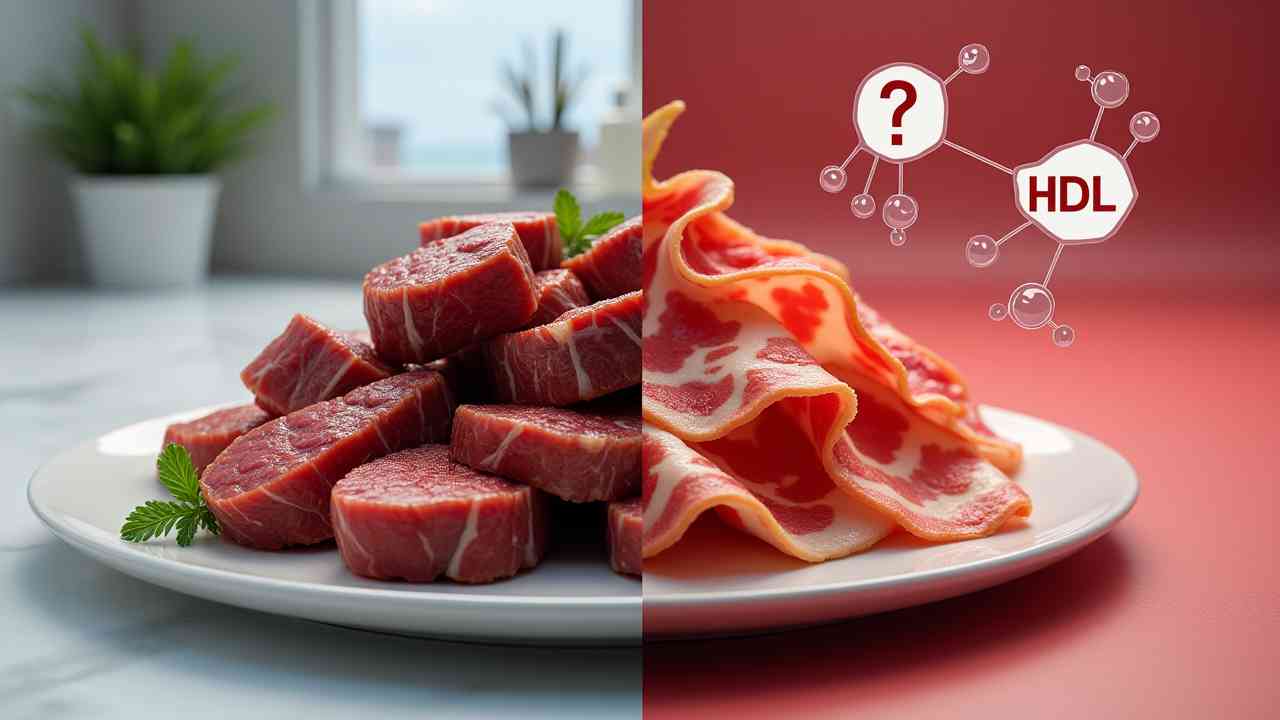
🥩 Carnivore Diet and Cholesterol: What Does the Science Say?
The Carnivore Diet is gaining attention. It involves eating only animal products. This means lots of meat, fat, and eggs. A major question arises: What about Carnivore Diet and cholesterol levels? This diet is naturally high in saturated fat. It is also high in dietary cholesterol. Many worry this could harm heart health. This concern is valid based on traditional advice. But the relationship between the Carnivore Diet and cholesterol is complex. It is not as simple as "high fat equals high cholesterol.\" Let's explore the nuances and the science. 🔬
🤔 What Is Cholesterol and Why Does It Matter?
Cholesterol is a waxy substance. Your body needs it to build cells. It also makes vitamins and hormones. Your liver produces most of the cholesterol you need. Cholesterol travels in your blood via lipoproteins. The main types are LDL and HDL. LDL is often called \"bad\" cholesterol. High levels are linked to heart disease risk. HDL is called \"good\" cholesterol. It helps remove excess cholesterol. Triglycerides are another type of fat in your blood. Understanding your full lipid panel is key when discussing the Carnivore Diet and cholesterol.
🥩 How Does the Carnivore Diet Typically Affect Cholesterol?
The Carnivore Diet eliminates plants. This means high intakes of meat, fat, and eggs. These foods contain saturated fat and dietary cholesterol. So, how does this affect blood lipids? Many people starting this diet see changes. These changes vary greatly between individuals. There is no single universal response regarding the Carnivore Diet and cholesterol. Some see dramatic increases in LDL. Others see little change. Some even report improvements in HDL and triglycerides. This variability makes the topic highly debated. It highlights the role of individual biology.
Can LDL Cholesterol Increase Significantly?
Yes. This is a common observation for some people. A significant rise in LDL cholesterol is possible. This is often the biggest concern doctors have. High LDL is a known risk factor for heart disease. This increase worries many followers and physicians. It seems to contradict the diet's health claims. Understanding why LDL might rise is important. This is a key part of the Carnivore Diet and cholesterol discussion.
What About HDL and Triglycerides?
Many people report positive changes here. HDL (\"good\") cholesterol often increases. Triglyceride levels frequently decrease significantly. 🔥 Low triglycerides and high HDL are positive signs. They are generally linked to better metabolic health. This complicates the picture. Is high LDL bad if other markers improve? This is a central question.
💡 What Are \"Lean Mass Hyper-Responders\"?
This is a specific pattern observed in some people. It is often seen on low-carb or ketogenic diets. The Carnivore Diet and cholesterol conversation often includes this group. Lean Mass Hyper-Responders (LMHR) are typically lean and active. They experience a triad: very high LDL, very high HDL, and very low triglycerides. Their LDL levels can sometimes seem alarming. The significance of this pattern is still debated. Some researchers suggest it might be a benign adaptation. Others remain cautious due to the high LDL. More research is needed on the LMHR profile.
🔬 Does Dietary Cholesterol Impact Blood Cholesterol?
This is another complex area. For decades, we were told to limit dietary cholesterol. (Found in eggs, shellfish, etc.). The idea was it directly raised blood cholesterol. However, current science shows a weaker link. For most people, dietary cholesterol has little impact. Your liver adjusts its own production based on intake. Saturated fat intake seems to have a larger effect on blood LDL for many. This understanding influences the Carnivore Diet and cholesterol debate. The high cholesterol in eggs might not be the main driver. The high saturated fat content is likely more significant for LDL changes.
⚠️ What Are the Potential Risks and Unknowns?
The link between the Carnivore Diet and cholesterol requires caution. While some markers might improve, high LDL remains a concern. We lack long-term data on this diet. Heart disease is complex. LDL is just one risk factor. Inflammation, blood pressure, and genetics also play huge roles. We do not fully understand how the Carnivore Diet impacts overall long-term risk. Relying only on anecdotal reports is risky. Individual results vary dramatically. What works for one person might be harmful for another. This is especially true regarding the Carnivore Diet and cholesterol.
🧑⚕️ Why Is Medical Supervision Crucial?
If you try the Carnivore Diet, see a doctor. This is non-negotiable. You must monitor your health markers. This includes your lipid panel. Work with a doctor knowledgeable about low-carb diets. They can interpret your results correctly. They might order advanced lipid tests. These tests look at LDL particle size and number (LDL-P). Do not self-manage potential health risks. Regular blood work and medical guidance are essential. This is the only safe way to explore the Carnivore Diet and cholesterol effects on your body. Your health is the top priority. ✨