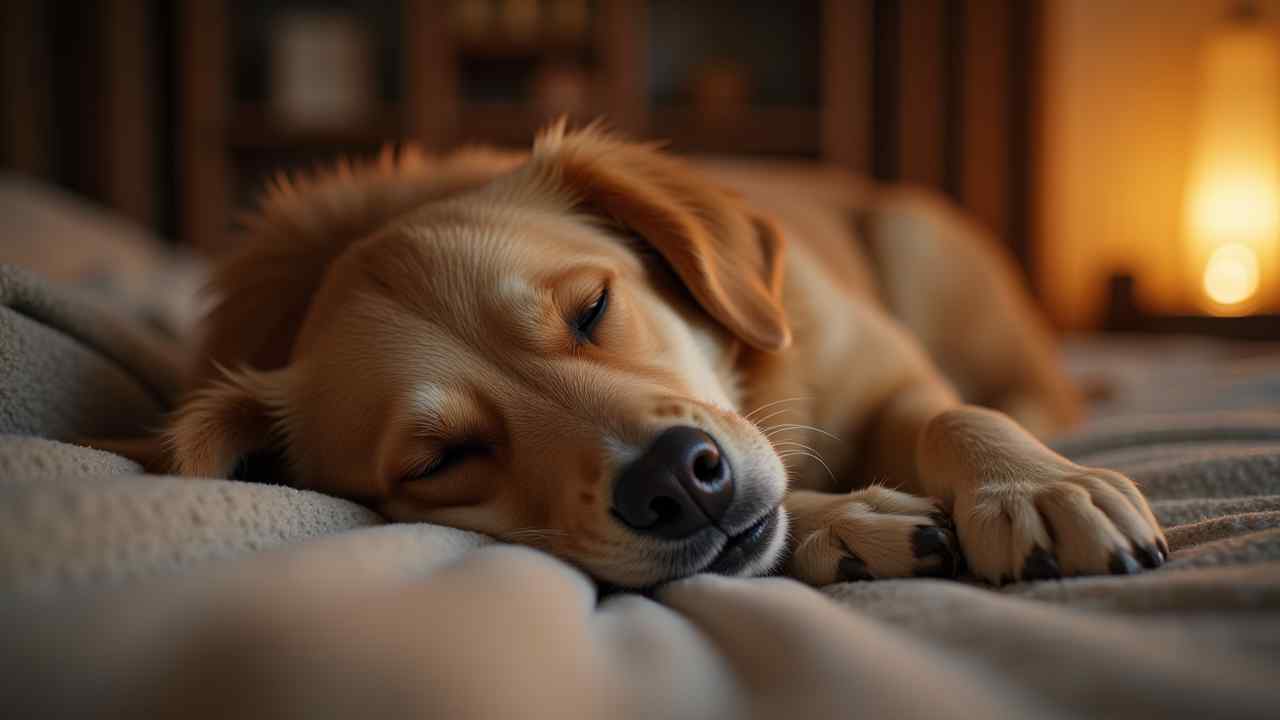
🐾 Why is Your Dog Shaking While Sleeping? (A Guide to Doggy Dreams)
🐾 Why is Your Dog Shaking While Sleeping? (A Guide to Doggy Dreams) 🐾
It is a common sight for any dog owner. Your beloved canine companion is curled up, fast asleep. Suddenly, their legs start to paddle. Their lips quiver, and they let out a tiny, muffled yip. Their whole body might twitch or shake. It can look alarming if you are not expecting it.
This often leads to a worried question: why is my dog shaking while sleeping? Is there something wrong? The great news is that, in the vast majority of cases, this is a completely normal and healthy behavior. In fact, it is a sign of a happy, relaxed dog.
This guide will explain the most common reason for this twitching. We will also show you how to tell the difference between a normal dream and a more serious medical issue. Let's put your mind at ease. ✅
💭 What is the Most Common Reason for a Dog Shaking in Their Sleep?
The number one reason is simple and adorable: They are dreaming! Just like humans, dogs go through different stages of sleep. This includes REM (Rapid Eye Movement) sleep. REM sleep is the deep, restorative stage where the most vivid dreaming occurs.
During this phase, their brain is very active. The shaking, twitching, and little noises are the physical manifestations of what is happening in their dream. They are likely acting out their dream activities. Here are the common signs of a dreaming dog:
- Twitching paws or paddling legs, as if they are running.
- Fluttering eyelids.
- Muffled barks, whimpers, or yips.
- A wagging or twitching tail.
- Quivering lips or cheeks.
When you see your dog shaking while sleeping in this way, it is a sign they are in a deep, restful sleep. They are probably having a wonderful time chasing squirrels or playing fetch in their dream world.
Should You Wake Up a Dreaming Dog?
The classic advice is "let sleeping dogs lie." It is generally best not to wake a dog who is actively dreaming. Waking them suddenly from a deep sleep can be very disorienting and startling. A confused, startled dog might even snap instinctively before they are fully awake.
If you are truly concerned that they are having a nightmare and you feel you must intervene, it is safest to do so gently. Try calling their name softly from a distance. Avoid touching them abruptly.
⚠️ How Can You Tell the Difference Between a Dream and a Seizure?
This is the most important distinction for any pet owner to know. While they can look similar at a glance, a dream and a seizure are very different. Knowing the signs of a seizure is crucial for your dog's safety.
During a dream, the movements are usually soft and sporadic. The shaking is more like a twitch or a tremble. A dreaming dog can be easily woken up by a loud noise or a gentle touch.
During a seizure, the body is very different. The movements are typically violent and rhythmic convulsions. The dog's body will often become very stiff and rigid. They will be unresponsive and cannot be woken up. They may also lose control of their bladder or bowels. After a seizure, a dog is usually very disoriented and confused.
If you ever suspect your dog is having a seizure, stay calm. Move any furniture away from them to prevent injury. Contact your veterinarian or an emergency vet clinic immediately.
For the most part, seeing your dog shaking while sleeping is a joy. It is a little window into their active dream life. It is a sign they feel safe, secure, and happy in their home with you. 😴