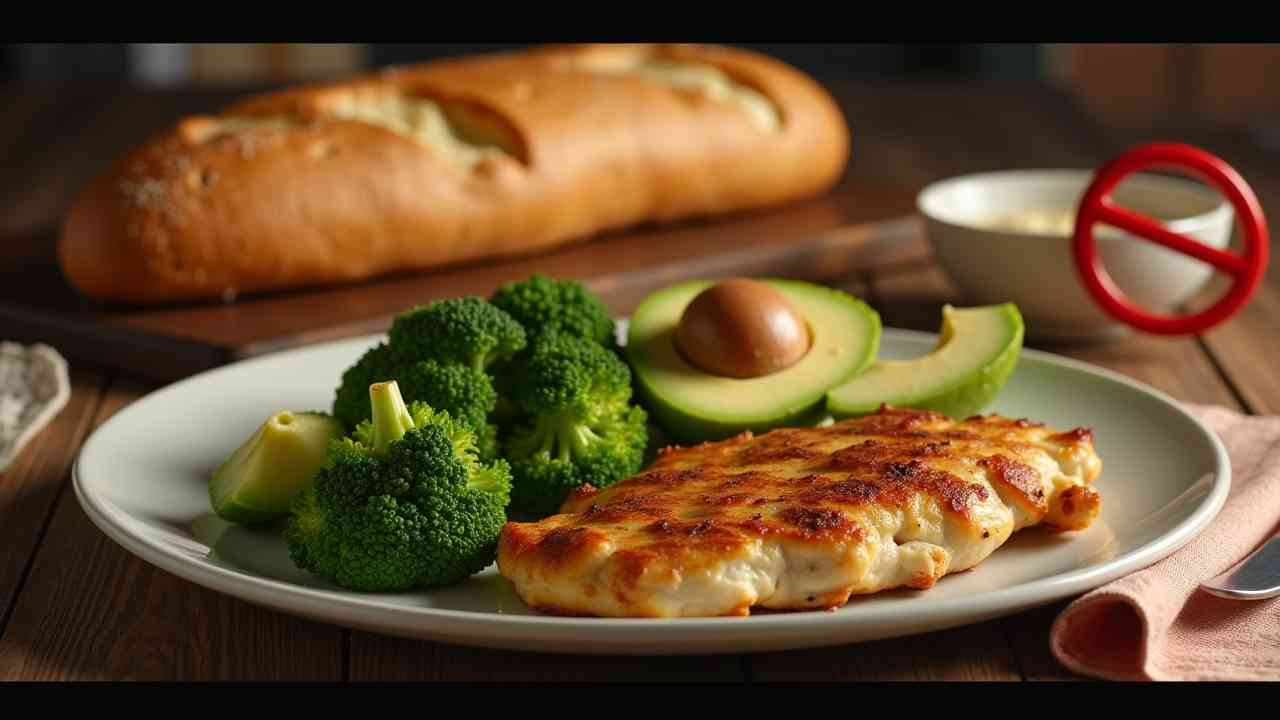
What is a Grain Free Diet? Health Benefits and Food List 🍞❌
Defining the Grain Free Diet Exclusion and Purpose
A Grain Free Diet is an eating plan that completely eliminates all cereal grains. Grains are defined as the seeds of grasses, such as wheat, rice, corn, barley, and oats ❌. This dietary choice is often adopted for specific health reasons, including managing allergies or reducing systemic inflammation.
Purpose: Allergy and Inflammation Reduction
The diet is primarily used to manage Celiac Disease and Non-Celiac Gluten Sensitivity. It is also frequently adopted by those following Paleo or Carnivore principles. The goal is removing inflammatory compounds like gluten and certain lectins that can irritate the gut lining 🧠.
The Strict Food Exclusion List
Adherence to a grain free diet requires careful scrutiny of all food labels. Grains are hidden in many processed foods as thickeners or fillers.
Grains and Their Derivatives
Forbidden Grains: Wheat, barley, rye, oats, corn, rice (white and brown), and millet. This includes all products made from these grains 🚫. Pasta, bread, crackers, and traditional cereals are all non-compliant.
Hidden Grain Sources
Avoid foods containing malt (derived from barley), certain vinegars, and beer. Check all sauces, soups, and processed meats for wheat flour or cornstarch used as thickeners.
The Allowed Food List (The Foundation)
The grain free diet is highly nutrient dense. It is built upon five foundational food groups that provide complete nutrition without grains.
1. All Animal Proteins
Meat, poultry, fish, and eggs are the foundation of this diet 🥩. They provide highly bioavailable, complete protein. Focus on wild-caught fish for essential Omega-3 fatty acids 🐟. All compliant dairy (milk, cheese, yogurt) is allowed, provided there is no lactose intolerance.
2. Non-Starchy Vegetables
All non-starchy vegetables (broccoli, spinach, kale, cauliflower) are encouraged. They provide essential fiber, vitamins, and minerals 🥦. Starchy tubers like sweet potatoes and yams are usually allowed (as they are not true grains) but should be limited for low-carb goals.
3. Fruits, Nuts, and Seeds
All fresh fruits (apples, berries, citrus) and natural nuts/seeds (almonds, walnuts) are compliant. These provide healthy fats and fiber. Legumes (beans, lentils) are technically not grains, but are often excluded by Paleo diets due to lectins 🥜.
The Best Grain-Free Substitutes
Successfully adhering to the diet means finding alternatives for staple grain products like flour and pasta. These swaps allow for flexibility in cooking.
Flour and Pasta Swaps
Replace wheat flour with almond flour, coconut flour, or tapioca flour 🥥. Use zucchini noodles (zoodles) or spaghetti squash as a substitute for pasta. Cauliflower rice is the best low-carb replacement for rice 💡.
Conclusion: A Focus on Whole, Unprocessed Foods
The Grain Free Diet requires eliminating all products derived from wheat, barley, rye, corn, and oats. It is an effective diet for reducing inflammation and managing allergies. Focus on whole proteins, vegetables, and compliant flours for success 🌟.