What Are the Problems with Sleep Number Beds? The Top 5 Issues 🛌❌
The Foundational Concept How Sleep Number Works
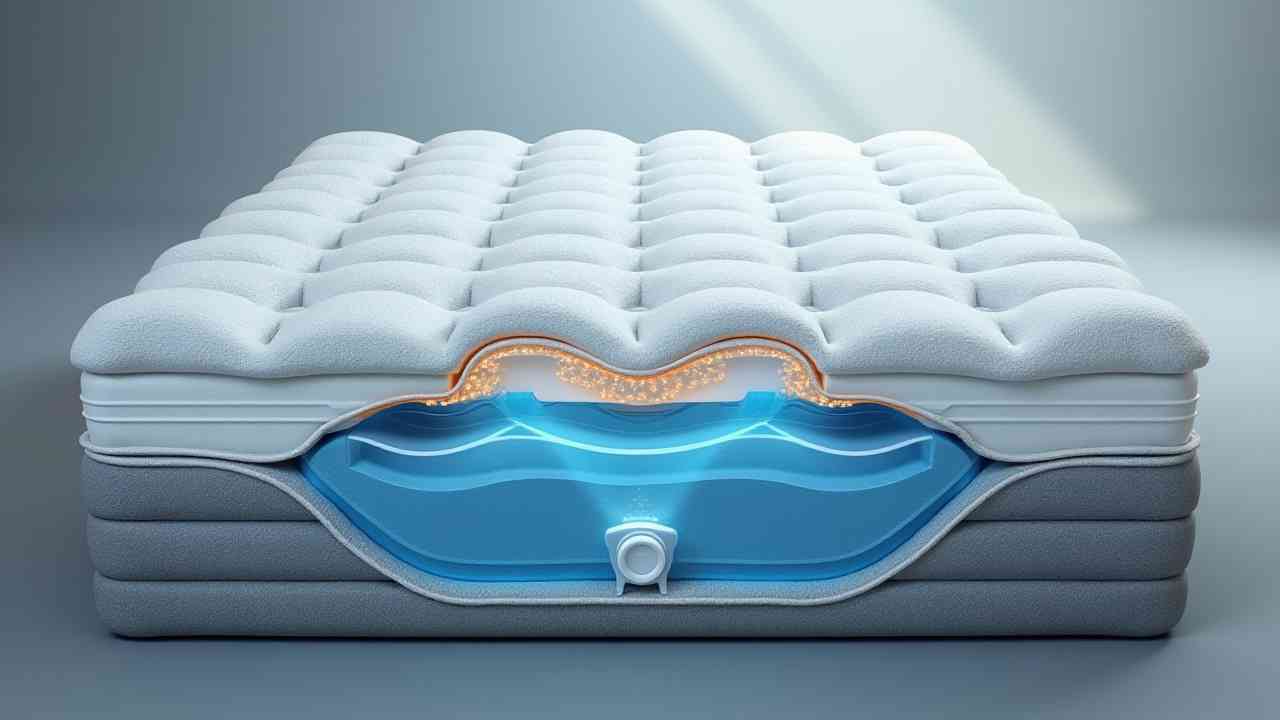
Sleep Number beds are a line of mattresses featuring adjustable firmness. This adjustment is achieved using internal air chambers. Users select a firmness level—the Sleep Number—via a remote or app. The internal air pump then inflates or deflates the chambers to that desired setting 🧠. This technology offers customized support for different sleeping positions.
The Problem with Complexity
The core issue with Sleep Number beds is the complexity of their mechanical system. Traditional mattresses (innerspring or foam) have no moving parts. The air chambers, pump, hoses, and electronic controls all introduce potential failure points ⚠️. These points often lead to common, long-term consumer complaints.
Top 5 Problems and Common Complaints
Consumer reports and long-term user feedback consistently point to five major issues with Sleep Number technology. These problems significantly impact the user experience and the bed's longevity.
1. Durability Issues Air Leaks
Air leaks are the most frequent and frustrating complaint. Over time, the air chambers or the connecting hoses can develop slow leaks. This causes the bed to gradually deflate throughout the night 📉. The user wakes up feeling unsupported, having to constantly re-adjust the bed. Repairing or replacing the failed air bladder or pump can be costly and inconvenient.
2. High Price and Warranty Limitations
Sleep Number mattresses command a premium price compared to similar quality foam or hybrid mattresses. The warranty can be misleading. While long (often 20-25 years), the prorated nature of the warranty means that after a few years, the consumer bears a significant percentage of the cost of replacement parts. This high cost often doesn't align with the actual service life of the air components 💰.
3. Temperature Control and Heat Retention
Many users report that the foam and synthetic materials surrounding the air chambers retain heat. The mattresses can feel too hot for comfortable sleep, especially in warmer climates 🔥. The lack of air circulation through dense foam materials is the primary culprit, leading to night sweats and disrupted sleep.
4. Noise from the Pump
The loud, mechanical noise from the air pump can be disruptive. The pump automatically engages throughout the night to adjust the pressure or compensate for slow leaks. This sudden whirring noise can interrupt light sleepers 👂. The pump is typically housed under the bed, but the noise travels easily into a quiet bedroom environment.
5. The Valley Effect (Center Support)
The bed contains two separate air chambers for dual side adjustability. Some couples report a "valley" forming in the center of the bed. This happens because the mattress materials where the two chambers meet offer less support. This forces the two sleepers to roll inward toward the gap, regardless of their preferred Sleep Number setting 🛋️.
Alternative Solutions and Buyer Beware
Before purchasing a Sleep Number bed, consider the potential long-term maintenance and comfort trade-offs. The high cost reflects complex technology that may fail.
Long-Term Comfort and Trial
Use the sleep trial period to test the mattress thoroughly. Monitor the bed's temperature and listen for pump noise carefully. Consider alternative mattresses, such as high-quality memory foam or latex. These offer firm, durable support without the risk of mechanical failure 💡.
Conclusion: Weighing Tech Against Durability
Sleep Number beds offer unparalleled adjustable firmness, but they are prone to mechanical failure. The main problems are persistent air leaks, high cost of parts, and pump noise. Weigh the benefits of adjustability against the potential for long-term durability issues 🌟.