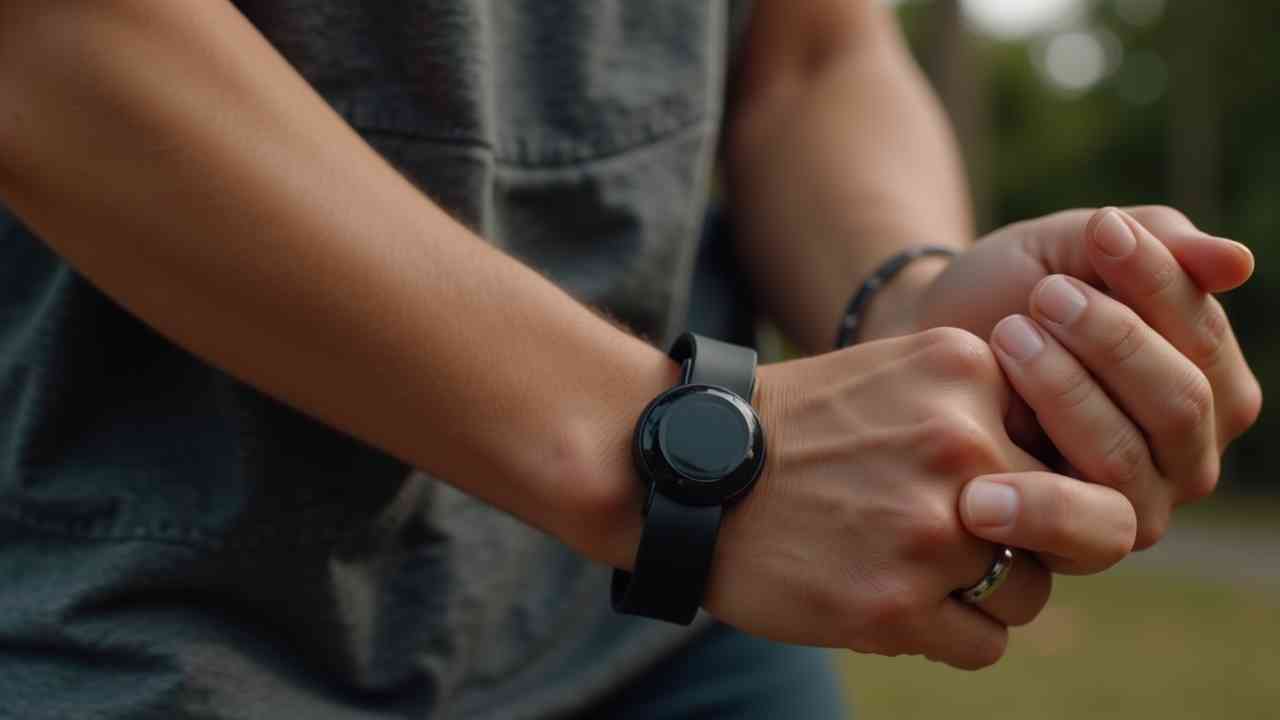
Weighted Bracelets: A Guide to Wearable Resistance 💪⌚️
What Are Weighted Bracelets and How Do They Work?
Weighted bracelets are small, wearable weights designed to be worn around the wrists or ankles. They are an evolution of traditional wrist weights, often featuring sleek, segmented, and adjustable designs. These bracelets add subtle, consistent resistance to daily movements and light exercise routines. They are a popular tool for incorporating passive fitness into a busy schedule 💡.
The Principle of Low-Impact Resistance
The primary function of weighted bracelets is to provide progressive overload at a low intensity. By adding a small amount of extra weight (typically 1 to 3 pounds per bracelet), the muscles must work harder to perform everyday tasks. This increased effort enhances energy expenditure and muscle engagement effectively. They are perfect for movements where heavy weights aren't feasible, such as during walking or light aerobics.
The Key Benefits of Using Weighted Bracelets
Incorporating wearable weights into your routine offers distinct advantages over standard unweighted activity. These benefits impact both calorie burn and muscular endurance.
1. Boosting Calorie Expenditure
Wearing weights increases the Total Daily Energy Expenditure (TDEE). The body requires more energy to move the added mass throughout the day. Studies show that this subtle increase in resistance significantly raises the overall calorie burn during activities like walking or housework 🔥. This small, continuous effort helps maintain a caloric deficit for weight loss.
2. Enhancing Muscular Endurance
The added resistance, though small, forces the stabilizer muscles to engage more intensely. When performing exercises like lateral raises or simple arm circles, the bracelets increase the time under tension. This resistance builds muscular endurance and improves the tone and definition in the arms and shoulders 💪.
3. Improving Balance and Coordination
The constant, low-level weight challenges the body's proprioception (sense of self-movement and body position). This forced adjustment can improve overall balance and coordination over time. This is beneficial for seniors or those rehabilitating from minor injuries 🧠.
Safety and Usage Guidelines for Wearable Weights
While weighted bracelets are low-impact, they must be used carefully to prevent strain and injury. The weight limit is crucial for long-term joint health ⚠️.
The Weight Limit Warning
The total weight should be kept low (typically 1-3 pounds per wrist). Using weights that are too heavy for repetitive movements can place excessive strain on the wrist, elbow, and shoulder joints. This risks tendonitis or rotator cuff injury. Weighted bracelets are best suited for slow, controlled movements.
Best Activities for Wear
Weighted bracelets are ideal for low-impact cardio such as walking, cycling, or elliptical use. They are also effective for bodyweight routines like Pilates, yoga, or basic calisthenics. Avoid wearing them during high-impact activities (sprinting, jumping) or repetitive actions like throwing ⚾.
Conclusion: Subtle Resistance for Daily Fitness
Weighted bracelets are a safe and effective tool for adding subtle resistance to your daily life and light workouts. They boost calorie burn and enhance muscular endurance in the arms and shoulders. Always choose a low weight (1-3 lbs) and prioritize proper form to protect your joints 🌟.