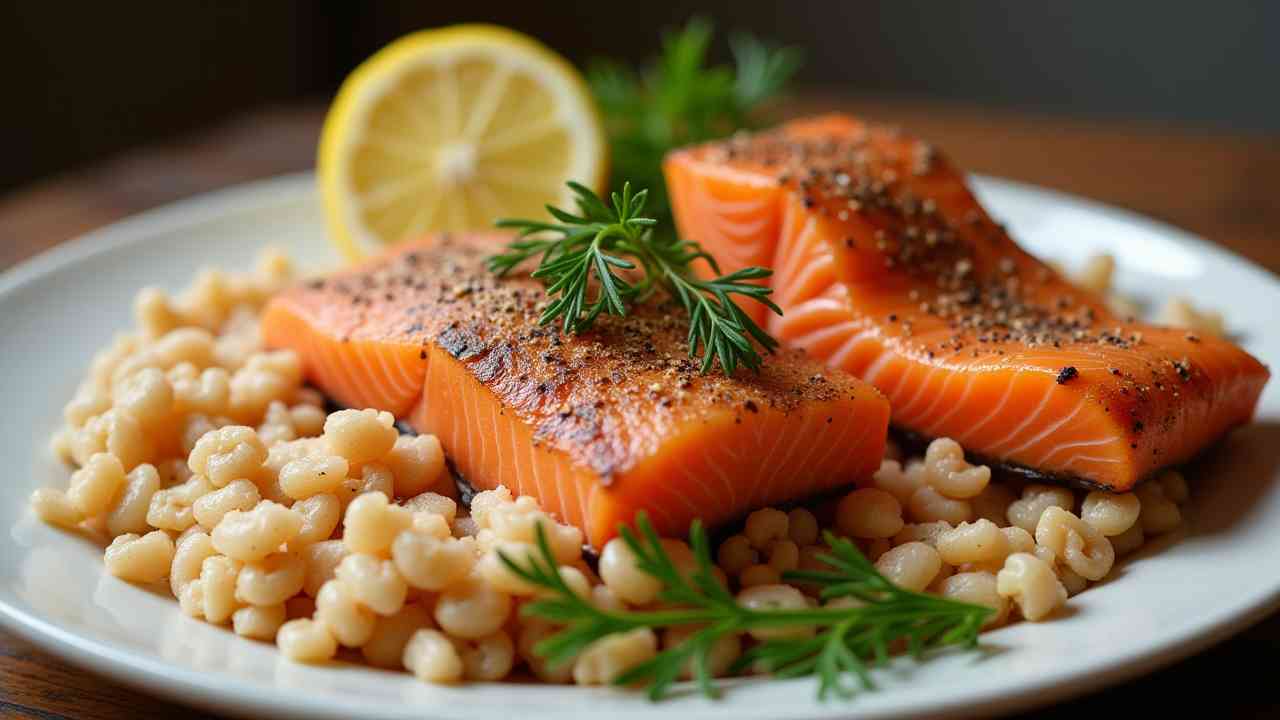
Vegan Fish: The Best Plant-Based Seafood Alternatives 🌱🐟
Defining Vegan Fish The Art of Replication
Vegan fish, or plant-based seafood, refers to products designed to mimic the taste, texture, and nutritional profile of traditional fish and shellfish. This category has grown rapidly, offering alternatives for everything from tuna to salmon fillets. The goal is to provide a sustainable, cruelty-free alternative to marine products 🐟🌱.
The Need for Replication
Traditional fish offers two key characteristics that substitutes must replicate. These are the flaky, fibrous texture and the distinct umami flavor (the savory taste). Successful vegan fish achieves this through innovative use of plant extracts and processing techniques 🧪.
The Primary Plant-Based Bases
The base material chosen dictates the final product's texture and application. Different plants are used to mimic different types of seafood (e.g., flaky white fish vs. dense tuna).
1. Soy and Pea Protein (The Flaky Base)
Soy protein (often as Textured Vegetable Protein or TVP) and pea protein are the most common bases. These proteins are highly fibrous. They are processed to create the flaky texture necessary for fish sticks, fish filets, and canned tuna alternatives. These bases provide a high amount of complete protein 💪.
2. Konjac Root (The Prawn/Scallop Base)
Konjac root (also known as glucomannan) is used to create vegan shrimp, calamari, and scallop substitutes 🍤. Konjac has a firm, gelatinous texture that is easily molded. It is almost entirely fiber and water. This makes it a near-zero calorie base that mimics shellfish texture effectively.
3. Seaweed and Algae (The Flavor Key)
The essential "ocean flavor" is achieved by incorporating seaweed, kelp, or marine algae. These ingredients provide the characteristic umami, iodine, and salty notes of the sea. Kelp powder is a common additive for flavoring the protein base 🌊.
Nutritional Profile and Health Benefits
Vegan fish products offer significant health advantages over some traditional seafood, particularly concerning contaminants.
Zero Cholesterol and Low Saturated Fat
Plant-based fish is completely cholesterol free ❌. It is generally lower in saturated fat than red meat. This makes it a heart-healthier protein alternative. It often provides a good source of dietary fiber, which is absent in animal-based fish.
Omega-3 Supplementation is Crucial
A key difference is the Omega-3 content. Traditional fish provides EPA and DHA. Vegan fish must be fortified with marine algae oil to include these essential Omega-3s 🧠. Algae oil is the only non-animal source of these crucial brain and heart nutrients.
Best Usage and Preparation Hacks
Vegan fish products are highly versatile. The best preparation methods minimize added oils and maximize flavor absorption.
Tuna and Fillets
Use plant-based tuna flakes in salads or sandwiches, dressed with vegan mayonnaise or olive oil. Fillets (made from soy or wheat) should be baked or pan-fried in olive oil until the texture is firm and the edges are crispy. Season with dill and lemon to enhance the fish flavor 💡.
Shellfish Alternatives
Cook konjac-based shrimp or calamari quickly in a hot pan. Avoid overcooking, which can make the texture rubbery ⚠️. Serve them with a cocktail sauce for a classic appetizer.
Conclusion: Sustainable and Nutritious
Vegan fish is made from plant proteins, konjac, and seaweed. It offers a cholesterol-free, high-protein, and sustainable alternative to traditional seafood. Choose fortified products with algae oil for essential Omega-3s 🌟.