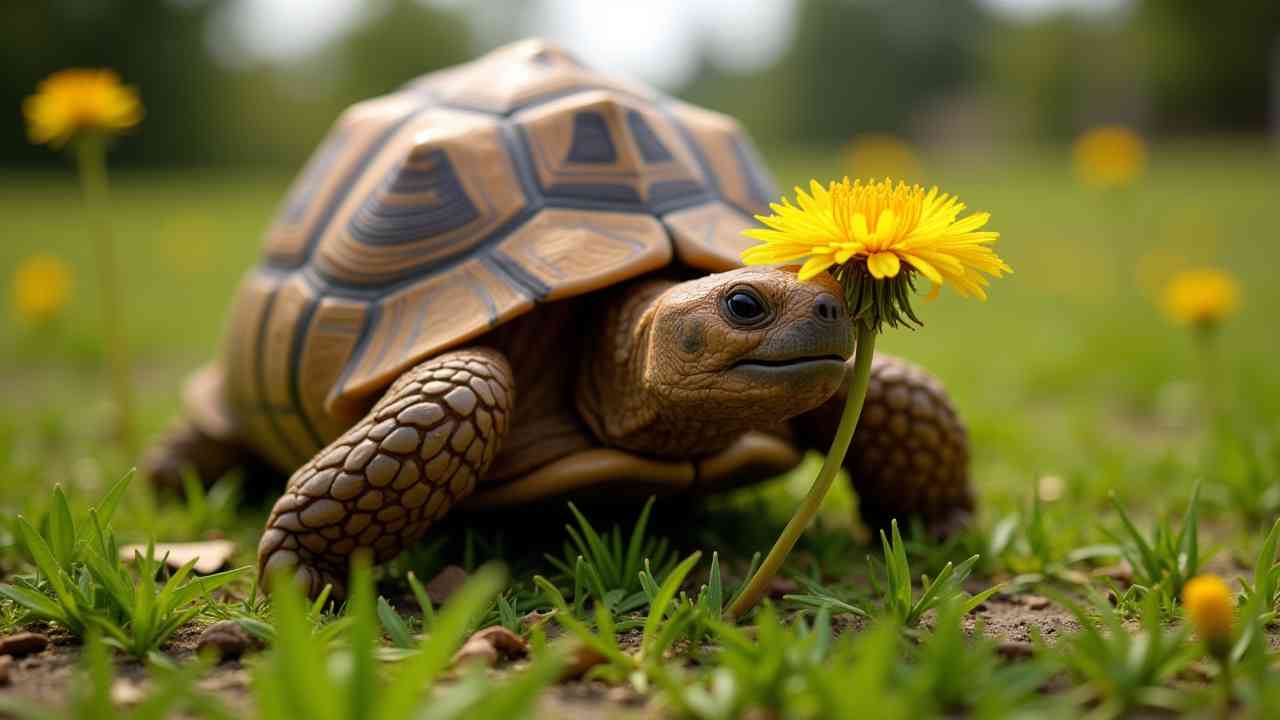
Tortoise Diet: The Ultimate Guide 🐢🌿
What is a Tortoise Diet?
A tortoise diet is a complex topic. 🐢 It is not one single food list. It is the most misunderstood part of tortoise care. This is a guide to the basics. It will help you. A tortoise diet is a species-specific plan. This is the most important concept. 🔑 The diet depends 100% on the type of tortoise you have. Feeding the wrong diet is the #1 cause of death. 💔 A diet for a Red-Footed Tortoise... ...can kill a Russian Tortoise. 🚫 This is why you must know your species. This guide will cover the two main groups. We will cover the "dos" and "don'ts." This is not medical advice. 🩺 Always check with a qualified exotic veterinarian. A good diet is the key to a long, healthy life. A tortoise can live for 50-100+ years. Their diet is the key to this longevity. ⏳
The #1 Rule: Know Your Species!
You must identify your tortoise first. 🧐 Do you have a "Grassland" tortoise? Or a "Forest" tortoise? Their needs are almost the opposite. Group 1: Grassland / Arid Species These are the most common pets. They come from dry, arid climates. This includes the Mediterranean and African savannas. 🏜️ Common Breeds:
- Russian Tortoise
- Hermann's Tortoise
- Greek Tortoise
- Sulcata Tortoise (African Spurred)
- Leopard Tortoise
- Red-Footed Tortoise
- Yellow-Footed Tortoise
- Cherry-Head Tortoise (a Red-Foot variant)
Part 1: The Grassland Tortoise Diet (Sulcata, Russian, etc.)
This is a strict, herbivorous diet. The motto is: High Fiber, Low Protein. This diet should be 80-90% grasses and weeds. 🌿 This is the most important rule. They are grazers.
The Perfect Food: Grasses and Weeds 🥇
This is the "gold standard" food. This is what they evolved to eat. Your yard is a free salad bar. (If it is pesticide-free! 🚫) The Best Foods (The "Yes" List):
- Grasses: Orchard grass, timothy grass, Bermuda grass. Hay (dried grass) should be available 24/7. It is the perfect high-fiber food.
- Weeds (Superfoods):
- Dandelion Greens & Flowers: This is the #1 perfect tortoise food. It has high calcium. It has a great vitamin profile. You should feed this often. ✨
- Clover: Also an excellent, high-protein weed.
- Plantain Weed: (The common yard weed, not the banana).
- Mallow: (Another common, safe weed).
The Grocery Store List (The "Plan B") 🛒
What if you have no yard? What if it is winter? ❄️ You must use the grocery store. This is a "Plan B." It is less fiber-rich. It is less balanced. But it is necessary. Your goal is to replicate the weed diet. This means dark, leafy greens. Good "Staple" Greens:
- Escarole
- Endive (Chicory)
- Radicchio
- Spring Mix (Must be a mix. And you must pick out the spinach! 🚫)
- Turnip Greens
- Mustard Greens
- Collard Greens
The "Use Sparingly" Greens (The Yellow Light) ⚠️
This is a critical list. These foods are dangerous in high amounts. They contain Oxalates or Goitrogens. Oxalates are "anti-nutrients." They bind to calcium. They stop your tortoise from absorbing it. This can cause Metabolic Bone Disease (MBD). Goitrogens can harm the thyroid gland. Feed these as a tiny treat. (Maybe 1-2 times a month). Not as a staple.
- Spinach (Very high in oxalates!) 🚫
- Kale (High in oxalates and goitrogens)
- Swiss Chard
- Parsley
- Beet Greens
- Broccoli
- Cabbage
The Forbidden List for Grassland Tortoises ❌
Feeding these foods is animal abuse. It will lead to a slow, painful death. Do not do it. D 1. FRUIT (No Sugar!) 🍓🍌 A Russian or Sulcata tortoise cannot digest sugar. Their gut is not built for it. Sugar causes a "bacterial bloom" in their gut. It causes fermentation. This leads to painful gas. It leads to diarrhea. It leads to a deadly parasite explosion. A tiny bite of a strawberry, once a month, is a rare treat. It should never be a regular food. (This is the main difference from a Red-Foot. Be aware!) 2. ANIMAL PROTEIN (No Meat!) 🥩 NEVER feed a grassland tortoise meat. Never. No dog food. No cat food. No insects. This is protein poisoning. It is a death sentence. High protein destroys their kidneys. It causes severe kidney failure. It also causes severe shell pyramiding. (See below). 3. ICEBERG LETTUCE 🥬 This is not "toxic." It is "useless." Iceberg lettuce is 99% water. It has zero vitamins. It has zero fiber. It is "crunchy water." It provides no nutrition. It just causes diarrhea. Stick to dark, leafy, fiber-rich greens. Romaine is a little better, but still poor. Escarole is best. 4. GRAINS & STARCHES 🍞 No bread. No pasta. No corn. No rice. No cereal. Their gut cannot process these grains. It is not natural food.
Part 2: The Forest Tortoise Diet (Red-Foot, etc.)
This diet is for Red-Footed, Yellow-Footed, and Cherry-Head tortoises. These animals are omnivores. They are "foragers." Their diet is much more varied. This is why knowing your species is so important. This diet has three parts: Greens, Fruit, and Protein.
1. Greens & Veggies (~50% of diet)
This part is similar to the grassland tortoises. You can use the "Grocery Store List." Greens like escarole, endive, and spring mix are great. They can also have more "soft" veggies. (e.g., Zucchini, mushrooms, bell peppers). (
2. Fruit (~40% of diet) 🍉
This is the huge difference. Forest tortoises need fruit. They are adapted to eat it. Fruit is a major part of their diet. Good Fruits to Feed:
- Papaya (a perfect food, high in Vitamin A)
- Mango 🥭
- Melon (Cantaloupe, Honeydew, Watermelon)
- Berries (Strawberries, Blueberries) 🍓
- Figs
- Banana (feed this in moderation. It is high in sugar. It is like "candy" for them. 🍌)
- Apple (in moderation).
3. Protein (~10% of diet) 🥩
This is the other huge difference. Forest tortoises are scavengers. They eat bugs. They eat worms. They eat carrion (dead animals). They need this protein to be healthy. How to Feed Protein: You should offer protein about once every 1-2 weeks. It is a small part of the diet. Do not overdo it. Too much protein is still bad for them. But they do need some. Good Protein Sources:
- Earthworms (from a bait shop - no dyes!) 🪱
- Snails (captive-bred, not from your garden. Garden snails have parasites).
- A high-quality, moist, low-fat cat or dog food. (A small spoonful).
- A hard-boiled egg. 🥚
- A small piece of cooked, unseasoned chicken.
The #1 Health Problem: Metabolic Bone Disease (MBD)
This is the most common killer of pet tortoises. 💀 It is 100% preventable. It is a man-made disease. It is caused by a bad diet and bad lighting. MBD is a failure of the bones. The tortoise does not have enough calcium. The bones get soft. The shell gets weak. The shell can "pyramid." The legs can break. It is a slow, painful, fatal condition. You must prevent this. You do it with two things: Calcium and UVB Light.
1. Calcium Supplementation (The "Dust") ⚪
Tortoises need a massive amount of calcium. They need it for their huge shell. The greens they eat are not enough. And worse, oxalates (in spinach/kale) block the calcium. The Solution: You must supplement. This is not optional. 🔑 How to do it: 1. Calcium Powder: Buy a bottle of plain calcium powder. (e.g., Rep-Cal Phosphorus-Free). It should have no D3 added. This is your "main" powder. Dust their food with this powder. A small pinch. Do this 3-4 times per week. 2. Cuttlebone: Buy a cuttlebone. (The white "bone" you give to parakeets). Keep one in the enclosure at all times. It is pure, solid calcium. The tortoise will gnaw on it when it needs it. This is called "self-regulating." It also helps keep their beak trimmed. A sharp beak is important.
2. UVB Light (The "Key") ☀️
This is the other half of the MBD puzzle. You can feed your tortoise a pound of calcium. It is 100% useless... ...without Vitamin D3. Vitamin D3 is the "key." It unlocks the calcium. It allows the body to absorb it. Tortoises do not get D3 from food. They make it themselves. They make it on their skin. How? Their skin must be hit by UVB light. The Solution (Indoors): You MUST buy a special UVB bulb. 💡 A "heat lamp" is NOT a UVB bulb. A "plant light" is NOT a UVB bulb. A "reptile light" may not be a UVB bulb. It must say "UVB." You need a high-quality bulb. (Brands: Zoo Med, Arcadia). Use a T5 HO (High Output) tube. They are the best. This light must be on for 10-12 hours a day. It must be 12-18 inches from the shell. CRITICAL: This bulb must be replaced every 6 to 12 months. The UVB rays fade. The light will still look bright. But the UVB will be gone. This is a hidden killer. Write the date on the bulb. Replace it on time. CRITICAL: Glass and plastic block 100% of UVB rays. You cannot just put the tank "by a window." This does nothing. The light must be direct. It must be inside the tank, over a mesh screen. The Solution (Outdoors): Natural sunlight is the gold standard. It is free. It is perfect. If your tortoise lives outside, they are getting perfect UVB. They do not need a bulb.
The D3 Supplement (Insurance)
If your tortoise is indoors, you need D3 insurance. Buy a calcium powder with D3 added. (e.g., Rep-Cal with D3). Use this powder rarely. Dust the food with this one once every 2 weeks. This is just an insurance policy. Do not overuse it. You can overdose D3. It is fat-soluble. The summary: Calcium (no D3) = 3-4 times a week. Calcium (with D3) = 1-2 times a month. (Indoors only). UVB Light = 12 hours a day. 💡
The Shell Pyramiding Problem ⛰️
You may see tortoises with lumpy shells. The scutes (the shell plates) are raised. They look like pyramids. ⛰️ This is NOT normal. This is NOT healthy. It is a sign of a bad diet. It is a form of MBD. It is permanent. It cannot be "fixed" once it happens. It is a sign of poor care. A healthy shell is smooth. It is domed. 🐢 What Causes Pyramiding? 1. Too Much Protein. (The #1 cause). Feeding a Sulcata (a grazer) a high-protein diet. (e.g., dog food, beans, or even too much clover). The protein forces the shell to grow too fast. It grows upwards. This is why "low protein" is a rule. 2. Low Humidity / Dehydration. This is the other main cause. A baby tortoise needs a humid environment. Even a Sulcata (a desert tortoise). They live in humid burrows as babies. A dry "sand" enclosure is a death sentence. It causes pyramiding. They need a humid "hide box" and daily soaks. 3. Low Calcium / Low UVB. The MBD factors. The shell does not have the right minerals. It cannot grow correctly. It grows in a deformed way.
Hydration is Life 💧
We talk a lot about food. But water is vital. Dehydration is a fast killer. It causes kidney failure. It causes bladder stones ("urates"). These stones are hard. They can kill your tortoise. The Solution: Daily Soaks 🛀 You must provide a water dish. It must be clean. It must be shallow. Your tortoise must be able to climb in. But many tortoises will not drink from it. They are not very smart. You must soak your tortoise. This is especially true for babies. Do this every day. Or every other day for adults. How to Soak: 1. Get a shallow plastic tub. (A "sweater box"). 2. Fill it with 1-2 inches of lukewarm water. (85-90°F). 3. The water should only come up to their chin. (The "bridge" where the top and bottom shell meet). 4. Place the tortoise in the water. Let them soak for 15-20 minutes. This is how they hydrate. Tortoises absorb water through their cloaca. (Their butt). This is called "cloacal drinking." It is the #1 way they hydrate. A soak is not just a bath. It is a "drinking session." They will also poop in the water. 💩 This is normal. It is good. It helps keep their enclosure clean. Just change the water when they do.
Conclusion: A Diet of Weeds and Sun
The tortoise diet is simple, but it is strict. It is a "wild" diet. It is not a "pet" diet. You cannot feed them scraps. You must feed them what they evolved to eat. This is the final summary. Get this right, and they will live forever. 1. KNOW YOUR SPECIES. Is it a Grazer or a Forager? This is the #1 rule. 2. GRAZERS (Sulcata, Russian): High fiber. Low protein. 90% hay and weeds. NO fruit. 🌿 3. FORAGERS (Red-Foot): High fruit. Some protein. 50% greens, 40% fruit, 10% protein. 🍉 4. PROVIDE CALCIUM AND UVB. Dust food with calcium. Provide a cuttlebone. You MUST have a high-quality UVB light. Or natural, direct sun. ☀️ This is the only way to prevent Metabolic Bone Disease (MBD). 5. HYDRATE. Provide a water dish. Give a 20-minute soak every 1-2 days. 💧 This diet is not hard. It just requires research. A "wild" diet of dandelions is the best. An "easy" diet of dog food is a death sentence. Follow these rules. Your tortoise will live for 50... 80... or even 100+ years. This is a lifelong commitment. Their diet is the key to that long life. 🌟