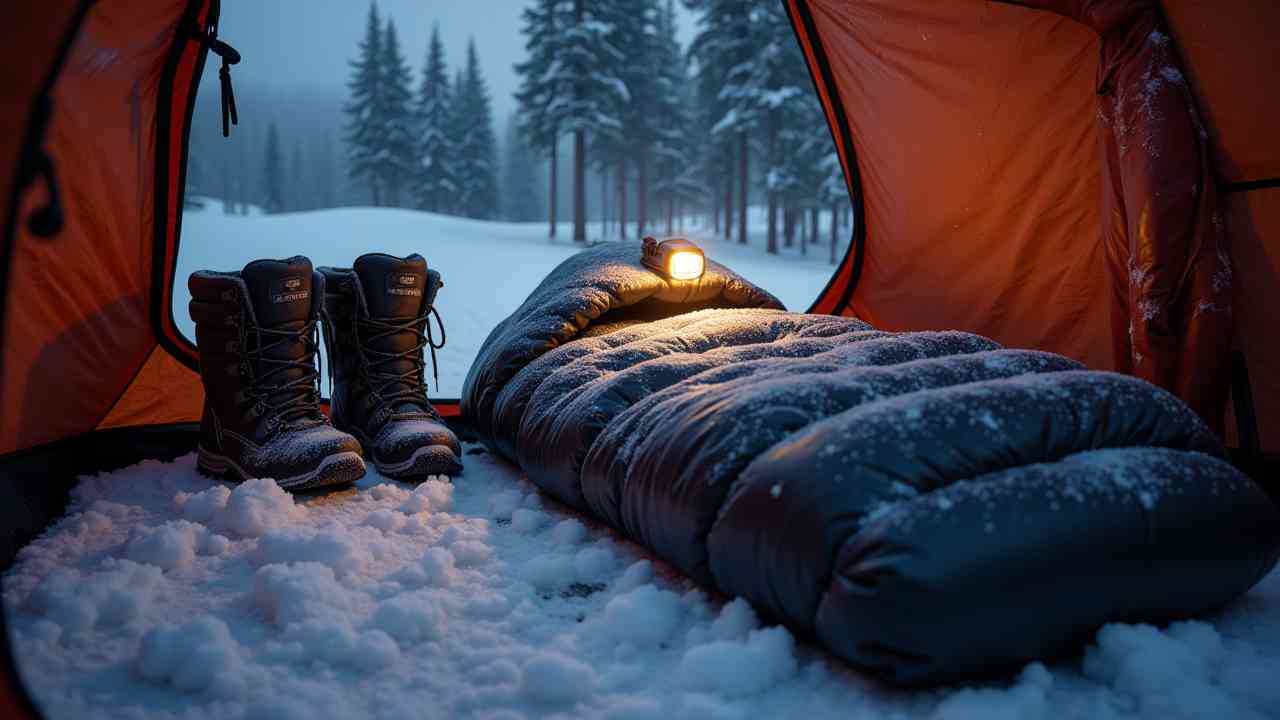
🥶 The Ultimate Cold Weather Sleeping Bag (How to Choose a Winter Bag)
Are you planning a winter camping trip? ❄️ When the temperature drops below freezing, your gear choice is critical. Your ordinary summer bag will not work. You need a specialized cold weather sleeping bag. This is not just about comfort. It is about safety. A good cold weather sleeping bag is a survival tool. It keeps you warm and prevents hypothermia. This guide will show you how to choose the right one. Let's get you ready for the deep freeze. 🥶
🌡️ Understanding Cold Weather Temperature Ratings
This is the most important factor. The temperature rating is the core of a cold weather sleeping bag. It tells you the lowest temperature at which the bag will keep you warm. You must choose a rating that is colder than the environment you plan to be in.
What is the EN/ISO Rating System?
Look for bags with an EN/ISO rating. This is a regulated testing standard. It gives you two main numbers:
- Comfort Limit: This is the lowest temperature at which the average woman can expect to sleep comfortably.
- Lower Limit: This is the lowest temperature at which the average man can remain warm. For survival, this is often the most important number.
Always base your purchase on the Comfort Limit. It is better to be too warm than too cold. When shopping for a cold weather sleeping bag, look for these ratings: ⬇️
- 20°F to 0°F (-7°C to -18°C): Good for deep fall and mild winter camping.
- 0°F to -20°F (-18°C to -29°C): Excellent for true winter conditions. This is the sweet spot for many winter adventurers.
- -20°F and Below: These are extreme expedition bags. They are for mountaineering or very high altitudes.
💡 Pro Tip: A bag's rating assumes you are wearing long underwear and using a good sleeping pad (R-value of 4 or higher).
🦢 Down vs. Synthetic: Which Fill is Best?
Your choice of insulation is critical. It affects warmth, weight, and how the bag handles moisture. Both down and synthetic fill have pros and cons for a cold weather sleeping bag.
Down (Feathers) Fill
Down is the best choice for warmth-to-weight ratio. It is incredibly light. It is also highly compressible. This makes it perfect for backpacking. A down bag will be the warmest for the least weight. 🎒 The downside: Down is expensive. And it loses its insulating power completely when wet. If you are in a very damp environment, this is a serious danger. Look for "hydrophobic" (water-resistant) down for better performance.
Synthetic Fill
Synthetic insulation is made from polyester fibers. It is heavier and bulkier than down. But it has one huge advantage: it retains warmth when it gets wet. This makes it safer for damp climates or for beginners. Synthetic is also more budget-friendly. It is a fantastic choice for car camping. It is also a good option for wet winter areas. However, it does not compress as small. It takes up more room in your pack.
🛡️ Essential Cold Weather Sleeping Bag Features
A good cold weather sleeping bag has features that trap heat. They are designed to eliminate cold spots. These are the details that separate a cold night from a cozy one.
- Mummy Shape: This is a must. The mummy shape is narrow and fitted. It is more thermally efficient than a rectangular bag. It reduces the empty air space your body has to heat.
- Draft Collar/Tube: This is a puffy baffle of insulation. It wraps around your neck and shoulders. It stops warm air from escaping through the hood opening. This is a critical feature.
- Hood: A good hood cinches tightly around your face. You lose a lot of heat through your head. The hood keeps your head and neck warm.
- Draft Tube over the Zipper: This is a long tube of insulation. It runs along the zipper. It prevents cold air from leaking through the zipper teeth.
- Water-Resistant Shell: Look for a DWR (Durable Water Repellent) finish. This helps repel condensation inside the tent. This keeps your insulation dry.
✅ Is a Cold Weather Sleeping Bag Worth the Investment?
Yes. A high-quality cold weather sleeping bag is non-negotiable. It is the most important piece of gear you will buy for winter. Do not try to make a summer bag work with lots of layers. It is not safe. Invest in the best bag you can afford. It will keep you warm, safe, and comfortable. Choose a temperature rating 5-10 degrees below what you expect. And always, always bring a good sleeping pad. Happy winter camping! 💯