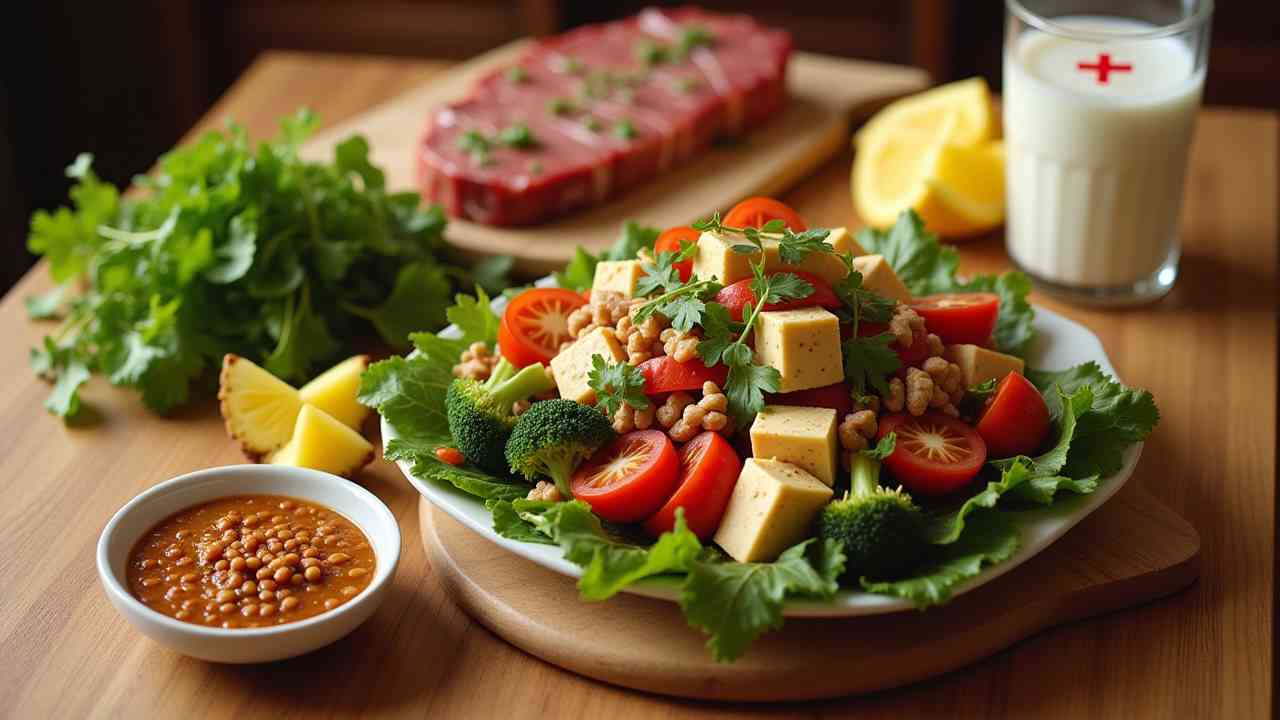
🩸 The A+ Blood Type Diet: Foods for 'The Cultivator'
Have you heard of eating based on your blood type? The A+ blood type diet is a specific plan within this popular theory. It was developed by Dr. Peter D'Adamo. He wrote the book "Eat Right 4 Your Type." This plan suggests people with Type A blood have unique dietary needs. These needs are supposedly linked to their genetic history. The diet gives a list of foods. It claims eating these foods helps Type A+ individuals thrive. But what does this diet involve? Is it based on solid science? Let's examine the A+ blood type diet. We will look at its recommendations and the evidence behind it.
🌿 Who Are Blood Type A Individuals According to the Diet?
Dr. D'Adamo assigns a persona to each blood type. People with Type A blood are called "The Cultivator." 🌱 The theory claims Type A evolved after Type O. This happened when humans started farming. This agricultural link is central to the diet. It suggests Type As adapted to eating plants. They supposedly thrive on a largely vegetarian diet. The theory claims Type As have sensitive digestive systems. They also supposedly have tolerant immune systems. Therefore, the A+ blood type diet is primarily plant-based. It emphasizes fruits, vegetables, grains, and legumes. It discourages foods linked to the earlier 'hunter' phase, especially meat.
✅ What Foods Are Considered 'Beneficial' for Type A+?
The diet ranks foods as beneficial, neutral, or avoid. Beneficial foods are thought to be ideal for Type A health. These form the core of the A+ blood type diet meal plan. A plant-focused approach is key. Many fruits and vegetables are highly recommended. Certain grains and legumes are also encouraged. Quality and preparation methods are sometimes highlighted.
What Plant Foods Should Type A Individuals Eat?
Fruits and vegetables are central. Think broccoli, carrots, kale, and spinach. Beneficial fruits include berries, pineapple, plums, and figs. 🍍 These provide essential vitamins and antioxidants. Grains like oats, rice, and sprouted wheat are often allowed. Legumes such as lentils, pinto beans, and black-eyed peas are encouraged. Soy products (tofu, tempeh) are seen as very beneficial proteins.
Are Any Animal Products Recommended?
The A+ blood type diet is mostly vegetarian. However, it is not strictly vegan. Some poultry like chicken and turkey are often considered neutral. Certain fish like cod, salmon, and sardines may be beneficial. 🐟
🚫 What Foods Should Type A+ Individuals Avoid?
The "avoid" list is crucial according to this theory. These foods supposedly cause negative reactions in Type A blood. This is attributed to harmful lectin interactions. Avoiding them is key to the diet's claimed success.
Why Is Meat Discouraged?
Most meats are on the avoid list, especially red meat (beef, pork, lamb). 🥩 The diet claims Type As do not produce enough stomach acid. This supposedly makes meat digestion difficult. It leads to sluggishness and potential health issues.
Is Dairy Allowed on This Diet?
Dairy products are generally discouraged. 🥛 Milk, butter, and most cheeses are on the avoid list. The theory suggests Type As do not tolerate dairy well. Some fermented options like yogurt or kefir might be neutral.
Are There Other Foods to Limit?
Certain popular vegetables are restricted. These include potatoes, tomatoes, peppers, and cabbage. Some fruits like bananas, oranges, and mangoes are also avoided. Kidney beans and lima beans are often forbidden. Wheat (unless sprouted) is sometimes limited. The specific avoid list for the A+ blood type diet is quite detailed. Following it requires careful planning.
🧘♀️ What Kind of Exercise Is Recommended?
The diet plan also suggests exercise styles. For Type A, calming activities are recommended. This aligns with the 'Cultivator' persona. It also links to the idea of a sensitive stress response. Exercises like yoga, Tai Chi, and meditation are encouraged. 🧘♀️ Gentle aerobic activities like walking or swimming are also good. Intense, competitive sports are generally discouraged by the theory.
➕ Does the '+' in A+ Blood Type Matter for the Diet?
You might wonder about the Rh factor (the '+' or '-'). Does the A+ blood type diet differ from A-? According to Dr. D'Adamo's original theory, the Rh factor does not significantly change the main dietary recommendations. The core diet for Type A (whether positive or negative) remains the same. It is focused on the plant-based, low-meat approach. The primary classification is the ABO blood group (A in this case).
🔬 Does Scientific Evidence Support the A+ Diet?
This is the most critical question. The Blood Type Diet concept is widespread. But is the A+ blood type diet scientifically proven? The overwhelming scientific consensus is NO. 🚫 Numerous large scientific reviews have investigated this. They consistently find no credible evidence to support the Blood Type Diet. There are no robust studies showing health outcomes differ based on blood type when following these specific diets. The underlying theory about blood type-specific lectin reactions is not supported by strong evidence. The historical timeline presented in the diet is also scientifically inaccurate. The diet is based on conjecture, not proven facts.
💡 Why Might Some People Feel Better on This Diet?
Despite the lack of proof, some people report benefits. Why? The positive effects likely have nothing to do with blood type A+. They are a result of generally healthier eating patterns. The A+ blood type diet encourages eating more fruits and vegetables. It cuts out red meat and processed foods. It reduces added sugars and unhealthy fats. Any diet emphasizing whole, plant-based foods can improve health. These benefits are universal, not specific to Type A.
🧑⚕️ Should You Follow the A+ Blood Group Diet?
Following this diet can be very restrictive. Cutting out major food groups like meat and dairy requires careful planning. It can lead to nutrient deficiencies (like B12, iron, calcium) if not managed properly. Most health professionals do not endorse the Blood Type Diet. A balanced, varied diet based on proven nutritional science is recommended. You do not need to avoid healthy foods like tomatoes or bananas just because you are Type A+. Always consult your doctor or a registered dietitian. Do this before making significant dietary changes. The A+ blood type diet is an interesting concept. But it lacks scientific validation. Focus on evidence-based healthy eating instead. ✅