😩 The 17-Month Sleep Regression (Why It's Real & How to Fix It)
Was your toddler a great sleeper? 🤔 Now, suddenly, they are fighting every nap. They are also waking up all night. You are likely in the 17-month sleep regression. This phase is challenging, but very normal. You are not alone. This regression is a sign of huge mental growth. Your toddler is learning so many new things. This brain development is temporarily wrecking their sleep. This is a very common milestone. This guide will explain the 17-month sleep regression. We will explore the causes. And we will give you a clear survival plan. The good news? This is a temporary phase. 😴
🤔 What Is the 17-Month Sleep Regression?
A sleep regression is when a good sleeper suddenly is not. This often lasts for 2 to 6 weeks. The 17-month sleep regression is a well-known (but unofficial) regression. It is a major blip on the sleep radar. This is not your fault. You did nothing wrong. It is 100% caused by new developmental milestones. Your toddler's brain is on fire with new skills. 🔥 This makes it very hard for them to "shut down" and rest.
🧠 What Are the Main Causes of This Regression?
The 17-month sleep regression is caused by a perfect storm. Several big milestones all hit at once. This combination is what makes this regression so tough. Let's look at the main culprits.
Are Teething Molars the Problem?
Yes. This is a huge factor. Around 17-18 months, many toddlers get their first molars. These are the big, flat teeth in the back. They are much more painful than the front teeth. 🦷 This pain is constant. It is often worse at night when they lie down. This pain can wake a baby from a deep sleep. It is a major, physical cause of the 17-month sleep regression.
Is Separation Anxiety Back?
Yes. Separation anxiety peaks around this age. Your toddler now fully understands "object permanence." They know you exist when you leave the room. And they do not like it. 🥺 This is why bedtime battles start. They cry when you leave. They want you to stay. This anxiety can also cause them to panic when they wake up alone at night. This is a key emotional cause.
Is Your Toddler Testing Boundaries?
Absolutely. Welcome to toddlerhood. Your 17-month-old is learning the word "no." They are realizing they have a will. They want to be in control. Bedtime is the ultimate power struggle. They can test you. They can delay sleep. They throw their pacifier out. They ask for more water. This is a new, frustrating behavior. It is a big part of the 17-month sleep regression.
What About New Language Skills?
Your toddler's brain is exploding with new words. 🗣️ This is a huge cognitive leap. Their mind is too busy to sleep. They might wake up and "practice" their new words. This mental activity makes it hard to settle down.
📝 What Are the Signs of the 17-Month Sleep Regression?
The signs are very clear. They are a big change from your normal routine. You will likely see all of these. Bedtime Battles: Your child suddenly resists bedtime. They cry, stall, or scream.
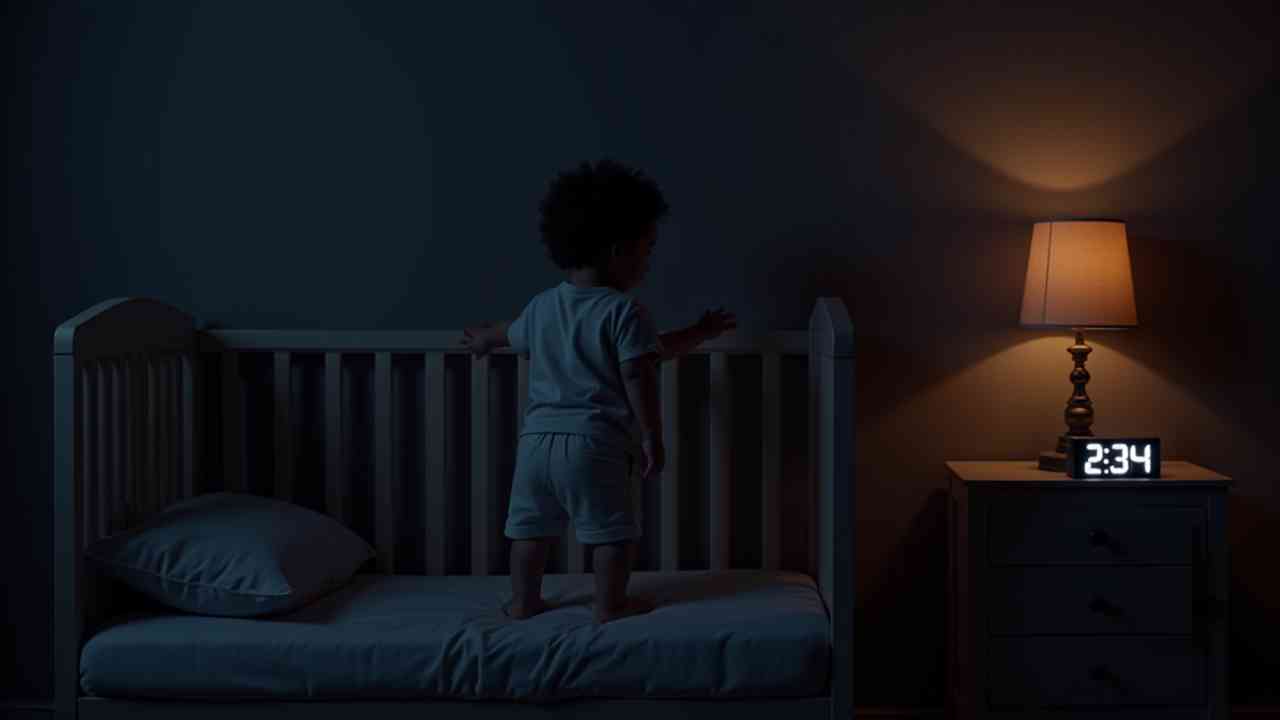
Nap Refusal: They fight their one-and-only nap. They may stand in the crib and play. Or, they may just cry.
Frequent Night Wakes: They are waking up multiple times per night. They often cry hard for you.
Clinginess: They are extra clingy and emotional during the day.
💡 How Do You Fix the 17-Month Sleep Regression? (A Survival Guide)
This phase is temporary. But you can accidentally create new, bad habits. Your goal is to survive this. You must support your child without creating a new sleep problem. Consistency is your only tool. 💯
How Should You Handle Teething Pain?
This is a real, physical pain. You must treat it. Talk to your pediatrician. They will likely approve a safe pain reliever. (Like Acetaminophen or Ibuprofen). On very bad teething nights, give a dose before bed. This is not a long-term habit. It is a short-term medical solution. It helps you rule out pain as the cause of the night waking.
What Is the Rule for Night Wakes?
You must be quick and boring. 🤫 This is for the separation anxiety. When they wake up, go to them quickly. But do not turn on the lights. Do not pick them up. Do not play. Keep it simple. Gently rub their back. Say a simple phrase: "You are safe. It is sleepy time. I love you." Then, leave the room. This reassures them you exist. But it does not reward the wake-up.
How Do You Win the Bedtime Battle?
You must be 100% consistent. Do not give in to "one more book." Do not let them stall. Your bedtime routine must be a rock. 🪨 A short, predictable routine is best. (e.g., Bath, PJs, Book, Song, Bed). Do the exact same thing every night. This predictability is very comforting. It signals to their brain that it is time for sleep. Be firm, calm, and loving.
Should You Let Them Drop Their Nap?
No. A 17-month-old still needs one nap. Do not let them drop it. This is a common mistake. They are just testing you. An overtired toddler sleeps much worse at night. Keep offering the nap. Put them in their crib at the same time every day. Even if they just play or chat, this is "quiet time." Be consistent. They will go back to napping when this phase passes.