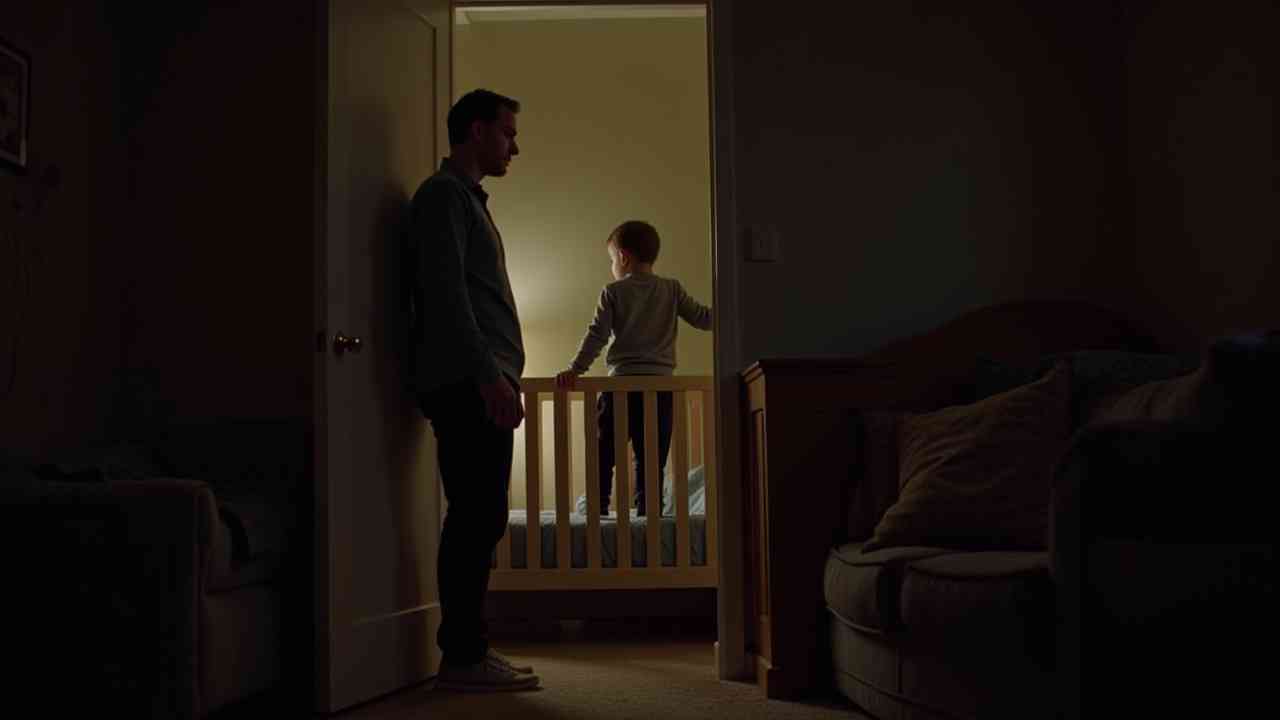
💤 The 15-Month Sleep Regression: A Parent's Survival Guide
💤 Surviving the 15-Month Sleep Regression (A Parent's Guide) 💤
Just when you have finally settled into a predictable one-nap schedule, it can feel like your toddler's sleep has completely unraveled. If your 15-month-old is suddenly battling bedtime, refusing their nap, and waking up at night, you have likely run into the 15-month sleep regression.
First, know that this is a very real and common developmental phase. Your toddler is not being defiant; their brain is just so busy with new skills that it is hard for them to 'switch off.' The good news is that it is temporary. This guide will explain why this regression is happening and how to manage it. Let's get your family back to more restful nights. ✅
🤔 What Does a Typical 15-Month-Old's Sleep Schedule Look Like?
By 15 months, your toddler is firmly on a one-nap schedule. Their stamina for being awake has increased, making a consistent routine crucial. Here are the average sleep numbers for this age:
- Total Sleep: About 11 to 14 hours in a 24-hour period.
- Nighttime Sleep: 10 to 12 hours.
- Daytime Sleep: One solid nap lasting 2 to 3 hours.
- Wake Windows: The time your toddler can stay awake is now around 4-5 hours.
What is a good sample schedule?
A typical 15-month-old sleep routine is built around that single midday nap. This is just a template, so adjust it based on your child's individual needs.
- 7:00 AM: Wake up
- (5-hour wake window)
- 12:00 PM - 2:30 PM: Nap
- (5-hour wake window)
- 7:30 PM: Bedtime
🤯 Why is Your 15-Month-Old Suddenly Fighting Sleep?
This regression is all about development. Your baby's brain is making huge leaps, and their body is learning amazing new things. This excitement can easily override their desire to sleep.
Are they mastering new physical skills?
Yes! This is the number one cause. At 15 months, your toddler is not just walking; they are likely running, climbing, and exploring with confidence. Their crib is a safe and perfect place to practice these new gross motor skills, much to your frustration.
Is their language exploding?
Absolutely. Your toddler's brain is working hard to learn and practice new words. This cognitive leap can make it difficult for them to 'switch off' at night. They may be babbling or calling out for you from their crib.
Is separation anxiety still a factor?
Separation anxiety can still be a major factor at this age. Your toddler may cry or protest when you leave the room because they do not want to be away from you.
Are they teething?
Teething is a constant potential disruptor. The first molars, which are large and can be very painful, often emerge around this age, which can easily disrupt sleep.
✅ What Are the Best Strategies for This Phase?
The key to getting through the 15-month sleep regression is to be consistent. This is a time when your toddler is testing boundaries, and they need the security of a firm and loving routine. This is your most powerful tool.
1. Stick to Your Routine: A calm, 20-minute bedtime routine is a powerful signal that sleep is coming. The cozy, cool autumn evenings are perfect for a warm bath, pajamas, a book, and a gentle song to help your baby wind down. 🍂
2. Don't Create New Habits: It can be tempting to start rocking or feeding your baby to sleep again just to get them to settle. Try to avoid this. It can create a new sleep crutch that you will have to break later.
3. Do NOT Drop the Nap: A nap strike at this age is very common, but it is not a sign that they are ready to stop napping. Most toddlers need their nap until they are 3 years old. Dropping it now will only lead to an overtired, grumpy toddler.
This challenging phase typically lasts for two to six weeks. It will pass as your toddler masters their new skills. Stay consistent, and you will all be sleeping more soundly again soon. ❤️