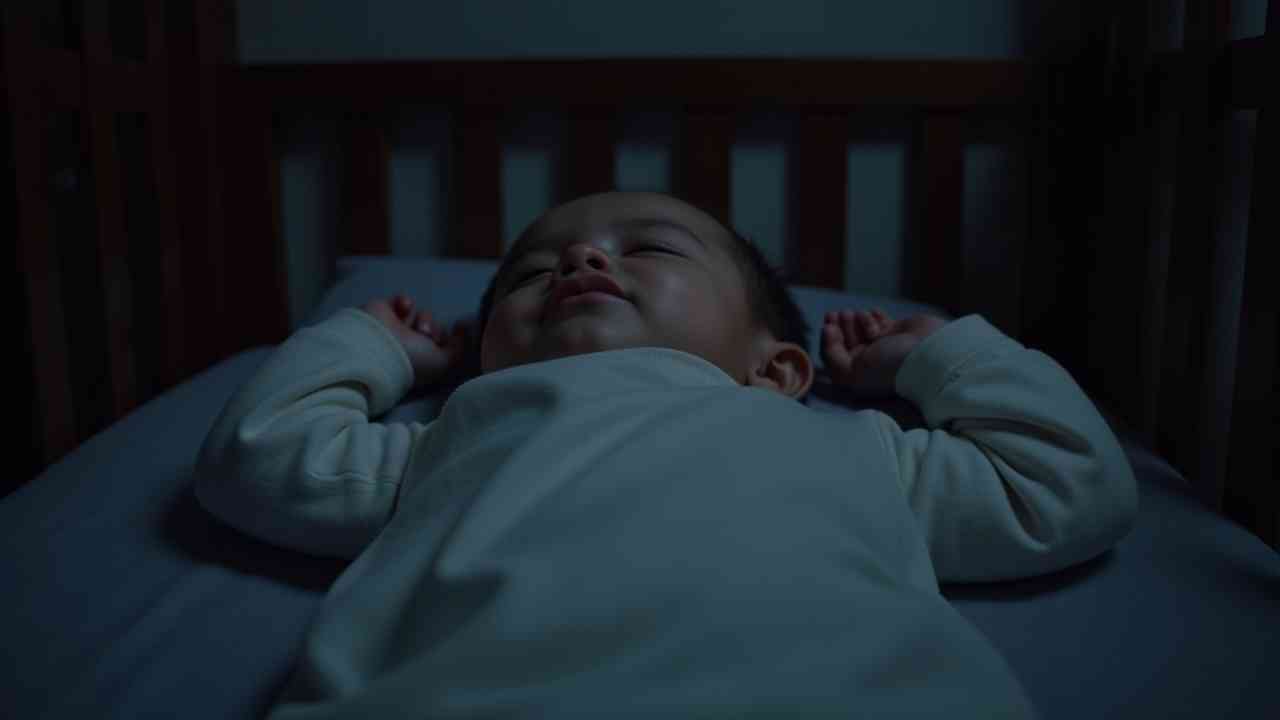
Sleep Sacks: The Safe Sleep Essential 😴👶
What is a Baby Sleep Sack?
A baby sleep sack is a wearable blanket. 👶 It is a safe, cozy garment for sleep. It is designed just for infants and toddlers. Think of it as a sleeping bag for your baby. But it has critical safety features. It has armholes and a neck hole. The baby's arms are free. Their head is always uncovered. 🌬️ The body is enclosed in the warm sack. It zips up easily, usually from the bottom. This design is simple, but revolutionary. It solves the biggest problem in infant sleep. That problem is the danger of loose blankets.
The Dangers of Loose Blankets (The "Why")
The American Academy of Pediatrics (AAP) is clear. 📜 The AAP has safe sleep guidelines. These rules are designed to prevent SIDS. SIDS is Sudden Infant Death Syndrome. The #1 rule is a bare, empty crib. 🚫 A safe crib contains only a firm mattress. It needs a tight-fitting sheet. That is all. This means no loose blankets. No pillows. No bumpers. No soft toys. 🧸 Loose blankets are a suffocation hazard. A baby can pull the blanket over their face. They may not have the strength to remove it. Blankets also increase the risk of overheating. 🔥 Overheating is a major risk factor for SIDS. But this creates a new problem for parents. "How do I keep my baby warm?" 🥶 Parents worry their baby will be cold. This is where the sleep sack comes in. The sleep sack is the only safe blanket. It is a wearable blanket. It cannot cover the face. It cannot be kicked off by the baby. 👟 The baby stays at a safe, consistent temperature. All night long. It provides warmth without the risk. This is why pediatricians recommend them. ✨
How to Choose the Right Sleep Sack
Choosing a sleep sack can be confusing. There are many brands and styles. 🛍️ You must focus on three key features. These are: The TOG rating. The size and fit. The material. Getting these right ensures safety and comfort.
The TOG Rating (The Most Important Feature)
This is the most critical feature. 🌡️ TOG stands for "Thermal Overall Grade." It is a standard unit of measurement. It measures how much thermal insulation (warmth) a fabric provides. A high TOG is very warm. A low TOG is very light. You must match the TOG to your room's temperature. This is not a guess. This is a science. Using the wrong TOG can lead to overheating. 🥵 Or, it can make your baby too cold.
TOG Rating and Temperature Guide:
Here is a simple guide to follow. Always check the nursery's ambient temperature. 0.5 TOG: This is a very thin, light cotton muslin. Use it for hot summer weather. (75-80°F or 24-27°C). 1.0 TOG: This is the most versatile, standard TOG. It is perfect for most homes year-round. (69-74°F or 21-23°C). 2.5 TOG: This is a thicker, quilted, winter-weight sack. Use it for cold rooms in winter. (61-68°F or 16-20°C). 3.5 TOG: This is for very cold rooms. (Below 60°F or 15°C). These are heavily padded. Use them with extreme caution. Always check the brand's specific guidelines. They are experts.
How to Check Your Baby's Temperature
Never judge a baby's warmth by their hands. 🖐️ Hands and feet are often cold. This is normal. It is due to an immature circulatory system. To check their true temp, feel their chest. Or feel the back of their neck. The skin should feel warm and dry. Not hot or sweaty. If the skin is sweaty or clammy, the baby is too hot. Remove a layer. Or use a lower TOG sack.
Sizing and Fit (The Safety Check)
The second key feature is the fit. A sleep sack must fit properly to be safe. Do not buy a sack that is too big. Never "buy to grow into." 🚫 The danger is a loose neck hole. If the neck hole is too large, the baby could slip. 😱 The baby's head could slip down inside the sack. This can cause suffocation. This is the biggest risk. The neck hole must be snug but comfortable. You should be able to fit two fingers in the neck hole. The armholes should also be snug. The baby's arms should not slip back inside. Always buy the sack based on your baby's weight. Not their age. Check the manufacturer's weight chart. ⚖️ A proper fit is a safety non-negotiable.
Material and Fabric
The fabric affects comfort and breathability. Always choose high-quality, breathable materials.
1. Cotton
Cotton is the most common material. ☁️ It is soft, breathable, and easy to wash. Organic cotton is a great choice. It is free from harsh chemicals.
2. Merino Wool
Merino wool is a "super-fabric." 🐑 It is the best material for temperature regulation. It wicks moisture away from the skin. It keeps baby dry. It keeps baby warm when it's cold. It keeps them cool when it's hot. ✨ It is naturally flame-resistant. It is soft. Merino wool sacks are more expensive. But they are very effective.
3. Bamboo
Bamboo rayon is incredibly soft and silky. It is very breathable and has great moisture-wicking properties. It is a good choice for babies with sensitive skin or eczema.
4. Fleece (Polyester)
Fleece is a synthetic material. It is very warm. 🔥 It is often used for high-TOG (2.5+) winter sacks. Fleece is not very breathable. It traps heat. Be extra careful about overheating with fleece sacks. Use them only in cold rooms.
Zipper Design and Convenience
This feature is for the parents. 😴 You will be changing diapers in the dark. At 3 AM. A good zipper makes this easier. Look for a two-way zipper. ↕️ This zipper opens from the top to put the baby in. It also opens from the bottom. 💡 This allows you to zip up from the feet. You can change a diaper easily. You do not have to unzip the whole sack. The baby's chest and arms stay warm. This is a small feature that makes a big difference. Also look for a "zipper garage." This is a small fabric flap. It covers the zipper pull at the neck. This protects the baby's chin from getting poked or scratched. 🛡️
When to Start Using a Sleep Sack?
You can start using a sleep sack immediately. Many hospitals now use them for newborns. They are safe from day one. ✅ However, many parents choose to swaddle first. Swaddling is the practice of wrapping a baby tightly. 🌯 It mimics the feeling of the womb. Swaddling helps calm the Moro (startle) reflex. This reflex can wake a newborn. A swaddle keeps their arms secure. A sleep sack keeps their arms free.
Transitioning from the Swaddle
Swaddling is wonderful for the first few weeks. But it has a strict expiration date. It becomes extremely dangerous once a baby can roll over. 🚨 A baby who rolls onto their stomach while swaddled is at high risk. Their arms are trapped. They cannot push themselves up to breathe. You must stop swaddling when your baby shows signs of rolling. This usually happens around 2-4 months old. This transition can be difficult. The baby is used to being held tight. The sleep sack is the perfect next step. 🔑 It provides the comfort of a "blanket." It gives that cozy, enclosed feeling. But it leaves their arms free. This is safe for rolling. This is when most parents start using a sleep sack. It is the ideal transition product.
What About "Transition Sacks"?
There are products to help with this transition. Brands like the Magic Merlin Sleepsuit are popular. They are thick and puffy. They muffle the startle reflex. Other sacks (like Love to Dream) keep arms up. These are fine for a short time. Before the baby can roll. Once a baby can roll in the suit, you must stop. 🚫 You must transition to a simple, arms-free sack. The simple wearable blanket is the safest, long-term solution.
Are Sleep Sacks Safe for Walking Toddlers?
What happens when your baby starts walking? 🚶 A traditional sleep sack becomes a problem. It is a bag. It restricts their legs. A toddler who stands up in their crib in a sack can easily trip and fall. This is a major trip hazard. 🤕 This is why most parents stop using sacks. They stop around 12-18 months. They transition to pajamas. Or they use a loose blanket (if over 12 months). But what if your toddler is a "blanket kicker"? They still get cold at night. 🥶 This is where the "toddler sack" comes in.
Sleep Sacks with Feet
The solution is a sleep sack with foot holes. 👣 These are often called "early walker" sleep sacks. They look like a big, puffy wearable blanket. But they have two leg holes. The toddler's feet stick out the bottom. This allows them to stand up safely. They can walk around their crib. They can even walk to your room in the morning. But their core and legs stay warm all night. ✨ This is the perfect solution for active toddlers. It extends the life of the sleep sack concept.
Common Sleep Sack Questions (FAQ)
Parents often have the same few questions. Let's answer them quickly.
What should my baby wear under the sleep sack?
This depends entirely on the TOG rating. 👕 And it depends on your room's temperature. For a 1.0 TOG (standard), a simple cotton onesie or footed pajama is perfect. For a 2.5 TOG (winter), a long-sleeve pajama is needed. For a 0.5 TOG (hot summer), just a diaper is often enough. Never over-dress your baby. Remember, the sack is the blanket.
Can my baby sleep on their stomach in a sleep sack?
Yes. This is the great part. You should always place your baby on their back to sleep. This is the law of safe sleep. 🛡️ However, if your baby is old enough to roll over... 🔄 And they roll from their back to their stomach by themselves... It is safe to leave them that way. If their arms are free. A sleep sack leaves their arms free. They can push up. They can turn their head. So, yes. A sleep sack is safe for babies who choose to roll onto their tummies.
How many sleep sacks do I need?
You need at least two. 🍼 Babies have diaper blowouts. They spit up. You will have a "laundry day" sack. You need a backup for the 3 AM emergency. It is also smart to have two different TOG ratings. Have a 1.0 TOG for normal nights. Have a 2.5 TOG for cold winter nights.
Are sleep sacks weighted?
No. Most sleep sacks are not weighted. The AAP and SIDS-prevention groups strongly advise against weighted blankets or swaddles. Any weight on a baby's chest can restrict breathing. 🚫 A safe sleep sack has no weight. It is just a warm, light garment. Avoid any product that claims to be a "weighted sleep sack."
Conclusion: The Gold Standard for Safe Sleep
The sleep sack is a simple, brilliant invention. It is the modern solution to a timeless problem. How to keep a baby warm safely. It is a wearable blanket. It eliminates the need for loose, dangerous bedding. It directly reduces the risk of suffocation. It helps prevent overheating. This makes it the gold standard for safe infant sleep. 🏆 It is the best way to give both baby and parent a warm, secure, and restful night.

When you buy one, remember the two keys. First, check the TOG rating. Match it to your room's temperature. 🌡️ Second, check the fit. Ensure the neck and armholes are snug. 🔒 By following these rules, you are creating the safest possible sleep space. This provides peace of mind. And that is priceless for any new parent. 🌟