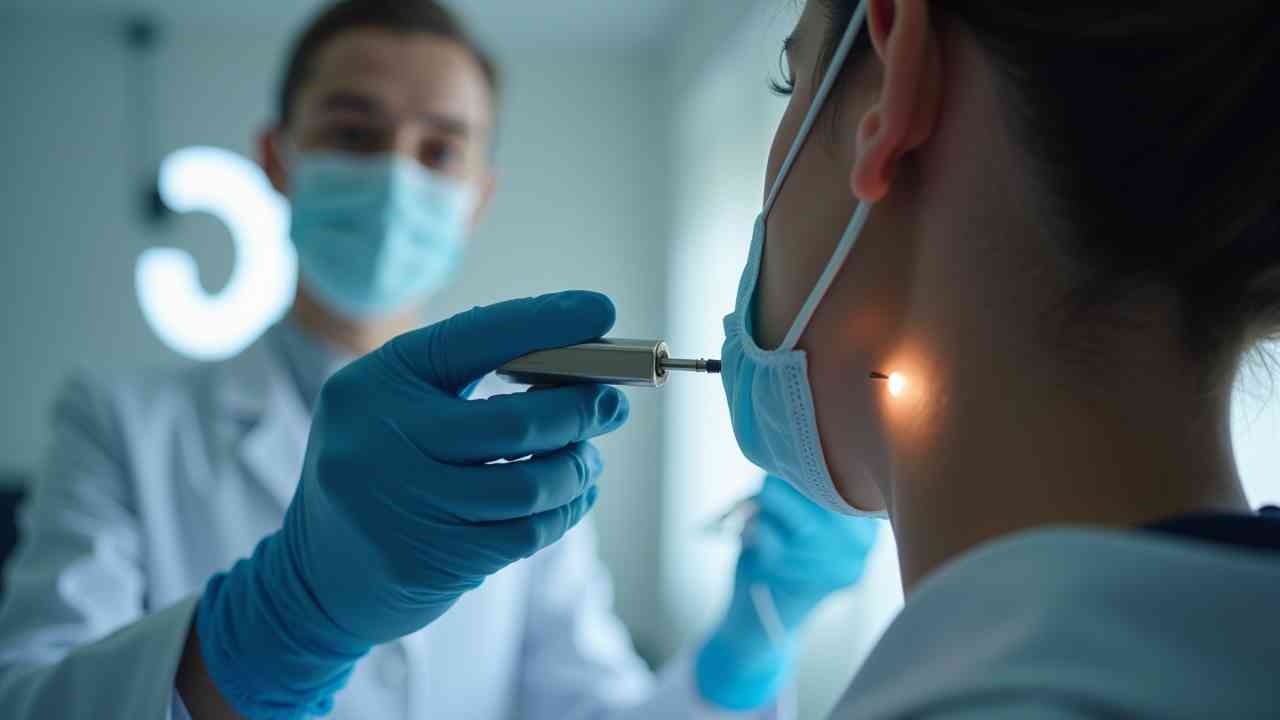
Skin Tag Removal Cost: How Much? 💰
What Are Skin Tags? (And Why Do They Cost?)
Skin tags are very common, harmless skin growths. 🤷♀️ Their medical name is "acrochordon." They are small, soft, flesh-colored "stalks." They often appear in areas of friction. friction This includes the neck, armpits, and groin. Also, under the breasts or on the eyelids. Let's be clear: Skin tags are 100% benign. They are not cancerous. They are not a medical threat. 🚫 So, why do we remove them? We remove them for two reasons. 1. Cosmetics: We do not like how they look. 2. Irritation: They get caught on jewelry. They are rubbed by shirt collars. They can get twisted, red, and painful. Because they are not a "disease," the cost of removal is a major question. 💡 The cost is confusing. It is not one set price. The price for skin tag removal varies wildly. It can be 100. It can be 500 or more. 💸 This guide will break down every single factor. We will cover the provider, the method, and the insurance. We will help you find the safest, most cost-effective solution.
The Big Question: Will Insurance Pay for Skin Tag Removal? 🚫
This is the first and most important question. 🔑 The answer is almost always a hard "NO." Why? Because 99% of the time, skin tag removal is a cosmetic procedure. 💅 Health insurance does not pay for procedures that just make you look better. Insurers call this "not medically necessary." They will not pay your doctor. You are responsible for 100% of the bill. 🧾 You must assume you will pay fully out-of-pocket.
The 1% Exception: "Medical Necessity"
There is a small chance insurance will pay. A small one. For this to happen, your doctor must prove it. They must prove the removal is medically necessary. 🩺 What does this mean? It means the tag must be a problem. Not just an "eyesore." Valid Medical Reasons:
- It is bleeding. 🩸
- It is "torsed." (It has twisted on its stalk and become black and painful).
- It is chronically inflamed. (It is always red, swollen, and irritated from rubbing).
- It is obstructing your vision. (This is common for large tags on the eyelid). 👀
- It is suspicious. (Your doctor is not 100% sure it's a skin tag. They must remove it for a biopsy. 🔬)
Cost Factor 1: The Provider (Who Removes It)
The price changes a lot based on who you pay. A specialist will always cost more than a family doctor.
1. The Dermatologist (Most Expensive, Safest) 🧑⚕️
This is a board-certified skin specialist. This is the gold standard. They are the most qualified. They are the safest. The Biopsy Advantage: This is the real value of a dermatologist. 💡 They can tell the difference between a skin tag, a mole, and skin cancer. Are you 100% sure that bump is a skin tag? What if it is a neurofibroma? Or a basal cell carcinoma? A dermatologist's fee includes this diagnosis. This is peace of mind. 🧠 They can also send the tag for a biopsy. This is the only 100% certain test. The Cost: You are paying for their expertise. And their expensive office. A "cosmetic consultation" fee can be 100 to 250. This is just to talk. The removal procedure is a separate fee. This is added on top. Total Cost at a Dermatologist: 150 to 500+.
2. The General Practitioner (GP) / Family Doctor (Mid-Range) 🩺
Your family doctor can often do this. They have the tools. They can perform simple procedures. (Like freezing or snipping). This is a fantastic, safe, mid-price option. ✅ The cost is often lower than a specialist. Their office visit fee is usually cheaper. Ask your GP at your next physical. "Can you remove these for me? What do you charge?" Total Cost at a GP: 100 to 300.
3. The "MedSpa" / Aesthetician (Risky) 💅
Be very careful with this option. Some "medical spas" offer this. It may seem cheaper. But the person removing it may not be a doctor. They may not be a nurse. An aesthetician is not medically trained to diagnose skin lesions. They cannot perform a biopsy. They do not know what cancer looks like. The risk of infection or scarring is much higher. 🚫 This is not a recommended or safe option.
Cost Factor 2: The Removal Method (What They Do)
The type of procedure affects the cost. It changes the time and tools needed. There are three main medical methods.
1. Cryotherapy (Freezing) ❄️
This is the most common and fastest method. What it is: The doctor uses liquid nitrogen. This is extremely cold (-321°F). 🥶 They use a small spray gun or a cotton swab. They "zap" the skin tag for 5-10 seconds. What it feels like: It stings. Like a sharp bee sting. 🐝 It is very fast. The sting fades quickly. No needles are needed. The Aftermath: The tag turns red. It may blister. It will then turn dark and scabby. It will fall off on its own in 1 to 2 weeks. 🍂 Cost: 100 - 300. This is often the cheapest medical option. The liquid nitrogen is very effective.
2. Excision / Snipping (Cutting) ✂️
This is also very common. It gives an instant result. What it is: The doctor uses sterile, surgical tools. (Scissors or a scalpel). First, they clean the area. Then, they give you a tiny injection. 💉 This is lidocaine. It numbs the skin completely. Once you are numb, they "snip" the tag off. They cut it at the base (the stalk). You feel nothing. It is very fast. They will apply a chemical. (Aluminum chloride). This stops any minor bleeding. What it feels like: The only pain is the tiny needle pinch. The injection stings for a second. The removal is painless. The Aftermath: The tag is gone immediately. 🎉 You leave with a tiny, clean wound. It is like a pinprick. You will have a small scab for a few days. Cost: 150 - 450+. This is more expensive. It requires an injection. It requires sterile, single-use tools. It requires more time and skill from the doctor. Bonus: This is the only method that allows a biopsy. The snipped tag can be sent to a lab. This is the gold standard.
3. Electrocautery / Fulguration (Burning) 🔥
This is another fast, effective method. What it is: The doctor uses a special tool. It is a handheld "hyfrecator." This tool uses a high-frequency electrical current. It has a tiny, hot needle tip. The doctor numbs the area first (with an injection). 💉 Then, the hot tip touches the tag. It burns the tissue instantly. It turns the tag to ash. What it feels like: It is painless after the numbing shot. You may smell a bad smell. (This is the smoke from the cauterization). The Aftermath: The tag is gone. It leaves a small, charred scab. This heals in 1-2 weeks. The biggest benefit? Zero bleeding. The heat seals the blood vessel. This is perfect for tags in sensitive areas. Cost: 150 - 400. It is priced similarly to excision. It requires numbing and a special machine.
Cost Factor 3: The Number of Tags 🔢
This is a major part of the price. How many tags do you have? The pricing structure is rarely "per tag." You do not pay 10 for one tag. 🚫 Doctors have a base fee (or "tray fee"). This fee covers the consultation. It covers the room, the sterile tools, and the doctor's time. This base fee is often 100 to 200. Here are two common pricing models:
Model A: The "Flat Rate"
This is the best deal for most people. 💡 The doctor says, "My fee is 250. This covers the removal of up to 10 (or 15) skin tags." This is a great, predictable price. You know the cost upfront. It encourages you to remove them all at once. This is smart.
Model B: The "Per Tag" Rate
This model is also common. It can get expensive. The doctor charges a base fee. (e.g., 150). This fee includes the first tag only. Then, they charge a small fee for every additional tag. Example Price:
- First Tag (with consult): 150
- Tags 2-10: 20 per tag
- Tags 11+: 10 per tag
Cost Factor 4: At-Home Removal Kits (The "Cheap" Option) 🏠
You have seen these at the pharmacy. They cost 20-40. They seem like a fantastic deal. But they are extremely risky. 🚫 We do not recommend at-home removal. Here is why.
1. At-Home Freezing Kits
These are often sold for warts (e.g., Dr. Scholl's). They use a mix of dimethyl ether and propane. They do not use liquid nitrogen. They are not as cold as a doctor's tool. 🥶 They are very imprecise. The applicator is a large foam tip. You will freeze a large area of healthy skin around the tag. This can cause a painful blister. It can lead to a scar. It can cause a permanent white spot (hypopigmentation). It is very hard to use on your own neck or armpit.
2. At-Home Ligation (Bands)
These kits (like Micro TagBand) are popular. They use a small device. It places a tiny rubber band around the stalk of the tag. This cuts off the blood supply. (Ligation). 🩸 The tag turns black, dies, and falls off. This takes 7-14 days. The Risk: This is a slow, painful process. The tag becomes necrotic (dead) while on your body. It can get snagged. It is a high risk for a staph infection. 🦠 A staph infection is much worse (and more expensive) than a skin tag.
3. At-Home Pastes and Gels (Acids)
These are often just high-strength salicylic acid. 🧪 These are designed to chemically burn the tissue. This is a terrible, imprecise method. The acid will run. It will burn all the healthy skin around the tag. This can lead to a chemical burn and a permanent scar.
The #1 Biggest Risk of All At-Home Kits: Misdiagnosis ☠️
This is the most important reason to see a doctor. Are you a board-certified dermatologist? No? 🧐 Then you cannot be 100% sure that it is a skin tag. What if that "skin tag" on your back is actually a neurofibroma? (Harmless, but will not respond). What if it is a wart? (A virus. It will spread if you cut it). What if it is a nevus (a mole)? What if it is amelanotic melanoma or basal cell carcinoma? (Skin cancer). Skin cancer can mimic a skin tag. It can look like a small, pink bump. If you freeze or burn off a skin cancer... you have not cured it. You have just destroyed the evidence on the surface. 🔬 You are allowing the cancer to grow downward. It can spread. You have delayed a life-saving diagnosis. Is saving 150 worth that risk? The doctor's fee is not just for the removal. It is for the diagnosis. 💡 The peace of mind from a professional diagnosis is priceless.
How to Save Money on Professional Removal
You have decided to see a doctor. Smart choice. 🌟 Here is how to get the best price. 1. Call Ahead for "Cosmetic" Pricing. Call the billing department of 2-3 dermatologists. 📞 Ask: "What is your self-pay price for cosmetic skin tag removal?" Ask: "Do you offer a flat rate for a certain number of tags?" Compare prices. They will be different. Choose the best deal. 2. Ask Your GP First. Do not go straight to a fancy cosmetic dermatologist. Ask your family doctor at your next check-up. Their price for a simple cryotherapy zap is often much lower. 3. Bundle Your Procedures. This is the best hack. 💡 Book a full-body skin cancer check. This is almost always covered by insurance as a preventive visit. At the end of your appointment, after the check is done... Say: "Doctor, while I'm here, I have 10 cosmetic skin tags on my neck that bother me. What would you charge to freeze those off today?" Most doctors will give you a huge discount. You are already in the room. The consultation is already paid for by insurance. They may just charge you a small "supply fee" of 50-100. This is the cheapest, safest way to do it. You get a life-saving cancer check and your cosmetic procedure. ✅ 4. Use Your HSA/FSA Account. A Health Savings Account (HSA) is pre-tax money. You cannot use it for purely cosmetic things. But... if your doctor can document the tags as "medically necessary" (irritated, bleeding)... 🩺 ...the procedure is now a medical one. It is eligible for your HSA/FSA card. This saves you 20-30% (your tax rate).
Conclusion: A Worthwhile Investment
The cost to remove skin tags is 100 to 500. 💰 This cost depends on your doctor, the method, and the number of tags. Insurance will not pay unless they are a medical problem. At-home kits are cheap. They are also very dangerous. You risk infection, scarring, and, worst of all, misdiagnosing a skin cancer. 🚫
The cost of a professional visit is worth it. It is an investment in your safety and your peace of mind. 🌟