Pink Noise for Sleep: The Science of Deeper, Better Rest 😴🧠
What is Pink Noise and How Does It Differ From White Noise?
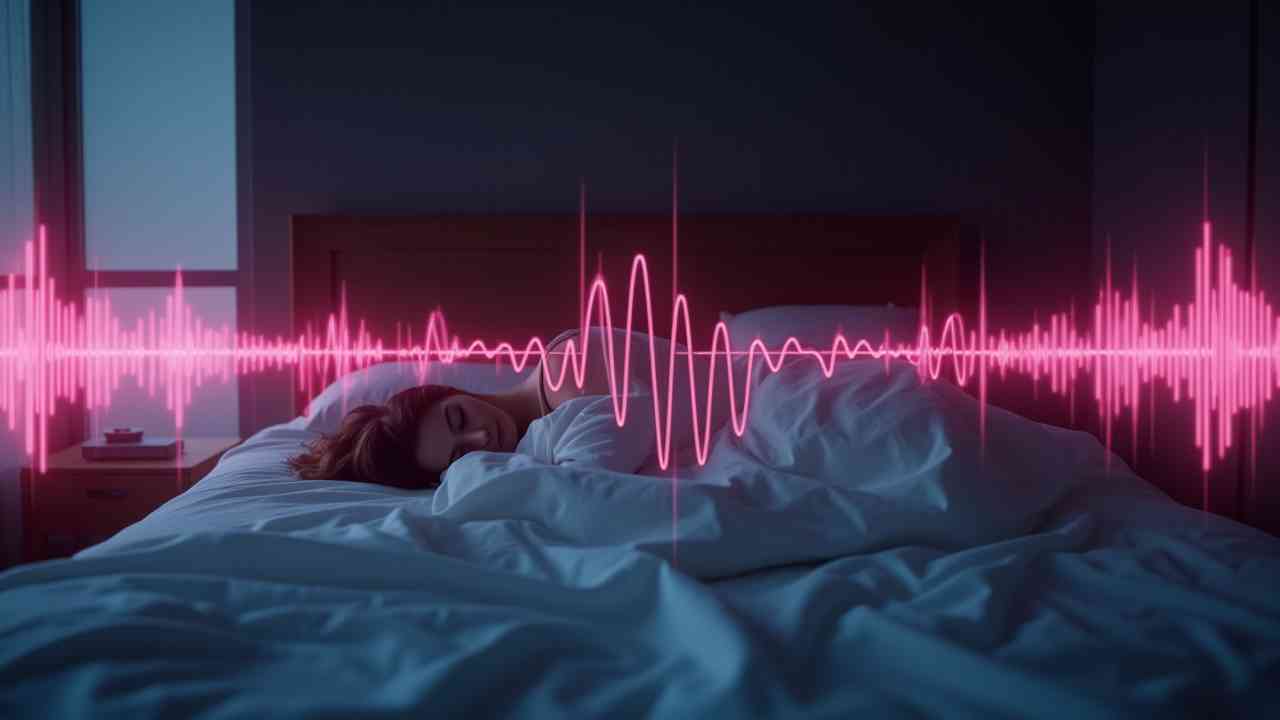
Pink noise is a specific frequency of sound designed to aid sleep. It is characterized by a unique power spectrum. In pink noise, the power of the sound decreases as the frequency increases. This means the lower frequencies (deep rumbles) are louder and more prominent 📉. This creates a balanced, soothing sound profile.
Pink Noise vs. White Noise
The distinction from white noise is key. White noise covers all audible frequencies equally. It sounds like a static hiss or a rushing waterfall 🌊. Pink noise is deeper, more complex, and gentler. It sounds more like natural occurrences. Examples include steady rainfall, ocean waves, or the consistent rush of wind through trees. This deeper, lower-pitch sound is less jarring and more effective for promoting rest in adults 🔑.
The Scientific Mechanism for Deeper Sleep
Pink noise is highly effective because it directly influences the brain's electrical activity during sleep. This effect helps maximize the restorative phases of the sleep cycle.
Entrainment of Brain Waves
Pink noise helps slow down the brain's electrical activity. It helps the brain transition from the active Beta waves (wakefulness) to the slower Delta waves of deep sleep. Some studies suggest this specific rhythm can entrain (synchronize) brain activity. This synchronization enhances the time spent in Slow-Wave Sleep (SWS) 😴. SWS is the most physically restorative stage of the sleep cycle.
Enhancing Memory and Cognition
Maximizing SWS is crucial for cognitive function. Deep sleep is when the brain performs memory consolidation. By making SWS more stable and frequent, pink noise can indirectly improve memory and learning effectiveness 🧠. This benefit is a major advantage for students and working professionals.
The Practical Benefits for Sleep Quality
The main practical benefit of using pink noise is its ability to mask disruptive noises. It creates a stable acoustic environment for the sleeper.
Masking Sudden Disturbances
A consistent ambient sound like pink noise effectively masks sudden, unpredictable noises. Sounds like traffic, sirens, or door slams trigger the body's natural arousal response 🚨. Pink noise creates a constant, low-level sound blanket. This prevents the sudden external noises from registering in the brain. The result is fewer nocturnal awakenings and more stable sleep continuity 🛡️.
Reducing Sleep Onset Latency
For individuals struggling with insomnia, pink noise can reduce the time it takes to fall asleep (sleep onset latency). The steady, non-threatening rhythm helps the mind relax and stops the cycle of anxious, racing thoughts. This distraction helps signal safety to the parasympathetic nervous system.
How to Safely Integrate Pink Noise
Integrating pink noise into your bedtime routine requires attention to volume and consistency. The sound should support, not disturb, the rest process.
Setting the Optimal Volume
The sound should be played at a low, comfortable volume. It should be loud enough to mask external sounds effectively. However, it should not be so loud that it becomes noticeable or distracting itself. Avoid placing the speaker directly under your pillow. Place it a few feet away for soft diffusion 🎧.
Consistency is Key
Play the pink noise every night to reinforce the sleep habit. Use a high-quality sound machine or a dedicated app. Ensure the sound loop is long and seamless to avoid sudden volume changes. This consistency teaches your brain to associate the sound with immediate rest ⏰.
Conclusion: The Superior Sleep Aid
Pink noise is a superior sleep aid because its balanced, low-frequency sound promotes stable deep sleep and masks environmental noise effectively. Use a quality source and low volume consistently. This simple adjustment is a powerful tool for improving sleep quality and duration 🌟.