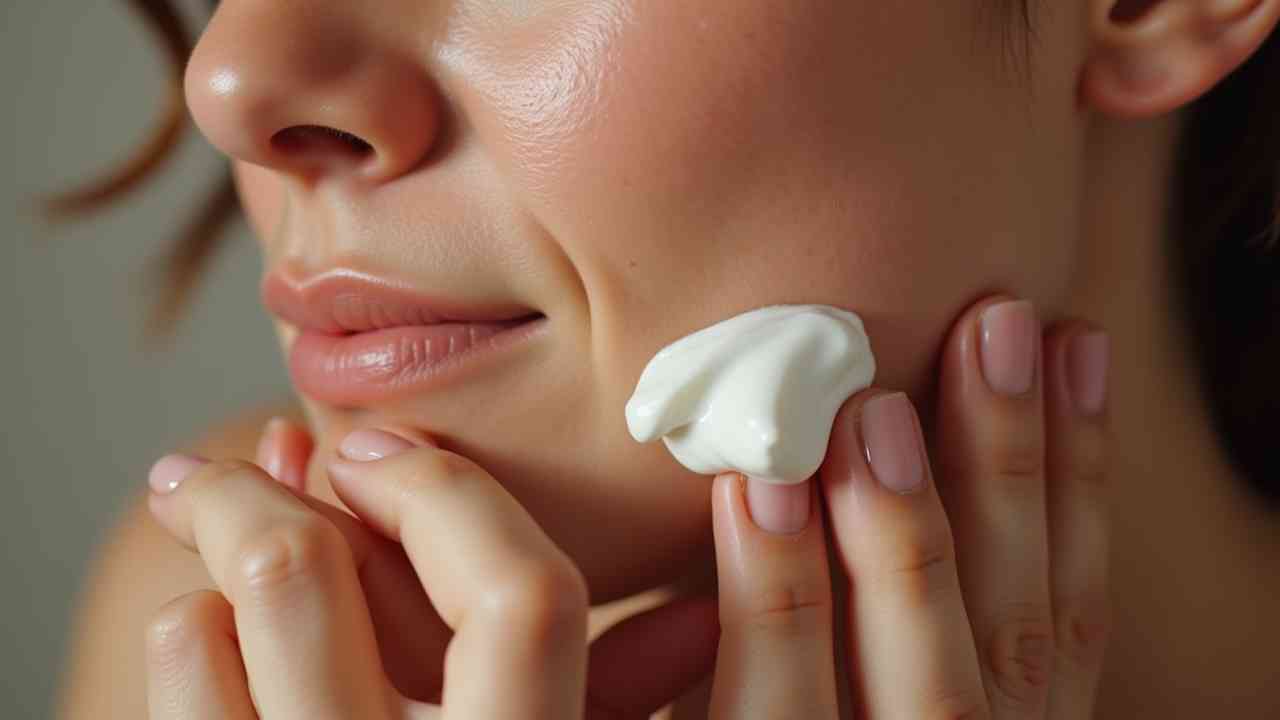
Perimenopause Itchy Skin: Causes and Treatment 🌸💧
The Foundational Cause Estrogen Deficiency
Itchy skin, or pruritus, is a very common and frustrating symptom of perimenopause 🌸. This dryness and itching are directly caused by a significant decline in estrogen levels 📉. Estrogen plays a vital, supportive role in maintaining skin health and hydration. As estrogen fluctuates and drops, the skin loses its natural defenses immediately.
Estrogen and Skin Function
Estrogen is responsible for stimulating collagen production and maintaining the skin's thickness. It also ensures the proper function of sebaceous glands (oil glands). Low estrogen leads to reduced collagen, thinning skin, and decreased oil production. This leaves the skin barrier compromised and highly susceptible to dehydration ⚠️.
The Mechanism of Dryness and Itching
The skin's compromised structure leads to rapid moisture loss. This triggers the sensation of itching. The cycle of dryness and scratching exacerbates the inflammation.
Compromised Moisture Barrier
Estrogen deficiency weakens the skin's protective lipid barrier. This leads to increased Transepidermal Water Loss (TEWL) 💧. The skin loses water quickly, becoming dry, flaky, and itchy. This dryness activates nerve fibers in the skin, which transmit the itch sensation to the brain 🧠.
Histamine Release
The itching can also be worsened by vasomotor instability (hot flashes and night sweats). The sudden temperature changes can trigger the release of histamine. Histamine is a chemical that contributes to itching and flushing effectively.
Effective Treatment Strategies for Relief
Treatment focuses on replacing lost moisture and structural lipids. The approach must be gentle and consistent to repair the compromised barrier successfully.
1. Barrier Repair Ingredients
Use thick, emollient moisturizers rich in Ceramides and Hyaluronic Acid. Ceramides are lipids that rebuild the skin's protective barrier. Hyaluronic Acid draws moisture into the skin, plumping the tissue. Apply moisturizer immediately after showering to trap water 🚿.
2. Temperature and Hydration Control
Avoid taking long, hot showers, which strip natural oils and worsen dryness ❌. Keep the ambient air in your bedroom cool and use a humidifier at night. Drink plenty of plain water throughout the day to ensure internal hydration is maximized.
3. Anti-Inflammatory Agents
Over-the-counter oral antihistamines can help manage persistent, night-time itching. Hydrocortisone cream (1%) can be applied sparingly to small, severely irritated areas for temporary inflammation relief 💊. Consult a dermatologist if the itching is severe or leads to open wounds.
Conclusion: Moisturize and Manage Hormones
Perimenopausal itchy skin is primarily caused by estrogen-driven barrier loss. Treat it by consistently applying ceramide-rich moisturizers and avoiding harsh soaps. Consult your doctor to discuss Hormone Replacement Therapy (HRT), which can address the root cause 🌟.