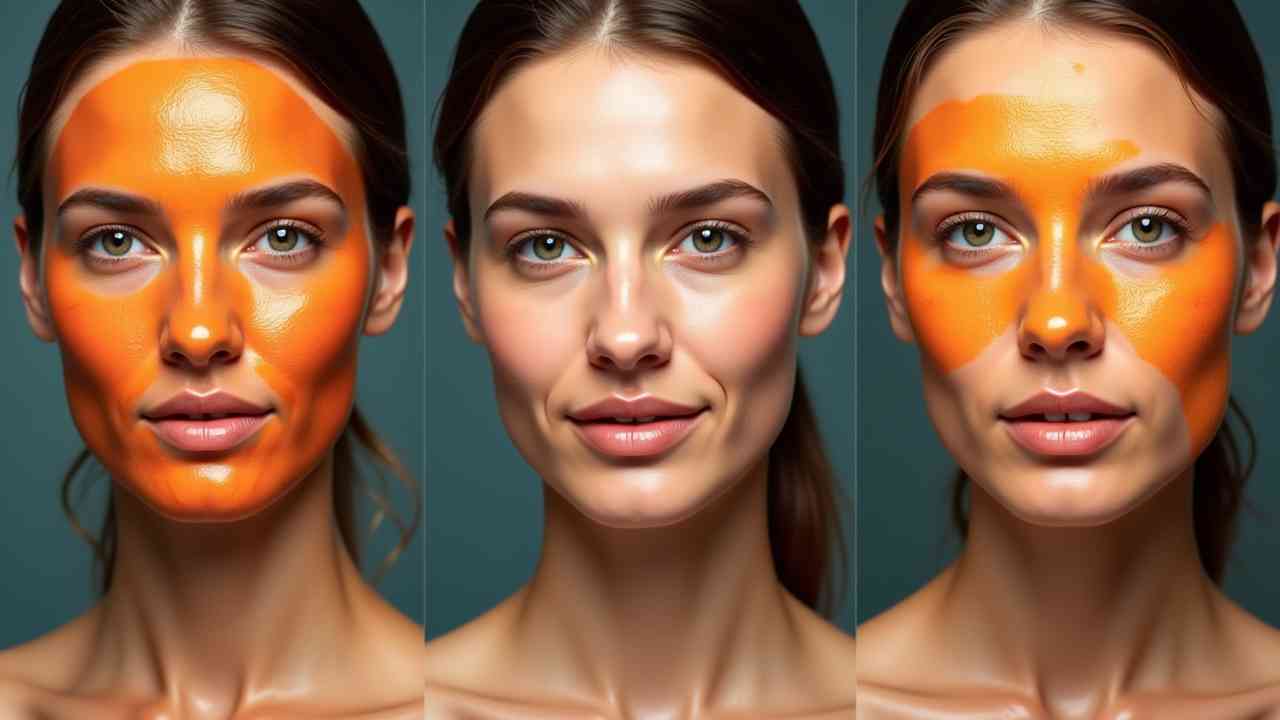
Orange Peel Skin: Causes & Fixes 🍊
What is "Orange Peel Skin"?
You have probably heard the term "orange peel skin." 🍊 It is a common, descriptive phrase. It is not a single medical condition. It describes a skin texture, not a disease. What does it mean? It means your skin looks... well, like an orange peel. The skin's surface is not smooth. It looks bumpy. It looks dimpled. It looks puckered. It often has very visible, large, or indented pores. This texture is a major cosmetic concern. It can make you feel self-conscious. It can also make makeup application very difficult. 😥 Foundation can sink into the pores. This makes the texture look even worse. But "orange peel skin" can mean three very different things. It is critical to know which one you have. 🔑 The three types are: 1. Facial Congestion & Pore Size (Aesthetic): This is the most common use of the term. It refers to enlarged pores on the face, especially the cheeks and nose. 2. Cellulite (Structural): This is the dimpled texture on the thighs, hips, and buttocks. It is also called orange peel skin. 🍑 3. Peau d'Orange (A Medical Emergency): This is the most serious. It is a sign of swelling and disease. It is often linked to inflammatory breast cancer. 🚨 This guide will explain all three types. We will show you the causes. We will show you the solutions. Let's start with the most serious one first. This is a vital health warning.
Part 1: The Medical Warning: "Peau d'Orange"
You must read this section first. 🩺 If your "orange peel skin" is on your breast, this is a medical issue. The term is French. "Peau d'orange" means "skin of an orange." This is a specific medical sign. It is not a cosmetic problem. 🚫 It is a sign of lymphedema. This is a blockage in your lymphatic (fluid) system. Fluid gets trapped under the skin. This causes intense swelling. swollen The skin swells. But the hair follicles are anchored down. They cannot swell. This is what creates the dimples. The skin swells around the follicles. This creates the classic, pitted, orange peel look.
The Link to Inflammatory Breast Cancer (IBC)
Peau d'orange on the breast is a classic sign of Inflammatory Breast Cancer (IBC). IBC is a rare, aggressive form of breast cancer. It does not usually form a hard lump. 🙅 Instead, the cancer cells block the lymph vessels. This is what causes the lymphedema. This is what causes the peau d'orange texture.
Symptoms of Peau d'Orange (IBC)
Do not ignore these symptoms. See a doctor immediately. The symptoms often come on very fast (in days or weeks).
- Dimpled Skin: The skin on the breast looks like an orange peel.
- Redness: The breast looks red, pink, or even bruised.
- Swelling: One breast suddenly looks larger or heavier than the other.
- Warmth: The affected breast feels hot to the touch. 🔥
- Pain: The breast may be tender, aching, or itchy.
- Nipple Changes: The nipple might invert (turn inward).
Part 2: Facial "Orange Peel Skin" (Enlarged Pores)
This is the most common, cosmetic use of the term. 🍊 This is what most people mean when they say it. You look in the mirror. You see it on your cheeks. You see it on your nose. Your skin has a rough texture. Your pores look huge. They look "stretched out." They may look like tiny, indented dots. This is facial orange peel skin. What causes this? It is a mix of three main factors.
Cause 1: Sun Damage (The #1 Culprit) ☀️
This is the main cause of the texture. Think of your pore like a small tunnel. The walls of the tunnel are made of collagen. 🧬 Collagen is the protein that makes your skin firm. It is the "scaffolding" that holds everything up. UV rays from the sun are the enemy of collagen. 💥 Sun damage (photoaging) destroys your collagen fibers. It makes them weak. When the collagen walls of your pore are destroyed... the pore collapses. sagging It sags open. It becomes a wider, more visible, drooping hole. When this happens to thousands of pores, your skin loses its structure. It is no longer smooth. It looks just like an orange peel. This is called "solar elastosis." This is why the texture gets worse as you age. The damage is cumulative.
Cause 2: Excess Sebum (Oily Skin)
This is the second factor. This is often genetic. 🧬 People with oily skin types naturally have larger pores. Your pores are simply openings for your oil glands (sebaceous glands). If your glands are large and produce a lot of oil (sebum), the opening must be larger. 💧 This excess oil can also make the pore look bigger. It fills the pore and reflects light. This makes it more obvious.
Cause 3: Chronic Congestion (Clogged Pores)
This is the factor you can control most easily. A clog makes a pore look larger. 🔌 A clog is a mix of two things: excess oil (sebum) and dead skin cells. This sticky, waxy plug fills the pore. It stretches the pore's opening. 🤢 If the clog is open to the air, it oxidizes. It turns black. This is a blackhead. ⚫ A blackhead is just a very visible, stretched-out pore. A face full of blackheads creates a bumpy, "strawberry nose" texture. This adds to the orange peel look.
Cause 4: Natural Aging
As you age (even without sun damage), you stop making collagen. Your production drops every year after age 25. 📉 Your skin gets thinner. It loses its elasticity. Gravity takes over. Your pores begin to sag. They often look "elongated" or like a teardrop. 💧 This also contributes to the uneven, crepey texture.
How to Fix Facial "Orange Peel Skin"
You cannot "shrink" a pore. A pore is not a muscle. It cannot open or close. 🚫 This is a myth. Steam does not "open" pores. Cold water does not "close" them. So, what is the goal? The goal is to make the pore appear smaller. We have two strategies. They must be used together. 1. Clean it out: We must remove the clog. An empty pore is less visible. 2. Rebuild the walls: We must build new collagen. This "girdles" the pore. It tightens the opening from the outside. This 4-step plan is the gold standard. 🏆
Step 1. Unclog the Pore (BHA / Salicylic Acid) 🧪
This is your chemical "plumber." You must use a BHA (Beta Hydroxy Acid). The only BHA is Salicylic Acid. Why is Salicylic Acid (SA) the best? 🔑 It is oil-soluble. This is its superpower. It can dissolve in oil. This means it can travel deep inside your oily pore. It gets past the surface. It dissolves the waxy plug of oil and dead skin. It clears the clog from the inside out. An empty pore is a "clean" pore. It looks much smaller. How to Use It: Buy a 2% Salicylic Acid toner or serum. Apply it at night, after cleansing. 🌙 Start 3 times a week. It can be drying. Let your skin adapt.
Step 2. Rebuild the Collagen (Retinoids) 🥇
This is the most important step for fixing the texture. This is your long-term builder. This is the ultimate anti-aging tool. You need a Retinoid (Vitamin A). 🧬 This includes over-the-counter Retinol. Or prescription Tretinoin (which is stronger). How do Retinoids work? They are cell communicators. They are the "generals." They speed up your cell turnover. This sheds the old, damaged surface layer. But most importantly: they tell your skin cells to build new, healthy collagen. 💪 This new collagen rebuilds the damaged pore walls. It makes the skin thicker. It makes it firmer. This new, strong collagen network "squeezes" the pore. It tightens the opening. This is the only topical ingredient that can truly restructure the pore. How to Use It: Use Retinol at night only. 🌙 Start slow! Use a pea-sized amount. Apply it only 2 times a week. You will get dry and flaky. This is normal. It is called "retinization." You must wear sunscreen every day. (See Step 4). Do not use BHA and Retinol on the same night. Alternate them. (e.g., BHA on Mon. Retinol on Tue. Rest on Wed).
Step 3. Smooth the Surface (AHAs) ✨
BHA works inside the pore. Retinol works deep in the dermis. AHA works on the surface of your skin. AHA stands for Alpha Hydroxy Acid. (e.g., Glycolic or Lactic Acid). AHAs are "un-gluers." They dissolve the glue that holds dead cells on the surface. This "polishes" your skin. It makes the rough, bumpy surface feel smooth. A smooth surface reflects light better. This gives you a "glow." 🌟 Use an AHA serum 1-2 times a week. Use it on a night you are not using Retinol.
Step 4. Protect Your Progress (Sunscreen) 🛡️
This is the most critical step. This is non-negotiable. What caused the orange peel texture? Sun damage. ☀️ What are you using to fix it? Acids and Retinol. These ingredients make your skin photosensitive. This means it burns much faster. If you use Retinol at night... and you do not wear sunscreen in the day... you are making your skin worse. 🚫 You are actively destroying your new, fresh skin cells. You must wear a Broad Spectrum SPF 30 (or 50). Every single day. 🗓️ Rain or shine. Inside or outside (if near a window). Sunscreen is the only way to stop new damage. It is the only way to let your other products work. If you will not wear SPF, do not bother with the other steps.
Professional Treatments (The Fast Track)
Want to fix the texture faster? You need a dermatologist. 🧑⚕️ In-office treatments are powerful. They are also expensive. 1. Microneedling: This uses tiny needles. It creates micro-injuries. Your body responds with a massive collagen surge. This is very effective for texture. 2. Chemical Peels: A high-strength Salicylic or Glycolic peel. This melts all the clogs. It resurfaces the skin in one session. 3. Lasers (e.g., Fraxel): This is the most powerful. It uses focused heat. It vaporizes the damaged top layer. It forces a total collagen rebuild. This is the best, but most expensive, fix.
Part 3: Body "Orange Peel Skin" (Cellulite)
This is the second meaning of the term. This is the dimpled, puckered skin on your thighs, hips, and buttocks. 🍑 It is extremely common. Over 90% of women have it. It is normal. Cellulite is not a sign of being overweight. Thin women have it, too. It is not caused by "toxins." 🚫 A "detox" will not cure it. It is a structural problem with female skin.
What Causes Cellulite?
The cause is simple anatomy. 👩 1. You have a layer of fat cells under your skin. 2. You have fibrous cords. They are called septae. These cords connect your skin down to your muscle. They are like anchors. ⚓ In women, these septae are vertical. (Like a picket fence). |||| The fat cells (the "pillows") can push up through these cords. The cords pull down. This "push/pull" is what creates the dimple. It is the orange peel texture. (In men, the septae are crisscrossed. (Like a chain-link fence). The fat cannot push through as easily. This is why men rarely get cellulite.) This is genetic. It is hormonal. It is not your fault. 💡
How to Improve (Not Cure) Cellulite
You cannot "cure" cellulite. There is no magic cream. 🚫 You can only reduce its appearance. There are two natural, effective ways to do this.
1. Build the Muscle Underneath
This is the best natural fix. 💪 You must do strength training. You must build your glutes and hamstrings. Best Exercises: Squats, Lunges, Deadlifts, and Glute Bridges. Why it works: A firm, strong muscle acts as a better "foundation." It pushes up on the skin. This makes the surface look smoother and tighter. It is like putting a tight drum skin over the fat.
2. Reduce the Fat Layer
You cannot "spot reduce" fat. 🚫 But you can reduce your overall body fat. This is done with a calorie deficit. 📉 Why it works: When you lose fat, your fat cells shrink. The "pillows" get smaller. This reduces the "push" against the cords. Less push = less dimpling. A lower body fat percentage will always reduce the look of cellulite.
3. Topical Creams (The Temporary Fix)
Do creams work? Not really. But they can help visually. For a few hours. ⏳ Caffeine Creams: Caffeine is a "vasoconstrictor." It temporarily tightens blood vessels. This can make the skin look smoother for a few hours. It is a good "beach day" fix. 🏖️ Retinol Creams: A body lotion with Retinol can help. Over 6+ months, it will build a tiny bit of collagen. This can make the skin thicker. A thicker "skin envelope" is better at hiding the dimples. This is a very minor, very slow improvement.
Conclusion: Identify Your Type and Be Consistent
You must first identify your "orange peel skin." 1. If it is on your BREAST: Stop reading. See a doctor. This is a medical emergency (Peau d'Orange). 🩺 2. If it is on your FACE: (Enlarged Pores) This is a texture problem. It is from sun damage, oil, and aging. Your 4-step plan is: BHA (to clean), Retinol (to build), AHA (to smooth), and SPF 50 (to protect). This is a long-term plan. 🗓️ 3. If it is on your THIGHS/BUTT: (Cellulite) This is a normal structural issue. Your 2-step plan is: Build muscle (with squats/deadlifts) and lose fat (with a calorie deficit). This will smooth the appearance. 💪 In all cases, the fix is not a quick miracle. It is a long-term, consistent effort. 🌟