Olympic Weights Set: The Ultimate Guide 🏋️♂️💪
What Defines an Olympic Weights Set?
An Olympic weights set is the professional standard for strength training. It is used in commercial gyms and official competitions worldwide. The set consists of three primary components: the barbell, the weight plates, and the collars 🏋️♂️. Its defining feature is its specific, standardized measurement. The key differentiator is the 2-inch (or 50mm) diameter of the barbell's sleeves. The weight plates have a corresponding 2-inch center hole. This is much larger than the 1-inch hole found on "standard" weight sets. This robust design allows for much heavier and safer lifting.
The Heart of the Set: The Olympic Barbell
The barbell is the most crucial part of the set. A standard men's Olympic barbell has specific dimensions. Understanding these is key to your training.
Standard Barbell Specifications
A men's bar is typically 7.2 feet long (2.2 meters). It weighs 20 kilograms (44 pounds). This 45lb approximation is often used in gyms ⚖️. Women's Olympic bars are shorter, lighter (15 kg), and have a thinner grip. The sleeves of the bar (where plates are loaded) rotate. This rotation is vital. It allows the plates to spin independently of the bar's shaft. This reduces torque on your wrists and elbows during fast, dynamic lifts. This spin prevents injury during exercises like the clean and jerk.
Grip and Markings
The shaft features a textured pattern called knurling. This provides a secure grip for your hands. Olympic bars have specific knurl markings. These rings act as visual guides for consistent hand placement. This is crucial for lifts like the bench press and squat.
The Load: Olympic Weight Plates
Olympic plates are designed to fit the 2-inch sleeves. They come in two main varieties. The type you choose depends on your training style and budget.
1. Iron / Steel Plates (Traditional)
These are the classic cast iron or steel discs. They are highly durable and have a long lifespan. Because metal is dense, these plates are thinner. This allows you to load more total weight onto the bar 🦾. Iron plates are generally less expensive. They are perfect for powerlifting and general strength training. The main drawback is that iron plates cannot be dropped. Dropping them can damage the plates, the bar, and your floor. They must be controlled at all times. This makes them unsuitable for Olympic weightlifting.
2. Bumper Plates (Rubber)
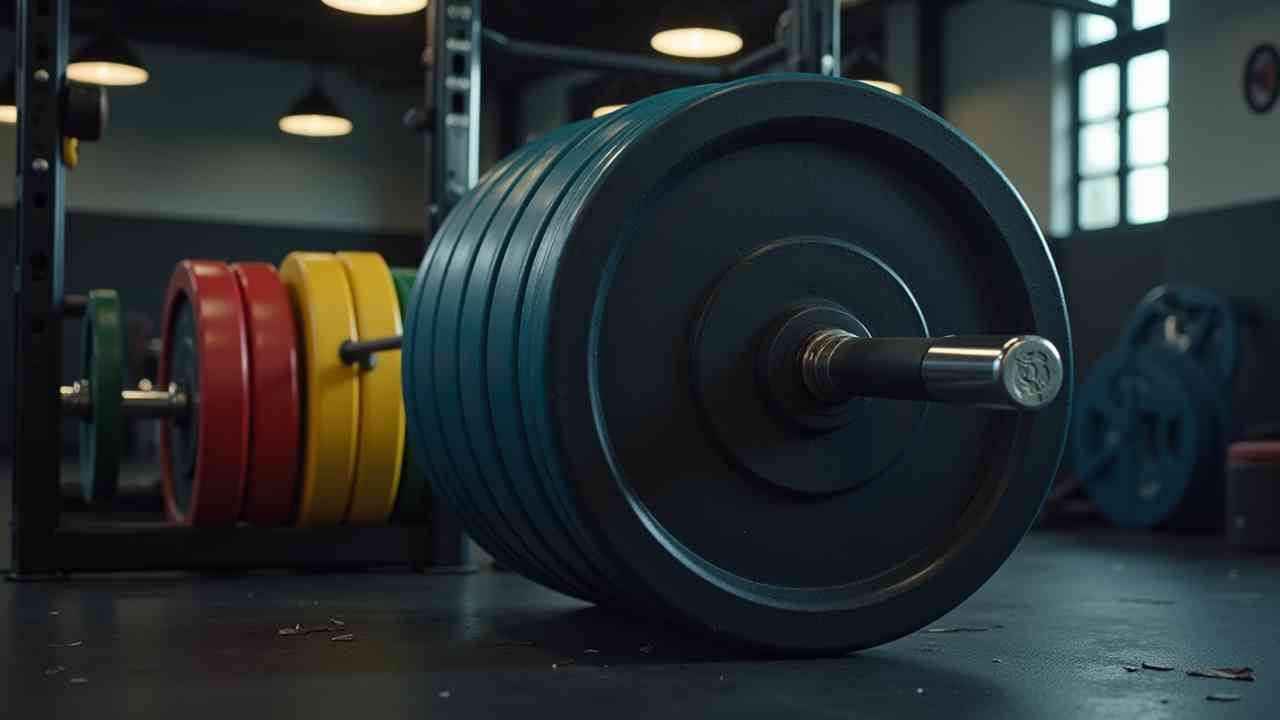
Bumper plates are made from solid, high-density rubber. They have a steel insert in the center for the 2-inch hole. Their primary advantage is that they can be safely dropped from overhead 💥. This is absolutely essential for practicing Olympic lifts (the snatch, clean and jerk). This feature is also popular in CrossFit workouts. Bumper plates are quieter than iron. They are typically color-coded based on weight for easy identification. The main disadvantage is their thickness. Rubber is less dense than iron, so the plates are wider. This limits the maximum amount of weight you can fit on the bar.
The Safety Component: Collars and Clips
Collars are the small devices that slide onto the barbell sleeves after the plates. Their sole purpose is to prevent the plates from sliding off the bar. This is a non-negotiable safety feature 🛡️. A shifting plate can cause a dangerous imbalance during a heavy lift. The most common types are spring clips. They are fast to use but can loosen over time. Locking collars (or lock-jaw collars) are more secure. They clamp down firmly on the sleeve and are preferred for heavy lifts.
Why Choose an Olympic Set Over a Standard Set?
Beginners often see cheaper "standard" sets with 1-inch holes. While tempting, Olympic sets are the superior long-term investment for safety and progress.
1. Higher Weight Capacity
An Olympic bar is rated to hold 700 to 1,500 pounds. A typical 1-inch standard bar can permanently bend or break with weights over 200 pounds. If you plan to get stronger, you must have an Olympic bar.
2. Durability and Stability
The 2-inch standard provides a much more stable and secure fit. Plates sit snugly on the sleeves. The bars themselves are made from high-tensile steel designed for heavy use. They are built to last a lifetime.
3. Universal Compatibility
The 2-inch standard is universal. Every commercial gym, power rack, squat stand, and bench press is built to fit an Olympic barbell. Buying an Olympic set ensures your equipment will be compatible with any future gear you purchase.
Key Exercises for Your Olympic Weights Set
An Olympic set is built for compound lifts. These are foundational movements that build whole-body strength. Focus on mastering these key exercises.
- The Squat: Works your quads, glutes, hamstrings, and core.
- The Deadlift: Builds the entire posterior chain (back, glutes, hamstrings).
- The Bench Press: Develops the chest, shoulders, and triceps.
- The Overhead Press: Creates strong, stable shoulders.
Conclusion: The Gold Standard Investment
An Olympic weights set is the true foundation of any serious home or commercial gym. Its superior durability, higher weight capacity, and universal standard make it the best long-term investment for your health. Focus on mastering the compound lifts with proper form. This set will provide you with a lifetime of strength gains 🌟.