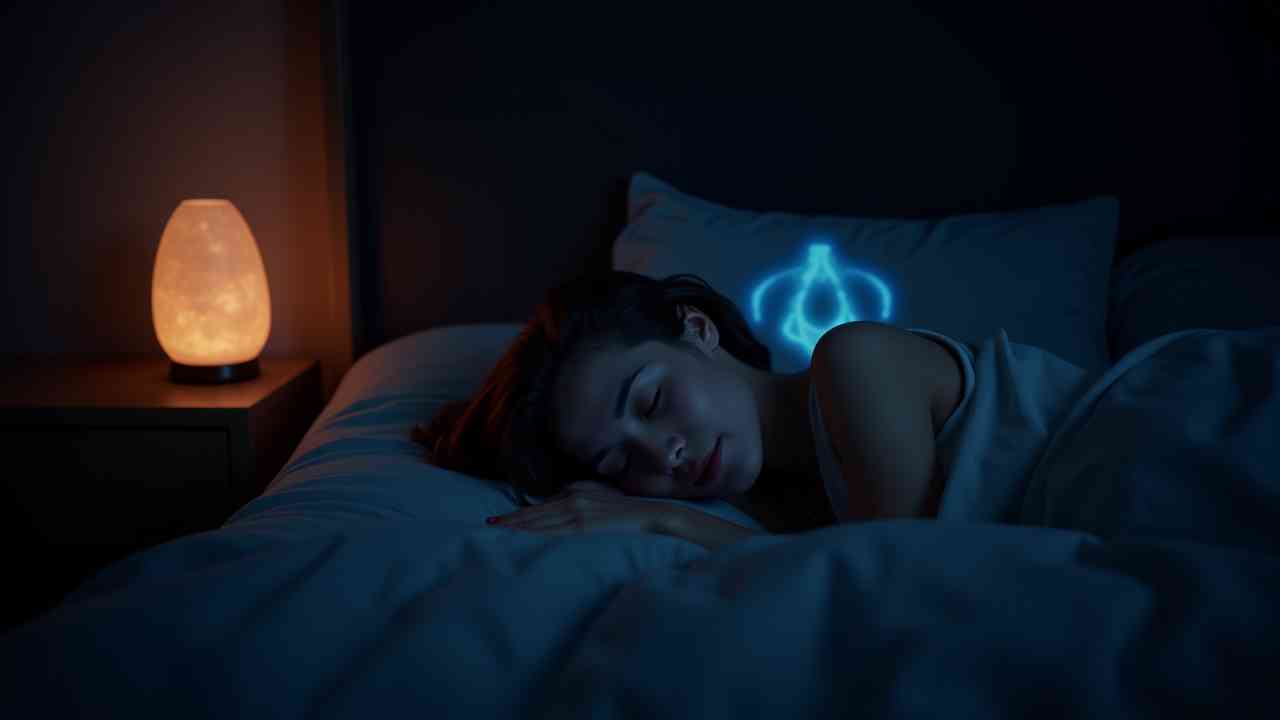
🧘♀️ Meditation for Anxiety and Sleep (Simple Nighttime Guide)
Do you find it hard to turn off your brain at night? 🤯 Anxiety is a major thief of sleep. Your mind starts racing the moment your head hits the pillow. This is a very common problem. The solution is often found in the simple practice of meditation for anxiety and sleep. Meditation is a powerful, non-pharmacological tool. It trains your mind to let go of worries. It calms your nervous system. This naturally prepares your body for deep rest. 😴 This guide will show you simple techniques. You can use them tonight. Let's explore how to use meditation for anxiety and sleep. You can reclaim your peace. ✨
🧠 How Meditation Calms Your Anxious Mind
Anxiety is often rooted in thoughts. These thoughts are usually about the future or the past. Meditation brings you to the present moment. This simple shift is incredibly powerful.
What Is the Science of the Nervous System?
Your body has two states. "Fight or flight" (sympathetic). And "rest and digest" (parasympathetic). Anxiety is the "fight or flight" state. Your heart rate is high. Your muscles are tense. Meditation activates the "rest and digest" state. It does this by using your breath. Slow, deep breathing sends a signal to your brain. It tells your body: "We are safe. We can rest now." This is the core reason why meditation for anxiety and sleep works. It changes your biology. 🔬
🧘♀️ 3 Simple Meditation Techniques for Sleep
You do not need to be an expert. You do not need to sit cross-legged. You can do these simple techniques right in your bed. These are perfect for quickly calming anxiety before sleep.
Technique 1: The 4-7-8 Breathing Method
This is a quick way to relax your nervous system. It is a perfect form of meditation for anxiety and sleep. It is a breathing exercise that slows your heart rate. ❤️ 1. Empty your lungs completely through your mouth. (Phew!)
2. Inhale gently through your nose for a slow count of 4.
3. Hold your breath for a count of 7.
4. Exhale completely through your mouth for a count of 8. Do this cycle only 4 times when you first start. Then, you can increase it. This long exhale is the key. It sends the "safe" signal to your brain. It forces your body to relax.
Technique 2: The Body Scan Meditation
Anxiety often causes physical tension. You might not even know it. Your shoulders might be tight. Your jaw might be clenched. This technique helps you find and release this tension. 1. Lie flat on your back. Close your eyes. Begin with a few deep breaths.
2. Focus all your attention on your toes. Notice how they feel. Wiggle them, and then fully relax them.
3. Slowly move your attention up your body. Move to your feet, then your ankles, and then your calves.
4. Continue up your body, section by section. Notice and relax your stomach, chest, shoulders, and jaw. 😌 By the time you reach your forehead, your whole body will be relaxed. This is a very effective form of meditation for anxiety and sleep.
Technique 3: The Anchor Phrase
This is a simple mantra. It is great for when your mind is racing. Instead of following the anxious thought, you replace it. You use a calming, neutral phrase. Choose a phrase like: "I am here. I am safe." Or, "Peace. Rest." Every time an anxious thought comes up, gently repeat your anchor phrase. Do not judge the thoughts. Just redirect your focus. This simple redirection is the heart of meditation. 💖
💡 How to Integrate Meditation into Your Routine
The best time for meditation for anxiety and sleep is right at bedtime. This makes it part of your sleep routine. This strengthens the habit.
Why Do It Away from the Phone?
You must turn off your screens. 📵 Blue light from phones stops your body from making melatonin. Melatonin is your sleep hormone. Do your meditation after you have put your phone away. Use a soft light, like a reading lamp.
The Power of Consistency
Meditation is a skill. It gets easier with practice. Do not expect perfect silence on the first night. Just keep practicing your breathing. Be patient with yourself. Consistency is the key to deep, restorative rest. ✨
✅ Can Meditation Replace Anxiety Medication?
No. Meditation is a complementary tool. If you are on medication, do not stop taking it. Always talk to your doctor first. Meditation is an excellent way to manage daily stress and improve sleep quality. It is a partner to your overall health plan. 🙏