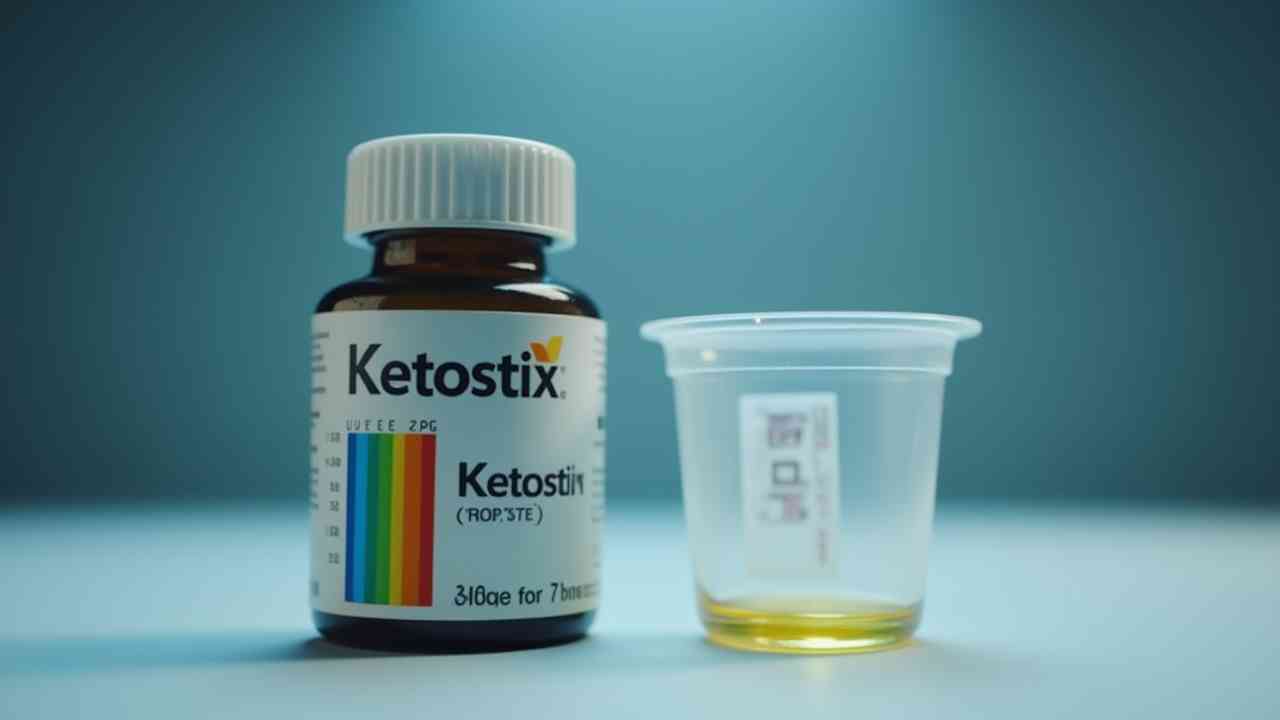
Keto Diet Strips: How to Test for Ketosis Safely 🧪💡
What Are Keto Diet Strips and How Do They Work?
Keto diet strips, commonly known by the brand name Ketostix, are a simple, over-the-counter tool. They are used to test for the presence of ketone bodies in the urine 🧪. Their primary function is providing beginners with initial confirmation that their low-carb diet has successfully induced the metabolic state of ketosis 🔑.
The Chemistry of Ketone Measurement
The strips are small pieces of paper or plastic coated with a chemical reagent, usually sodium nitroprusside. This chemical reacts with acetoacetate, one of the three main ketone bodies produced by the liver. When the strip is dipped in urine, the reagent changes color. The depth of the color (ranging from pink to deep purple) indicates the concentration of ketones present in the urine 📊.
The Critical Limitation Inaccuracy Over Time
While keto strips are affordable and convenient, they become increasingly unreliable and inaccurate after the initial few weeks of the diet. This limitation is tied directly to how your body processes ketones as it adapts to ketosis.
The Waste Product Problem
In the first few weeks of keto, your body produces a large excess of ketones. It excretes the unusable surplus into your urine. This is why the strips register a dark purple color initially. As your body becomes fat-adapted (metabolically efficient), it learns to utilize ketones better. This means less ketone is wasted in the urine 📉.
Inaccurate Readings
An adapted person may be in deep nutritional ketosis yet see a very light pink or even negative reading on the strip. This is often misinterpreted as falling out of ketosis. In reality, the body is simply being efficient. The strips measure ketone waste, not blood utilization, making them unreliable long-term ❌.
When and How to Use Keto Strips Safely
Keto strips are best used only during the initial two to four weeks of the diet. They serve as a quick, motivational confirmation that the severe carb restriction is working effectively.
Testing Protocol
The best time to test is typically afternoon or evening. Ketone levels often peak several hours after your last meal. Dip the strip briefly into a clean urine sample. Wait the prescribed time (usually 15 seconds) and compare the color to the chart on the bottle. The exact color is less important than simply confirming a positive reading 💡.
Superior Alternatives for Long-Term Monitoring
For accurate, continuous monitoring of ketosis, especially if you are using the diet for a therapeutic purpose, alternative methods are required.
Blood Ketone Meters (Gold Standard)
Blood ketone meters (like the Keto-Mojo) are the gold standard for accuracy 🩸. They measure beta-hydroxybutyrate (BHB), the ketone body utilized by the brain and muscles. These meters provide a precise number (mmol/L) that reflects your true metabolic state. Optimal nutritional ketosis is generally considered 1.5 to 3.0 mmol/L.
Conclusion: Use Strips for Starters Only
Keto diet strips are a simple, cost-effective tool for beginners to confirm ketosis initially. However, they become inaccurate once your body is fat-adapted. Use blood ketone meters for reliable, long-term monitoring 🌟.