How to Treat Fungal Acne: The Topical and Diet Plan 💊🧴
What is Fungal Acne? A Yeast Infection Misnomer
Fungal acne is a common skin condition, but its name is highly misleading. It is not true acne (which involves bacteria and oil). The correct medical term is Malassezia folliculitis 🔬. This is a yeast infection of the hair follicles. It is caused by an overgrowth of the naturally occurring Malassezia yeast (a type of fungus) 🦠.
Identifying the Symptoms
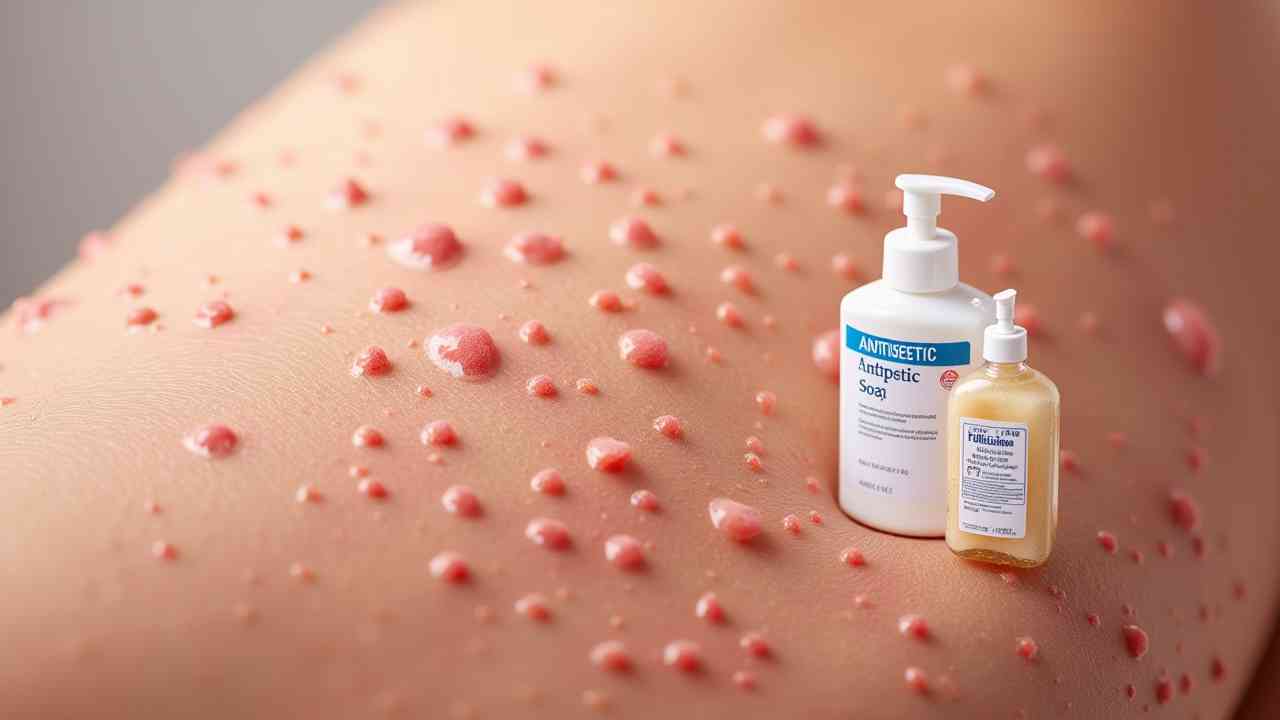
Fungal acne presents differently from typical acne. It usually appears as small, uniform, red bumps (papules and pustules). These bumps often occur on the chest, back, and shoulders, but can also appear on the face. Traditional acne treatments (like benzoyl peroxide or salicylic acid) are usually ineffective and can even worsen the condition ❌.
Step 1: Topical Antifungal Treatment
The most direct and effective way to treat fungal acne is by applying a topical product that kills the yeast. This treatment is often used in the form of a shampoo or body wash.
The Best Topical Agents
Use over the counter antifungal products containing ketoconazole or selenium sulfide. Ketoconazole is the active ingredient in prescription antifungal creams and dandruff shampoos (like Nizoral). Apply the product to the affected area (back, chest) and leave it on the skin for 5 to 10 minutes before rinsing. This extended contact time is crucial for killing the yeast effectively 🧴.
Other Effective Ingredients
Other compliant products include cleansers containing zinc pyrithione (a common anti-dandruff ingredient). These can be used as a daily body wash to keep the yeast population under control. Apply the topical treatment daily for several weeks for the best results.
Step 2: Dietary Elimination Starving the Yeast
Dietary changes are an important supplementary tool for treating chronic fungal acne. The Malassezia yeast thrives on specific nutrients, which must be strictly restricted. This involves limiting certain fats and sugars 💡.
Restricting Yeast's Fuel Sources
The Malassezia yeast primarily feeds on long chain fatty acids (found in oils) and simple carbohydrates. Therefore, the diet must be low in both. This requires eliminating highly refined and processed foods. Specifically avoid foods that are fermented or rich in simple sugars 🍬.
- Limit Sugar and Refined Carbs: Strictly eliminate added sugars, refined flour, and processed snacks.
- Avoid High-Fat Oils: Limit excessive use of oils (especially olive oil and some seed oils) in cooking.
- Avoid Yeast-Containing Foods: Minimize consumption of high-yeast products like bread, beer, and high-fat cheeses.
Step 3: Lifestyle and Product Review
Fungal acne thrives in warm, moist environments. Adjusting clothing and hygiene habits is necessary to prevent recurrence 🧼.
Minimize Sweat and Friction
Shower immediately after any intense physical activity or sweating. Change out of sweaty workout clothes promptly 🏃. Sweat creates the ideal warm, moist environment for yeast growth. Wear loose, breathable cotton clothing over affected areas.
Review Skincare Products
Ensure all your skincare products (moisturizers, sunscreens) are Malassezia-safe. Avoid products containing long chain fatty acids or oils that feed the yeast. Look for products that are formulated specifically for fungal acne or that are oil-free.
Conclusion: Antifungal and Diet Control
Fungal acne treatment requires a dual approach. Use antifungal topicals (ketoconazole/selenium sulfide) to kill the existing yeast. Simultaneously, adopt a low-sugar, low-fat diet to starve the yeast and prevent recurrence. Consistency is the key to clear, healthy skin 🌟.