🔍 How to Read Skincare Ingredient Lists (A Beginner's Guide)
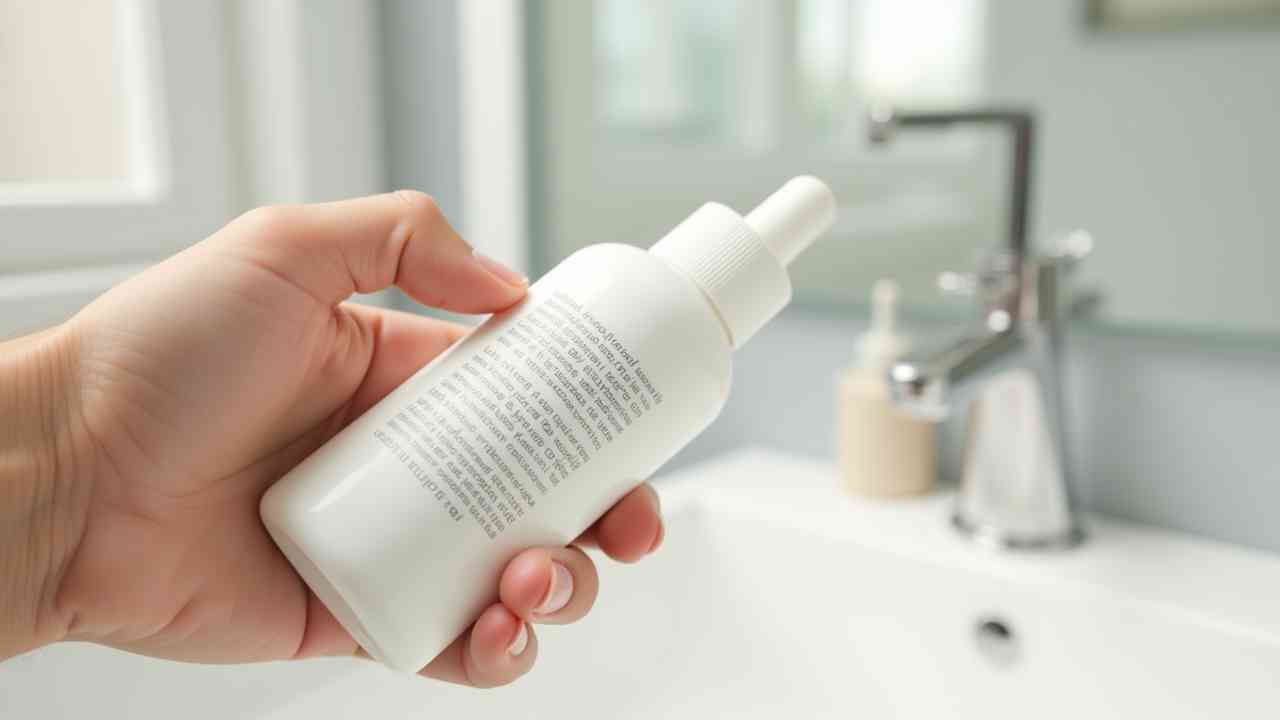
Are you confused by your skincare bottles? 🤔 Reading a skincare ingredient list can feel like reading a foreign language. You see long, complex, chemical-sounding names. It is very intimidating. But this is the most important skill in skincare. How to read skincare ingredient lists is the key. It is the only way to know what you are really buying. It helps you avoid irritants. It also helps you find products that actually work. This guide will make it simple. We will decode the list. You will learn the simple rules to become a skincare expert. 🧑🔬
🧪 What Is the INCI List?
First, what is that weird language? The list of ingredients on a product is called the INCI list. INCI stands for International Nomenclature of Cosmetic Ingredients. This is a global, standardized system. It uses scientific names (like Latin or chemical names). This ensures everyone, everywhere, can identify the same ingredient. "Water" is always listed as "Aqua." "Shea butter" is "Butyrospermum Parkii." You do not need to memorize these names. But you should know that this is why they look so complex. It is a good, regulated system.
📉 What Is the Most Important Rule of the Ingredient List?
This is the number one rule. How to read skincare ingredient lists is all about this. Ingredients are listed in a specific order. They are listed from highest concentration to lowest concentration. The first 5-7 ingredients are the main "base" of the product. This is what the product is mostly made of. The very first ingredient is usually "Aqua" (water). This means the product is mostly water. 💧 This rule is your power. You can see what the product really is. Is that "magic" ingredient listed first? Or is it listed last? This tells you how powerful it will be.
✨ What Is the Famous \"1% Line\"?
This is a key secret to how to read skincare ingredient lists. This "highest to lowest" rule has one big exception. This is the "1% line." Any ingredient with a concentration of 1% or less can be listed in any order. They are listed after the ingredients that are over 1%. This is usually where you find preservatives. (Like Phenoxyethanol). It is also where you find fragrance. How do you spot this line? Look for a preservative. (e.g., Phenoxyethanol, Potassium Sorbate). Any ingredient listed after that preservative is likely at a 1% or lower concentration. This is a crucial trick. 💡
🎯 How Do You Spot the \"Active\" Ingredients?
These are the "hero" ingredients. These are the ones that do the work. This is the Vitamin C, Retinol, or Hyaluronic Acid. This is why you are buying the product. Look for these in the list. Where are they? Are they in the top 5? That is great. Are they after the 1% line? That means there is very little of it. It might not be effective at all. 😥 This is how to read skincare ingredient lists like a pro. You can see if a product is telling the truth. If a product is a "Vitamin C Serum," Vitamin C (Ascorbic Acid) should be high on the list. It should be before the 1% line.
🚫 How Do You Spot Common Irritants?
This is just as important. Your skin might be sensitive. The ingredient list is your best defense. You can spot the ingredients that might cause redness or breakouts.
How Do You Find Fragrance?
Fragrance is the number one skin irritant. You should avoid it. 🛑 It is often hidden. Look for these words on the list: "Fragrance" or "Parfum": This is the obvious one.
Essential Oils: "Lavender Oil," "Citrus Oil," "Peppermint Oil." These are natural, but very irritating.
Fragrance Components: "Linalool," "Geraniol," "Limonene." These are parts of fragrance. They must be listed if they are present. Avoid them.
What About Drying Alcohols?
Some alcohols are bad for your skin. They are very drying. They can damage your skin barrier. Look for these near the top of the list: "Alcohol Denat." (Denatured Alcohol)
"SD Alcohol"
"Isopropyl Alcohol" Do not be afraid of all alcohols. "Fatty alcohols" are different. (Like Cetearyl Alcohol). These are good, waxy ingredients. They are great for moisturizing. They are not the same.
🧑⚖️ The Final Verdict: Why Is This Skill So Important?
How to read skincare ingredient lists is your superpower. It is the only way to cut through the marketing hype. A product can have a beautiful bottle. It can have amazing claims. But the ingredient list never lies. Start practicing today. Pick up your favorite product. Can you find the top 5 ingredients? Can you find the "1% line"? Can you find the active ingredients? This simple skill saves you money. It saves you from bad products. And it helps you find the products that will truly change your skin. ✨