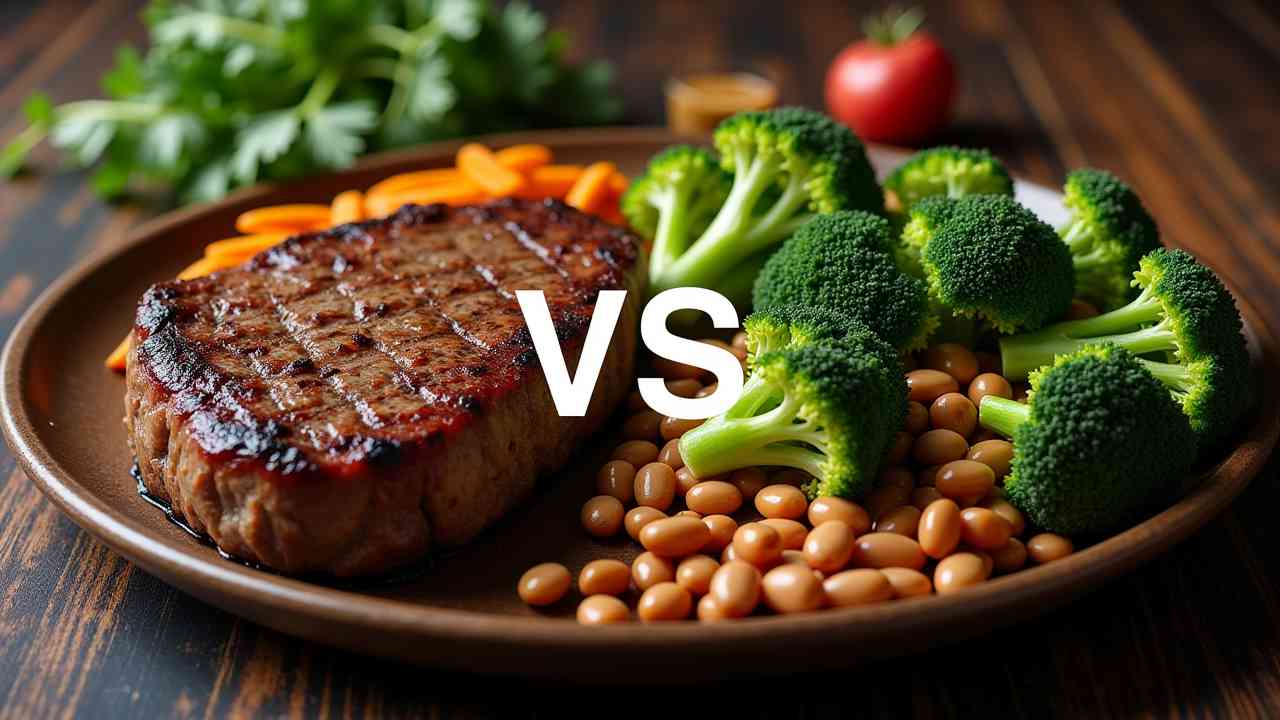
High Protein Diet & Constipation? 🥦🚫
Yes, a High-Protein Diet Can Cause Constipation
You have started a new high-protein diet. 🥩 You are feeling great. You are building muscle. 💪 You are losing fat. The diet is working. But... there is a problem. A "clog." 😫 You are feeling blocked up. You are constipated. You cannot go to the bathroom. 🚽 This is an extremely common side effect. It is the #1 complaint. You start to wonder, "Is all this protein bad for me?" "Is the meat clogging my digestive system?" The answer is a little complicated. It is yes and no. The protein itself is not the villain. The lack of another food is the problem. This is a diet problem. It is a problem of balance. ⚖️ This guide will explain the real cause of your constipation. We will show you how to fix it fast. 💡
The #1 Cause: Lack of Fiber 🥦
This is the main reason. It is the cause 99% of the time. A "high-protein diet" is often just a low-fiber diet in disguise. 🕵️ Let's think about your new diet. Where are you getting your protein? 🧐 You are eating chicken breast. You are eating steak. 🥩 You are eating eggs. You are eating fish. 🍳 You are eating Greek yogurt or cottage cheese. 🧀 Now, how much fiber is in those foods? Zero. None. Zilch. Animal products contain zero dietary fiber. 🚫 Now, where do you get fiber from? Plants. Fiber is a plant-based carbohydrate. Your body cannot digest it. It is the "roughage." It is the "broom" for your gut. 🧹 You get it from oats, beans, fruits, and vegetables. 🍎 When you started your high-protein diet... what did you stop eating? You probably cut back on bread. You cut back on pasta. You cut back on oatmeal. You cut back on rice and potatoes. You replaced all your high-fiber carb sources... ...with zero-fiber protein sources. 🔄 You have taken the "broom" out of your digestive system. Without fiber, your entire gut motility slows down. 🐢 The food just sits there. This is the clog.
How Fiber Prevents Constipation (The Science)
Why is fiber so essential? Why is a lack of it so bad? Fiber's job is to manage your stool. 💩 It is the "poop architect." It does two main jobs.
1. Insoluble Fiber (The "Broom")
This type of fiber does not dissolve in water. It is the tough, stringy stuff. It is in vegetable skins, nuts, and wheat bran. This fiber is the "bulk" for your stool. 🧱 It makes your stool large, heavy, and solid. Your colon is a big muscle. It is designed to "grab" onto bulk. It pushes it along. This is called "peristalsis." If you have no fiber, you have no bulk. Your stool is small, hard, and dry. (Like rabbit pellets). Your colon cannot grab these pellets. It is very hard to move them. This is constipation.
2. Soluble Fiber (The "Gel")
This type of fiber does dissolve in water. 💧 It is found in oats, beans, apples, and psyllium. In your gut, this fiber absorbs water. It forms a thick, soft, slippery gel. 🧽 This gel is the opposite of a clog. It is a lubricant. It mixes with the insoluble fiber (the bulk). It makes the stool soft. It makes it easy to pass. This is the perfect bowel movement. It has bulk from insoluble fiber. It has softness from soluble fiber. A high-protein diet often has neither. You have no bulk. You have no gel. 🚫 You are left with small, hard, dry rocks. This is painful. This is constipation.
The #2 Cause: Dehydration 💧
This is the second major factor. It is just as important. A high-protein diet can be very dehydrating. 🏜️ This is a fact of biology. There are two reasons for this.
1. Flushing Nitrogen (Urea)
Protein is made of amino acids. Amino acids contain nitrogen. 🧪 Your body loves protein. But high levels of nitrogen are toxic. Your body must get rid of this extra nitrogen. This is a critical job. Your liver converts the nitrogen into a safe compound. This is called urea. 🧬 Your kidneys then filter this urea out of your blood. They put it in your urine. This is the "pee" in "pee." To do this, your kidneys need extra water. They must dilute the urea. They need water to flush this waste out. On a high-protein diet, you will urinate more. You are flushing all that nitrogen waste. If you do not drink more water to replace this loss... ...you will become dehydrated.
2. The Colon Steals Water
So, you are now dehydrated. 🥵 Your body panics. It needs water. It will find it anywhere it can. The #1 "water reservoir" it can tap is your large intestine. Your colon's job is to reabsorb water from food waste. If your body is dehydrated, your colon goes into overdrive. It will suck every last drop of moisture from your stool. This turns your poop into a hard, dry "brick." 🧱 This is the "double-whammy" of a bad high-protein diet: 1. No Fiber = No bulk. 2. No Water = Dry brick. This is a recipe for a painful, serious clog.
The Keto & Carnivore Connection
This problem is worst on specific high-protein diets. These are the diets that also restrict carbohydrates. Low-carb = low-fiber, by definition. Carbs are where fiber lives.
The Keto Diet Problem 🥑
On a ketogenic diet, you cut carbs to almost zero. (Under 50g). This means you must stop eating:
- Oats
- Beans
- Lentils
- Fruits (like apples and bananas) 🍎
- Starchy vegetables (like potatoes)
- Non-starchy vegetables (broccoli, cauliflower) 🥦
- Avocados (a fiber superstar!) 🥑
- Nuts and seeds (chia, flax) 🌰
The Carnivore Diet Problem 🥩
This is the most extreme example. The carnivore diet is zero fiber. Zero. You eat only meat, fat, and eggs. There are no plants. No brooms. No gels. Constipation is a guaranteed side effect. At least for the first few weeks. The body is in shock. The solution for carnivores is different. They cannot add fiber. So, they must add huge amounts of fat. 🧈 The fat (like rendered tallow or butter) must act as the lubricant. It is a different, more extreme solution. But the problem is the same: no fiber.
The 5-Step Plan to Fix High-Protein Constipation
Okay, you are constipated. You need a plan. How do you fix it? 💡 The fix is simple. We must add back what you took away. Fiber and Water. This is your 5-step action plan. Start this today.
1. EAT YOUR VEGETABLES. (The #1 Fix) 🥦
This is the most important rule. You are not a carnivore. You are an omnivore. You must eat your veggies. Your plate should be balanced. It cannot be 100% chicken breast. A healthy plate is: 50% lean protein + 50% fibrous vegetables. You must eat non-starchy vegetables at every single meal. Good choices include:
- Broccoli
- Cauliflower
- Asparagus
- Green Beans
- Brussels Sprouts
2. EAT AVOCADO & SEEDS. (The "Gel" Fix) 🥑
You need soluble fiber, too. The gel. The best keto-friendly sources are seeds and avocados. They are high-fat and high-fiber. They are perfect. Avocado: One whole avocado has 14 grams of fiber! It is a perfect food. Eat half an avocado every day. Chia Seeds: These are a fiber bomb. Two tablespoons have 10g of fiber. It is almost all soluble fiber. The Hack: Make a "Keto Fiber Pudding." Mix 2 tbsp of chia seeds. Add 1 cup of unsweetened almond milk. Stir it. Let it sit for 2 hours. It will form a thick, tapioca-like pudding. Eat this. Your gut will thank you. 🙏 Flax Seeds (Ground): Add ground flax to a protein shake. It adds fiber and healthy omega-3 fats.
3. DRINK MORE WATER. (The Non-Negotiable) 💧
This is mandatory. You cannot skip this. You are eating more protein. You must drink more water. You need water to flush the urea. You need water to feed the fiber. The fiber needs water to form the soft gel. If you add fiber (a dry sponge) but no water... you will make a cement brick. 🧱 You will make your constipation worse. This is a critical error. Rule: Drink a glass of water with your fiber. And drink more all day. Aim for a minimum of 3-4 liters of water per day. (10-12 glasses). Your urine should be pale yellow. Not dark.
4. ADD A FIBER SUPPLEMENT. (The "Reset" Button) 💊
You are still stuck. You need help now. You can use a supplement. The best, safest, and most keto-friendly supplement is Psyllium Husk. (The main ingredient in Metamucil). Psyllium is 100% pure soluble fiber. It is zero-carb. It is just a gel-forming super-sponge. 🧽 How to Use It: Take one teaspoon of psyllium husk powder. Mix it into a large (8-10 oz) glass of water. Stir it fast. Drink it immediately. (In 30 seconds). If you wait, it will turn into a gel in your cup. You must drink it fast. CRITICAL: You must drink another full glass of plain water right after. This gives the psyllium the water it needs. It will turn into a soft, slippery gel inside your gut. It will push everything out gently. Do this once a day. This will solve the problem.
5. MOVE YOUR BODY. (The Final Step) 🏃
A sedentary lifestyle makes your gut sedentary. Sleeping Movement (motility) is tied to movement. Lying on the couch all day makes your gut "sleepy," too. You must move your body. The physical motion of exercise stimulates your intestines. It is called "peristalsis." Go for a 30-minute walk. Do some bodyweight squats. Jump rope. T The physical compression and movement... ...massages your colon. It helps move things along. A simple walk can solve a simple clog.
Conclusion: The Problem is NOT the Protein
So, can a high-protein diet cause constipation? Yes. But it is an indirect cause. The protein is not the villain. The protein is good. The problem is the lack of fiber that you are eating with it. And the dehydration that it causes. You cannot just eat protein. You are not a lion. You are an omnivore. You must have balance. Y The solution is simple. Balance your plate. ⚖️ Eat your steak. But you MUST eat your salad. Eat your chicken. But you MUST eat your broccoli. 🥦 Balance your high-protein with high-fiber. Drink a ton of water. 💧
This is the secret. This is how you build muscle. How you lose fat. And how you stay healthy and regular. Every single day. 🌟