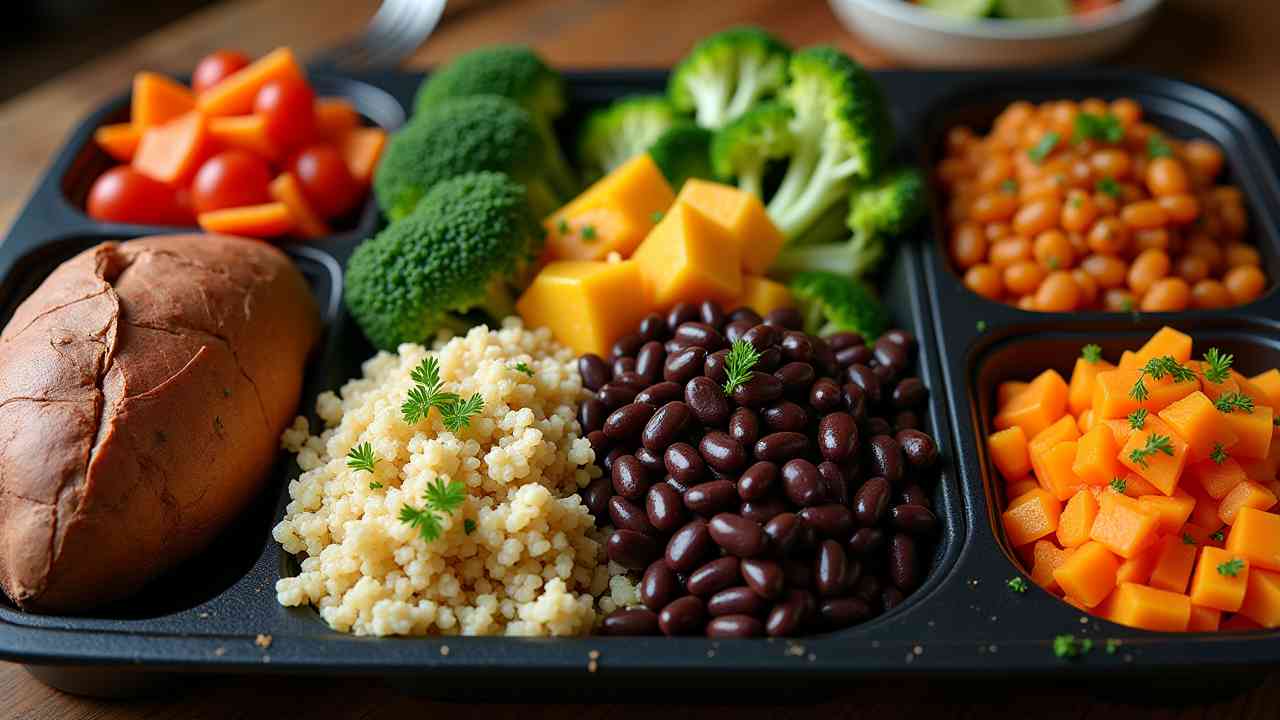
Gluten-Free Vegan Food: The Ultimate Nutrient-Dense List 🌱❌🍞
The Foundational Challenge Dual Dietary Restriction
The combination of a Gluten-Free (GF) and Vegan diet is one of the most restrictive eating patterns. The challenge lies in eliminating two major, staple food groups simultaneously ❌. The diet removes all animal products (meat, dairy, eggs) and all gluten-containing grains (wheat, barley, rye).
This dual restriction requires careful planning. You must ensure the intake of complete protein, iron, calcium, and Vitamin B12. Relying solely on processed GF vegan foods can lead to nutrient deficiencies and poor health outcomes ⚠️.
Pillar 1: Complete Protein Sources
Protein is the most crucial nutrient to manage on this combined diet. Since meat is eliminated, focus on the few plant sources that offer a complete amino acid profile.
Soy Products and Legumes
Tofu and Tempeh are non-negotiable staples. They are both gluten-free and complete plant proteins 🔑. They should be the foundation of meals. Legumes (beans, lentils, chickpeas) are high in protein and fiber. Pair them with pseudo-grains like quinoa to ensure full amino acid coverage 🌿.
Pseudo-Grains and Seeds
Quinoa is a gluten-free pseudo-grain that is a complete protein. It is essential for replacing traditional wheat and rice. Hemp seeds and chia seeds provide ample protein and heart-healthy Omega-3 fatty acids. Use these seeds to fortify smoothies and porridges effectively.
Pillar 2: Complex Carbohydrates and Flours (GF Compliant)
The diet eliminates most common grains. Focus on alternative starches and flours that provide energy and fiber. This maintains gut health successfully.
Allowed Grains and Starches
Choose whole, naturally gluten-free grains. Brown rice, wild rice, millet, and pure corn (not corn flour with additives) are compliant. Sweet potatoes and yams are excellent starchy tubers that provide complex carbs and Vitamin A 🍠. Avoid highly processed gluten-free breads and pastas, which often lack fiber.
GF Baking Flours
For baking, substitute wheat flour with high-protein, nutrient-dense alternatives. Almond flour, coconut flour, and chickpea flour are the best options. These flours add protein and fat to baked goods effectively 🥥.
Pillar 3: Critical Micronutrient Management
This combined diet creates specific risks for certain micronutrient deficiencies. Active supplementation and intentional food choices are mandatory for long-term health 💊.
Iron and B12
Vitamin B12 is exclusively found in animal products. Supplementation is mandatory for all vegans. Iron deficiency is common due to the removal of meat. Consume iron-rich foods like lentils, black beans, and dark leafy greens. Pair these with Vitamin C (citrus, bell peppers) to boost iron absorption significantly 🍊.
Calcium and Omega-3s
Replace dairy calcium with fortified plant milks (almond or soy) and high-calcium vegetables (broccoli, kale). Ensure adequate intake of Omega-3s (DHA/EPA) from algae oil supplements 🧠. This supports brain and cardiovascular health effectively.
Conclusion: Focus on Diversity and Fortification
The Gluten-Free Vegan diet is highly viable when planned meticulously. The foundation must be laid with tofu, tempeh, and a blend of legumes/quinoa. Active supplementation of Vitamin B12 and conscious sourcing of iron are non-negotiable for success 🌟.