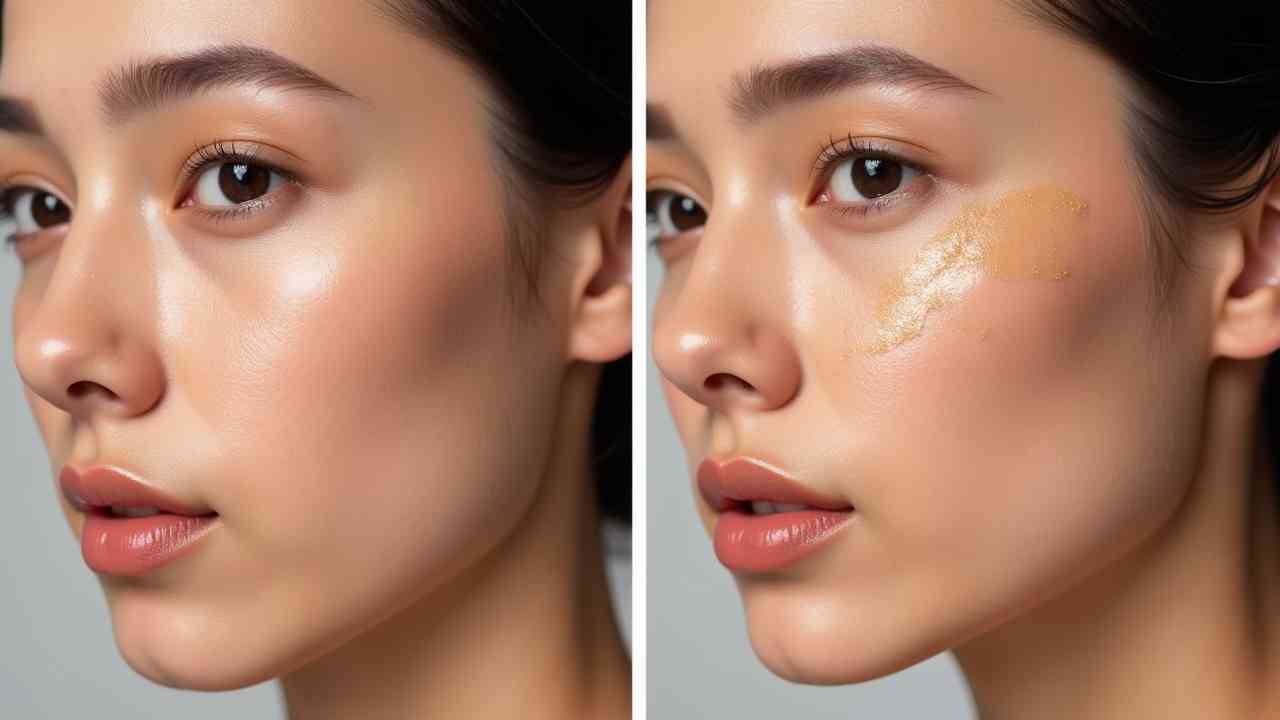
Foundation for Dry Skin: Get a Dewy, Flawless Glow ✨
The Dry Skin Foundation Challenge
Finding a foundation for dry skin is hard. 😫 It is one of the biggest makeup frustrations. You want a smooth, flawless finish. Instead, your makeup looks patchy. It looks dry and cakey. Foundation clings to every dry patch. It cracks into fine lines. By noon, your skin feels tight and uncomfortable. 🏜️ This guide is your complete solution. ✨ We will show you how to choose a foundation. A foundation that works with your dry skin. Not against it. We will cover skin prep. We will cover ingredients. We will cover the best application hacks. You can achieve a dewy, radiant, hydrated glow. 🌟
Why Foundation Clings to Dry Skin
You must understand the root cause. Dry skin is not just "skin without water." It is skin that lacks sebum. 💧 Sebum is your skin's natural oil. It is your natural moisturizer. This oil creates a smooth, supple surface. It also locks in moisture. Without this oil, your skin barrier is weak. 🛡️ Water evaporates easily. This is called TEWL. Your skin cells become dehydrated. They dry up. They start to flake off. 🍂 When you apply foundation, what happens? The liquid from the makeup absorbs instantly. It is sucked into the dry skin. The pigment is left behind. 🎨 This dry pigment has nothing to blend into. It just sits on top. It sticks to the flaky, dead skin cells. This is what we call "caking." The makeup looks textured. It emphasizes every single flaw. The wrong foundation makes skin look drier.
Rule #1: Prep is More Important Than the Product
This is the golden rule. 🔑 You can buy a 100 hydrating foundation. If you put it on dry, unprepared skin, it will look bad. A 15 drugstore foundation can look amazing... if your skin is prepped correctly. Your makeup is only as good as the canvas underneath. 🖌️ You must create a smooth, hydrated canvas. This has three steps.
Step 1. Gentle Exfoliation (The Canvas)
You cannot paint on a lumpy canvas. You must gently remove the flaky, dead skin. Do not use a harsh, gritty scrub. 🚫 Harsh scrubs (like apricot or nut scrubs) are too aggressive. They will tear your delicate, dry skin. This makes the barrier worse. You need a chemical exfoliant. 🧪 This sounds scary. It is not. It is much gentler. Use an acid. An AHA (Alpha Hydroxy Acid) is best for dry skin. Look for Lactic Acid or Mandelic Acid. These acids are gentle. They are also hydrating. They dissolve the "glue" that holds dead skin cells. The flakes melt away. Use a gentle 5% Lactic Acid serum. Use it at night, 2-3 times a week. 🌙 This creates a smooth, fresh surface. Your foundation will glide on.
Step 2. Hydration (The Plumping)
Now your skin is smooth. You must plump it with water. This is the job of a humectant. 💧 A humectant is a moisture magnet. 🧲 The best one is Hyaluronic Acid (HA). HA can hold 1,000 times its weight in water. The Hack: Apply HA serum to DAMP skin. After you wash your face, do not dry it. Leave it damp. Apply your HA serum. It will pull that water into your skin. This plumps the skin from within. It fills in fine lines. ✨
Step 3. Moisturize (The Seal)
Your skin is now plump. You must lock it in. This is the most critical step before makeup. You need a high-quality moisturizer. It must act as a primer. Your moisturizer needs two things: 1. Emollients: These are fats and oils. They soften the skin. (e.g., Shea Butter, Squalane). 🧈 2. Occlusives: These are sealants. They create a physical barrier. They stop water from escaping. (e.g., Petrolatum, Dimethicone). Look for a thick cream. Look for Ceramides. 💡 Ceramides are the natural "cement" of your skin barrier. A ceramide-rich cream (like CeraVe or SkinCeuticals) is perfect. Apply your moisturizer. Let it sink in for 5 to 10 minutes. ⏳ This is the final, most important hack. Do not apply foundation immediately. 🚫 Let the moisturizer fully absorb. Let it create a smooth, tacky "primer" layer. Now, your canvas is ready. Your skin is smooth, plump, and sealed. Now, we choose the paint.
What to Look For in a Foundation for Dry Skin
The label is your best friend. 🏷️ You are not just buying a color. You are buying a formula. Your foundation should be a skincare-makeup hybrid. It should be an extension of your moisturizer. Look for these magic words on the bottle:
- "Hydrating"
- "Luminous"
- "Radiant"
- "Dewy Finish"
The Ingredient Checklist:
1. Hyaluronic Acid (HA): This is the #1 hydrator. It continues to pull moisture to your skin all day long. 2. Glycerin: This is a classic, powerful humectant. It is cheap and effective. It makes the foundation feel smooth and moist. 3. Squalane or Plant Oils: Squalane (from olives) is an amazing emollient. It mimics your skin's natural sebum. It does not feel greasy. 🥑 Other oils (like Jojoba, Argan, or Marula) are also fantastic. They provide nourishment and a dewy glow. 4. Ceramides: Some high-end foundations now include ceramides. This is a huge bonus. It helps repair your skin barrier while you wear it. 5. Vitamin E (Tocopherol): This is a great antioxidant. It is also an oil. It helps moisturize and protect the skin. 🌿
The Best Foundation Formulas for Dry Skin
The texture of the product matters. 🎨 A thick, dry product will cake. A thin, hydrating product will melt in.
1. Serum Foundations
This is a top-tier choice for dry skin. ✨ It is a new, hybrid category. It is a skincare serum... with pigment added. The texture is thin. It is watery or oily (in a good way). It feels weightless. It provides a sheer, "your skin but better" look. It offers light to medium coverage. It is perfect for evening out skin tone. It never looks heavy. It gives a beautiful, dewy glow.
2. Hydrating Liquid Foundations
This is the most common choice. 🧴 Look for a liquid foundation labeled "Luminous" or "Radiant." These formulas are packed with glycerin and oils. They are designed to not set down completely matte. They give a satin or dewy finish. They are buildable. You can get medium to full coverage from them. They are the workhorse for dry skin.
3. Cream Foundations
Cream foundations are the thickest. They are very rich. They are often sold in a compact or a stick. 💄 They are high in oils and waxes. This makes them very emollient. They are great for very dry, mature skin. They offer full, high coverage. They can cover redness or dark spots. The trick? You must blend them well. And you must set them lightly. They can sometimes feel heavy if over-applied.
What to AVOID: The "Enemies" of Dry Skin 🚫
What you don't buy is as important as what you do buy. You must avoid these ingredients. They will ruin your flawless look.
1. Matte Formulas (The #1 Enemy)
Stay away from any foundation labeled "Matte." 🛑 Also avoid "Oil-Control" or "24-Hour Wear." These formulas are designed for oily skin. They contain powders. They contain alcohol. Their job is to absorb every last drop of oil on your face. 🏜️ You do not have any oil! So what does it do? It sucks the moisture from your skin. It makes you feel tight. It looks like a dry, chalky mask. It is a disaster. Avoid at all costs.
2. Powder Foundations
This is a very difficult product for dry skin. 😥 A powder foundation is just pure pigment and powder. It has no liquid. It will instantly cling to every dry patch. It will settle in every fine line. It will make you look 10 years older. If you must use a powder, use a hydrating pressed powder. Use it very lightly. And only on your T-zone. Never on your cheeks.
3. Alcohol (Denat.) in the Ingredients
Read the ingredient list. 📜 If "Alcohol Denat." (denatured alcohol) is in the top 5 ingredients, put it down. This is a drying alcohol. It is used to make a formula feel "weightless." It helps it dry down fast. This is the opposite of what you need. It will dehydrate your skin. It will damage your skin barrier. (Note: "Fatty alcohols" like Cetyl Alcohol are different. They are good. They are waxy moisturizers.)
Application Hacks for a Flawless Finish
You have prepped your skin. You have your hydrating foundation. Now, how do you apply it? The tool you use is critical. 🖌️
The Best Tool: A Damp Makeup Sponge
This is the #1 tool for a dry-skin glow. ✨ A damp makeup sponge (like a Beautyblender) is a lifesaver. How to Use It: 1. Run the sponge under water until it is fully swollen. 2. Squeeze out all the excess water. Wrap it in a towel. Squeeze it again. It should be damp, not wet. 3. Put your foundation on the back of your hand. 4. Dip the damp sponge into the product. 5. Apply the foundation to your face. Use stippling or bouncing motions. (Tap, tap, tap). Do not wipe or drag. 🚫 Why this works: The damp sponge does two things. First, it sheers the product out. This creates a thin, natural layer. It prevents caking. Second, it adds one final layer of hydration. 💧 It presses the water from the sponge into your skin. It melts the foundation into your moisturizer. The result is a seamless, dewy, "real-skin" finish. It is the best hack.
The Second Best Tool: Your Fingers
Using your clean fingers is also a great option. 👐 The natural warmth from your hands... heats the oils in the foundation. This "melts" the product. It helps it blend into your skin. It gives a very natural, smooth finish. It is better than a brush. 👇
The Tool to Avoid: A Stiff Foundation Brush
Be careful with foundation brushes. 🖌️ Many brushes (especially stiff, dense ones) are bad for dry skin. The stiff bristles act like a small broom. They "sweep" the foundation. This can lift up your dry, flaky skin. It creates a streaky, patchy look. If you must use a brush, use a soft, fluffy "stippling" brush. And use a patting motion, not a rubbing one.
To Set or Not to Set? (The Powder Question)
This is a major dilemma for dry skin. You want your makeup to last. But you hate powder. The Rule: Do not set your whole face. 🙅 You do not need to. You are not oily. Your foundation will "set" on its own. It will merge with your skin. Only apply powder where you need it. This is usually for crease-prone areas. Use a tiny, fluffy brush. Tap a small amount of translucent setting powder. Tap it only under your eyes. Tap it in your smile lines. Tap it between your brows. Leave the rest of your face (cheeks, forehead) dewy and fresh. ✨ The Final Hack: Use a Hydrating Setting Spray. 💦 This is your final step. A good hydrating mist is key. Look for a spray with glycerin, aloe, or rosewater. After all your makeup is done, mist your face. This spray melts all the layers together. It removes any "powdery" look. It adds one last boost of hydration. It leaves you looking radiant.
Conclusion: Prep, Product, and Application
Finding the best foundation for dry skin is a 3-part system. 🌟 1. Prep: You must exfoliate and moisturize. Your canvas must be smooth and sealed. This is the most important step. 2. Product: Choose a hydrating, luminous, or serum foundation. Look for Hyaluronic Acid, Glycerin, and Squalane. Avoid matte formulas and drying alcohol. 3. Application: Use a damp makeup sponge. Pat and bounce the product. Do not wipe. Set only where you crease. Finish with a hydrating mist. Follow these steps. You will end the battle with dry skin. You will have a flawless, radiant, and comfortable finish. All day long. 💖