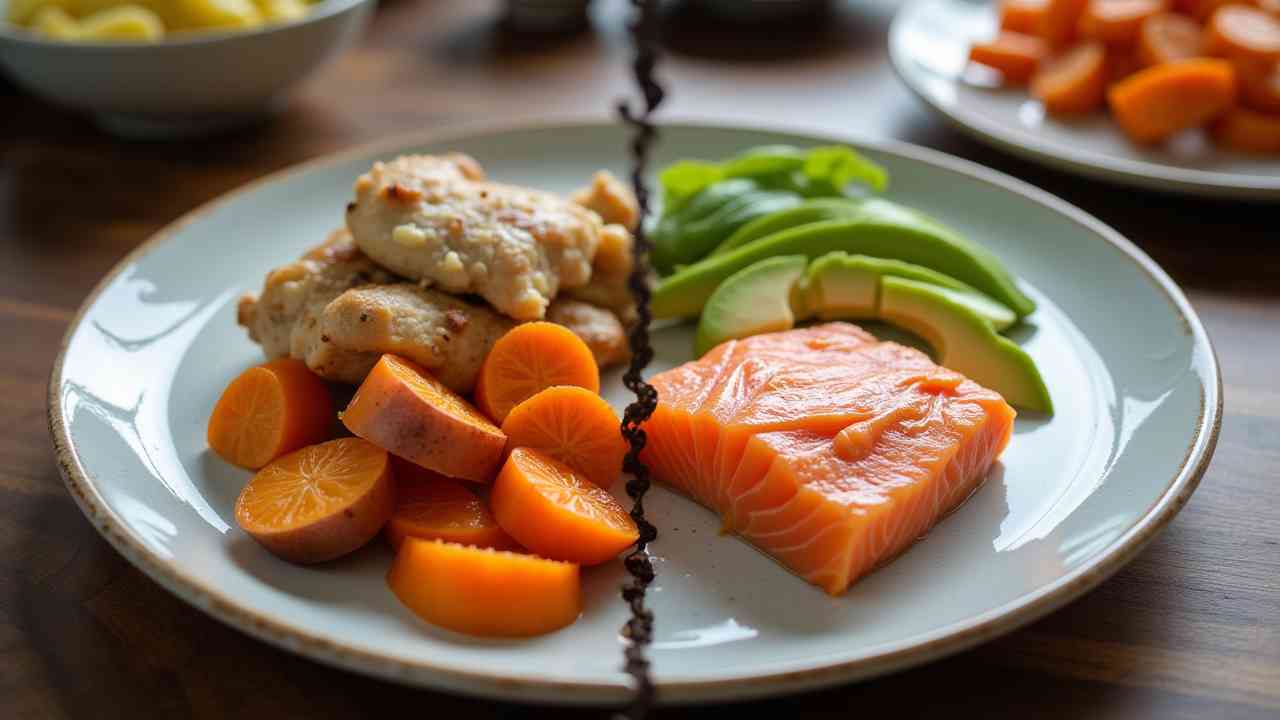
Carb Cycling Diet Plan: The Fat-Burning Guide 📈
What is a Carb Cycling Diet Plan?
A carb cycling diet is an eating strategy. It is not a "brand-name" diet like Keto or Paleo. It is a method of planning your nutrition based on your activity. 🗓️ The core principle is simple: You alternate high-carbohydrate days with low-carbohydrate days. The goal is to get the best of both worlds. You get the benefits of carbs. You also get the benefits of a low-carb diet. This strategic rotation can help you build muscle, lose fat, and break through weight-loss plateaus. 🚀
The Core Mechanism: Why it Works
Carb cycling is all about hormone and fuel management. Your body responds differently to high-carb and low-carb days. 🧠 1. High-Carbohydrate Days (High-Carb):
On these days, you eat a lot of healthy carbs. This does two things:
- It refills your glycogen stores. Glycogen is the fuel in your muscles. This is what powers your high-intensity workouts (like lifting weights). 🏋️
- It spikes insulin. Insulin is an "anabolic" (building) hormone. It helps drive nutrients into your muscle cells. This promotes muscle growth and repair.
- It boosts leptin. Leptin is your "satiety" hormone. It tells your brain you are full. It also helps regulate your metabolism. A high-carb day can "re-set" your metabolism. It stops it from slowing down during a long diet. 🔥
On these days, you eat very few carbs. This also does two things:
- It improves insulin sensitivity. By keeping insulin low, your body becomes more sensitive to it. This means next time you eat carbs, your body uses them more efficiently.
- It promotes fat oxidation. When you have no carbs (glycogen) to burn, your body is forced to switch its fuel source. It starts burning your stored body fat for energy. 📉 This is the primary fat-loss mechanism.
The Most Important Rule: Protein is Constant 🔑
This is the golden rule of carb cycling. Your protein intake stays high and consistent every single day. Protein protects your muscle mass. It keeps you full. You do not cycle your protein. 🥩 You only "cycle" your carbs and your fats. They have an inverse relationship:
- High-Carb Day = Low-Fat Day
- Low-Carb Day = High-Fat Day
How to Plan Your Weekly Carb Cycle
Your carb cycle is not random. It must be planned around your life and your workouts. This is the most important part of the plan.
Rule 1: Match Your Carbs to Your Training (The #1 Rule)
The entire plan is based on this rule. You must "earn" your carbs. You eat carbs to fuel your work. 💡 HIGH-CARB DAYS = YOUR HARDEST WORKOUT DAYS This is non-negotiable. Plan your high-carb intake on the days you need the most fuel. This is for your most intense, difficult workouts.
- Heavy Leg Day (Squats, Deadlifts) 🦵
- Long, intense endurance runs or rides (90+ minutes) 🏃
- Metabolic Conditioning (CrossFit, HIIT)
- Upper Body (Chest, Back, Arms)
- Light cardio (a 30-minute jog)
- Skill or technique work
Sample 7-Day Carb Cycle Schedule (For Fat Loss)
This is a great, balanced template for someone who works out 5 days a week. This schedule is designed for fat loss while maintaining muscle.
Day of WeekWorkoutCarb LevelMondayHeavy Leg Day (Squats)HIGH CARB / Low FatTuesdayUpper Body (Push)Moderate Carb / Moderate FatWednesdayRest Day (LISS Cardio / Walk)LOW CARB / High FatThursdayHeavy Back Day (Deadlifts)HIGH CARB / Low FatFridayUpper Body (Pull)Moderate Carb / Moderate FatSaturdayFull Body HIIT or SportModerate Carb / Moderate FatSundayRest Day (Total Rest)LOW CARB / High FatAs you can see, the two rest days are your "keto-like" low-carb days. The two hardest lifting days are your "re-feed" high-carb days. This is a perfect balance. ⚖️
Sample Carb Cycling Meal Plan (The Foods)
So, what does this look like in the kitchen? 🧑🍳 Remember: Protein is the same every day. The source of protein just changes. (Lean vs. Fatty).
High-Carb Day Food List (Low Fat)
On these days, you are eating "clean" carbs and "lean" protein. You must actively avoid fats.
- Protein (Lean): Chicken Breast 🍗, Turkey Breast, White Fish (Cod, Tilapia), Egg Whites 🍳, Whey Protein Isolate.
- Carbs (Complex): Oatmeal, Sweet Potatoes 🍠, Brown Rice, Quinoa, White Potatoes, Fruit (Bananas 🍌, Apples 🍎), Beans, Lentils, Whole-Grain Bread.
- Fats (Avoid): No nuts, no avocado, no butter, no oils. Your only fat comes from your lean protein source. 🚫
Example High-Carb Day Menu:
- Breakfast: Oatmeal with a scoop of whey protein, mixed with water and berries.
- Lunch: A large baked sweet potato, stuffed with shredded chicken breast and salsa (salsa is a great zero-fat topping).
- Pre-Workout: A banana and a rice cake.
- Dinner (Post-Workout): A large portion of grilled white fish (cod). A large side of quinoa or white rice. A huge portion of steamed broccoli (a fibrous carb).
Low-Carb Day Food List (High Fat)
On these days, you are eating a keto-style diet. You must avoid carbs and add fats.
- Protein (Fatty): Ribeye Steak 🥩, Salmon 🐟, Whole Eggs 🍳, Chicken Thighs (skin on), 80/20 Ground Beef.
- Carbs (Fibrous): Leafy Greens (Spinach, Kale) 🥬, Broccoli, Cauliflower, Asparagus, Celery, Cucumber. These are your only carbs.
- Fats (Eat Freely): Avocado 🥑, Nuts (Almonds, Walnuts), Seeds (Chia, Flax), Olive Oil, Coconut Oil, Butter 🧈, Full-Fat Cheese. 🧀
Example Low-Carb Day Menu:
- Breakfast: 3-4 whole eggs scrambled in butter. A side of avocado, sliced.
- Lunch: A massive spinach salad. Topped with a grilled salmon fillet, almonds, and a heavy olive oil vinaigrette.
- Snack: A handful of nuts. Or a piece of string cheese.
- Dinner: A fatty ribeye steak. A large side of roasted asparagus (tossed in olive oil). Or cauliflower "mashed potatoes" with butter and cream.
How Many Carbs? (Calculating Your Macros)
This is the advanced part. You need to know your numbers. 🧮 This requires you to track your food. Use an app like MyFitnessPal or Cronometer. This is a sample setup for a 180-pound person eating 2,200 calories. Protein is CONSTANT: 1g per lb of bodyweight = 180g of Protein (720 calories). This is the anchor. The other 1,480 calories are "cycled" between carbs and fats.
High-Carb Day (Low Fat)
- Protein: 180g (720 calories)
- Carbs: 250g (1,000 calories)
- Fat: 40g (360 calories)
- Total: ~2,080 calories (Note: Calorie count is slightly lower due to low fat)
Low-Carb Day (High Fat)
- Protein: 180g (720 calories)
- Carbs: < 50g (Net Carbs) (Under 200 calories)
- Fat: 142g+ (1,280+ calories)
- Total: ~2,200 calories (Note: Fat makes up the difference)
Conclusion: A Flexible Tool for Advanced Users
Carb cycling is an amazing tool. 🛠️ It is not for the absolute beginner. It is for people who have a consistent workout plan. It is the perfect strategy to break a fat-loss plateau. 📈 It lets you enjoy carbs. It helps you stay sane on a diet. It keeps your metabolism high. It keeps your gym performance high. It is one of the most sustainable long-term plans for athletes. Remember the rules: Protein is constant. Eat your carbs on your hard days. Eat your fats on your rest days. This simple, powerful strategy is the key to building muscle while burning fat. 🌟