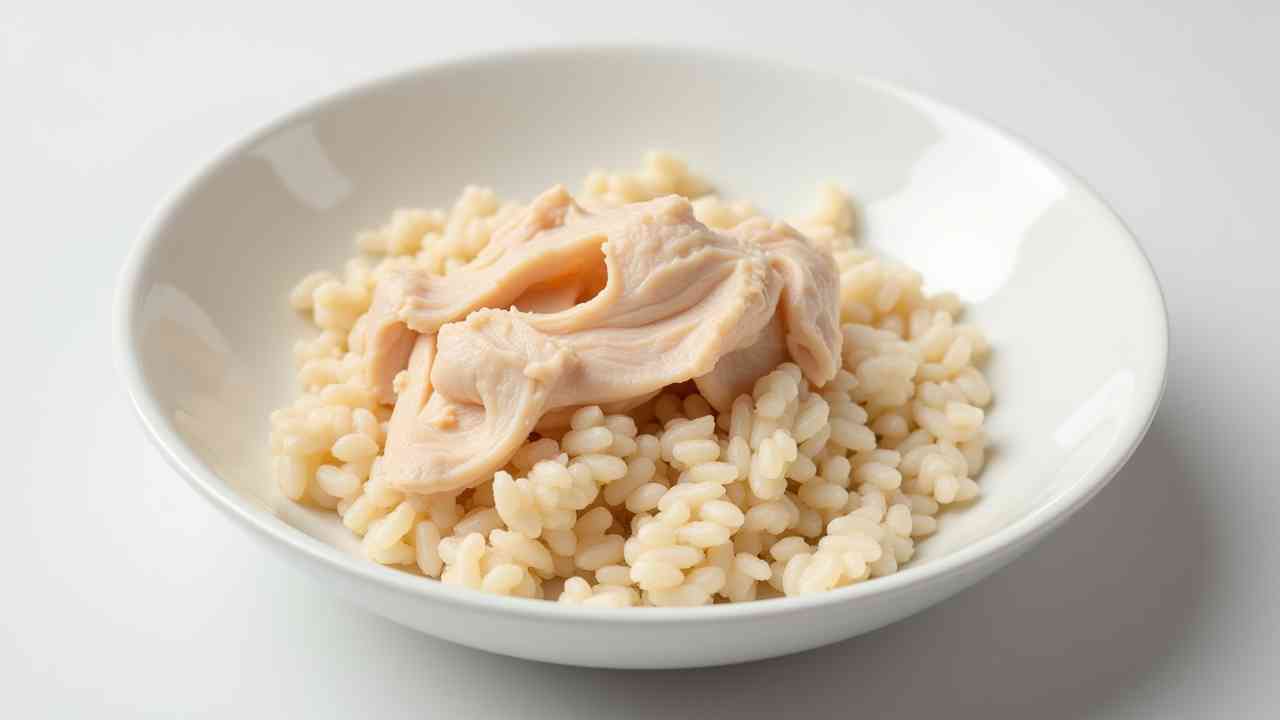
Bland Diet for Dogs: 3-Step Diarrhea Fix 🐾🍚
What is a Bland Diet for Dogs?
Your dog has diarrhea. 😥 It is a stressful, messy problem. You want to help them feel better fast. The best solution is often a bland diet. A bland diet is a temporary food plan. 🗓️ It is very simple. It is boring on purpose. Its goal is to "reset" the digestive system. 🔄 This diet is easy to digest. It is very gentle. It gives your dog's gut a much-needed rest. This allows the inflamed intestines to heal. 🧘 This diet stops the "feedback loop" of irritation. It is the #1 tool for managing mild, acute diarrhea. This guide will show you how to do it. We will cover the food. We will cover the schedule. 💡 This is your complete 3-day recovery plan. This diet is a short-term solution. It is not a "forever" food. It is a medical tool for a specific problem. Let's get your furry friend feeling better.
CRITICAL WARNING: When to See a Vet 🧑⚕️
This is the most important part of the article. This diet is for MILD diarrhea only. ⚠️ It is for a dog that is otherwise happy. 🐕 The dog is alert. They are drinking water. They just have a loose stool. This diet is not for serious illness. You must CALL YOUR VET immediately. Do not try this diet. 🚫 Call your vet if you see these signs:
1. Severe, Watery Diarrhea
This is a major red flag. 🚩 The diarrhea is like a water faucet. It is explosive. This can cause rapid, life-threatening dehydration. 💧
2. Blood in the Stool
This is an emergency. Call the vet now. It can be bright red, fresh blood. Or it can be dark, black, tarry stools. This is digested blood. 🩸 This signals internal bleeding. It is very serious.
3. Diarrhea with Vomiting
This is a dangerous combination. 🤢 The dog is losing fluids from both ends. If the dog cannot keep water down, this is serious. The risk of dehydration is extremely high. This requires medical intervention. 🏥
4. Lethargy or Weakness
Your dog is not just "sad." They are weak. 😞 They will not get up. They will not play. They are listless. They have no energy. Their tail is down. This is a sign of a systemic infection. Or a serious illness.
5. Fever or Abdominal Pain
If your dog's abdomen is hard or bloated, this is a bad sign. If they cry or yelp when you touch their belly... 🗣️ This is a sign of severe pain. Call the vet. 📞
6. It is a Puppy or a Senior Dog
Very young puppies and very old dogs are fragile. 👵 They have no reserves. They cannot handle fluid loss. They can dehydrate very fast. It can be fatal. Do not "wait and see" with these dogs. Call the vet.
7. It Lasts More Than 48 Hours
The bland diet should work fast. (In 1-2 days). If the diarrhea continues, stop the diet. Call your vet. 🩺 This means the problem is not simple irritation. It could be parasites (like Giardia). It could be an infection. 🦠 It could be a deeper issue (like IBD or Pancreatitis). This diet does not treat infections. It does not treat parasites. It only treats irritation. Please be safe. When in doubt, call the vet.
Step 1: The Optional Fast (The Reset Button)
For a healthy adult dog, you can start with a brief fast. This is often the first step. 🔑 The goal is to give the gut a total rest. Stop all digestion. This lets the inflammation calm down first. This fast should last 12 to 24 hours. This means no food. No treats. No kibble. 🚫 This is for a healthy adult dog only. I will say it again. Do not fast a puppy. Do not fast a senior dog. Do not fast a toy breed. Do not fast a dog with diabetes. This can be very dangerous for them. During this fast, you must provide water. 💧 Fresh, clean water must always be available. In fact, encourage them to drink. Dehydration is the enemy. After 12-24 hours of rest, the gut is ready. It is ready for the bland diet.
Step 2: The Bland Diet Ingredients
The bland diet is a simple, classic recipe. It has two main parts. A protein and a starch. The recipe is simple on purpose. This is the entire point. No spices. No oil. No fat. No seasoning. This is the rule. Do not add them. 🚫 You may think it is "boring." That is the goal. Boring is gentle. Boring is safe. Boring lets the gut heal.
The Protein: Lean, White Meat 🍗
This is the energy source. It must be easy to digest. Your #1 choice is boneless, skinless chicken breast. You must remove all the skin. You must remove all the fat. Fat is the #1 enemy of an upset gut. 🤢 Fat is very hard for a dog to digest. It requires a lot of work from the pancreas. Fat will make the diarrhea much, much worse. Good Protein Choices:
If you use ground meat, you must boil it. 💧 After boiling, you must drain it. Then rinse the meat with hot water. This rinses off every last bit of fat. This is critical. Forbidden Proteins:
The Starch: Simple and White 🍚
This is the "binder" for the stool. It provides easily digestible calories. Your #1 choice is plain white rice. Yes, white rice. Not brown rice. 🚫 This is the one time in your life... ...that white rice is healthier than brown rice. Why White Rice, Not Brown? Brown rice is a whole grain. It is full of fiber. This fiber is tough to digest. It "scrubs" the intestines. This scrubbing is good for a healthy gut. But it is terrible for an inflamed, sore gut. 😫 It is like scrubbing a sunburn with a loofah. It causes more irritation. White rice is a simple starch. The fiber is gone. It is "empty." This makes it incredibly easy to digest. It requires almost zero work from the gut. It also helps to absorb excess water in the colon. This is what firms up the stool. 🔑 Good Starch Choices:
The "Magic" Addition: Canned Pumpkin 🎃
This is the #1 vet-recommended hack. It is a miracle food. You must buy 100% Pure Canned Pumpkin. It is in the baking aisle. DO NOT buy "Pumpkin Pie Filling." 🚫🥧 Pumpkin pie filling is right next to it. The cans look the same. But pie filling is loaded with sugar. It has cinnamon and nutmeg. This will make your dog much, much sicker. 🤢 Read the label. It must say one ingredient: "Pumpkin." Why Does Pumpkin Work? Pumpkin has soluble fiber. 🌿 This is different from the fiber in brown rice. Soluble fiber dissolves in water. It forms a gel in the intestines. 💧 This gel does two amazing things. 1. It absorbs excess water in the colon. This is what stops diarrhea fast. 2. It acts as a "prebiotic." It feeds the "good" gut bacteria. This helps them recover and fight the "bad" bacteria. It is a magic ingredient. It works for diarrhea and constipation. You can use pumpkin instead of rice. Or you can use it with rice. It is a fantastic tool to have in your pantry.
Step 3: The Bland Diet Recipe (Cooking)
This is simple. The cooking method is boiling. Do not fry. Do not roast. Do not grill. Boil it. 💧 Boiling adds no fat. It also makes the food very soft and easy to digest.
The Chicken & Rice Recipe
1. Prepare the Protein: Take 1-2 boneless, skinless chicken breasts. Place them in a pot. Cover them with plain water. Do not add salt or oil. 🚫 Bring the water to a boil. Then reduce the heat. Simmer for 15-20 minutes. Simmer until the chicken is cooked through (165°F). 2. Cook the Rice: While the chicken cooks, make your rice. 🍚 Cook 1 cup of white rice. Use 2 cups of water. Pro-Tip: Use the water you just boiled the chicken in! 💡 This "chicken broth" adds flavor. It makes the rice more appealing. Cook the rice until it is very soft. A little "mushy" is perfect here. 3. Shred the Chicken: Remove the cooked chicken from the pot. Let it cool. Use two forks to shred the chicken finely. 🍴 You can also dice it. But shredding is easier to mix. It is easier to digest. 4. Mix the Meal: The ratio is key. You want more starch than protein. Protein is harder to digest than plain starch. The ideal, classic ratio is: 1 Part Protein to 2 Parts Starch. So, you will mix 1 cup of shredded chicken... ...with 2 cups of soft white rice. ✅ This is the final, complete meal. Mix it together well. Pumpkin Modification: If you are using pumpkin, you can do this: A good mix is \frac{1{3 chicken, \frac{1{3 rice, and \frac{1{3 pumpkin. A little pumpkin goes a long way. 🎃 Do not give more than 1-2 tablespoons per meal for a medium dog. Too much fiber can also be a problem.
Step 4: The 3-Day Feeding Plan
You have your bland food. It is cooled down. Now, how do you feed it? 🤔 Do not give your dog a giant, normal-sized meal. 🚫 Their gut is very sensitive. A large meal will stretch the stomach. It will trigger more diarrhea. The secret is small, frequent meals. 🔑 This gives the gut tiny, manageable amounts of food. It lets the gut heal slowly. It keeps the system working, but at a very low level. You will feed 3-5 small meals. Spread them out during the day. 🕒
Day 1: The Reset (After Fasting)
This is the first day of re-feeding. Your dog is hungry. But you must be strong. Be strict. Give a very small amount of food. Give about 25% of their normal daily amount. Total for the whole day. You will split this tiny amount into 3-4 "micro-meals." Example: Your dog normally eats 2 cups of kibble per day. On Day 1, they get only \frac{1{2 cup of the rice/chicken mix. Total. This is 2-3 tablespoons, 4 times during the day. It is tiny. This is correct. It rests the gut. By the end of Day 1, the stool should be forming. It should be less watery. 💩
Day 2: The Healing
If Day 1 went well, you can increase the food. The diarrhea should be improving. The stools are firmer. Give about 50% to 75% of their normal daily amount. Total. Again, split this into 3-4 small meals. The stools should be firming up. They should look "soft-serve" or almost normal. This is a great sign. The diet is working. ✨
Day 3: The Recovery
By Day 3, things should be good. 👏 Your dog has firm, normal-looking poops. They are energetic. They are happy. Their appetite is back. You can now feed their "normal" daily amount of food. Use the bland diet food. You can go back to 2-3 meals instead of 4. If the diarrhea is gone, you are a hero. 🥇 But you are not finished. The next step is the most critical one of all.
Step 5: The Transition Back to Kibble (CRITICAL)
Your dog is cured! You are excited. 🎉 You throw away the leftover chicken and rice. You fill their bowl with their normal kibble. ...and 6 hours later, the diarrhea comes right back. 😭 This is the most common mistake. You must transition back slowly. A bland diet is soft, simple, and has no fat. Kibble is hard. It is complex. It is coated in fat. Fat gives it flavor. Fat is a preservative. Your dog's gut has been on vacation. It is not ready for a rich, fatty meal. 🤢 You must re-introduce the kibble slowly. This is non-negotiable. This transition should take 3 to 5 days. 🗓️ This gives the gut bacteria (the microbiome) time to adjust. It lets the pancreas ramp up its enzyme production. Do not rush this step. Or you will be right back at Step 1.
The Tapering Schedule (The 25% Rule)
Use a 25% ratio. Mix the bland diet with their normal kibble. Day 4 (First Transition Day): Serve a bowl with 75% bland diet + 25% normal kibble. 🥣 Mix it all together. Watch them. Is the poop still good? ✅ Day 5 (Second Transition Day): Serve 50% bland diet + 50% normal kibble. ⚖️ Still good? Great. The gut is adapting. Day 6 (Third Transition Day):