Are Shirataki Noodles Keto? Yes! 🍝
Are Shirataki Noodles Keto-Friendly?
This is the big question for pasta lovers. 🍝 You are starting a keto diet. You must give up pasta. This can be a deal-breaker for many people. It is very hard. But what if there was a noodle with zero carbs? 🤔 A noodle with zero calories? It sounds like a fantasy. It sounds like a "miracle." Well, that is its nickname. "Miracle Noodles." The answer is a 100%, enthusiastic YES! ✅ Shirataki noodles are the ultimate keto diet hack. They are a game-changer. They are, without a doubt, the most keto-friendly noodle on Earth. 🌍 They allow you to eat pasta. You can have ramen. You can have stir-fries. You can do all of this. All with zero guilt. And zero carbs. This guide will explain everything. What are they? Why are they keto? And most importantly... how do you make them taste good? 😋 Because you must prepare them. There is a secret to it. 🤫 If you fail to prep them, you will hate them. We will show you the secret.
What ARE Shirataki Noodles?
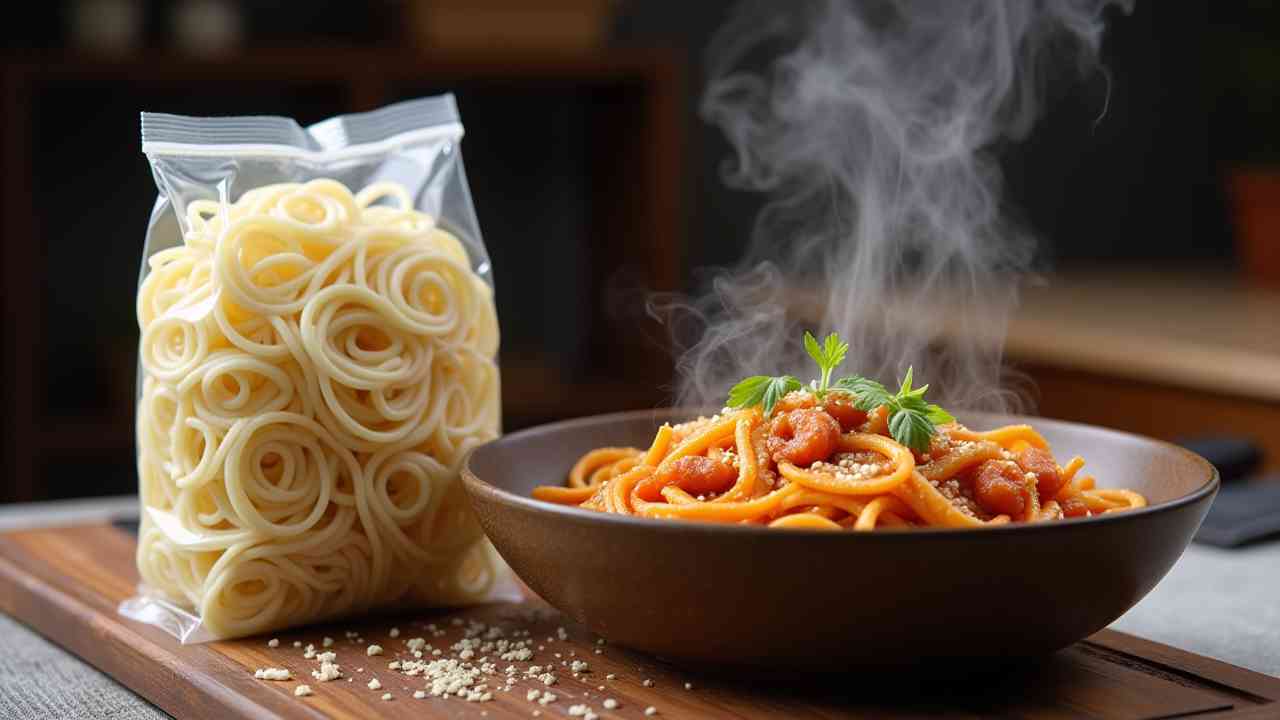
Let's look at what you are eating. Shirataki noodles come from Asia. 🇯🇵 They are a traditional Japanese food. "Shirataki" means "white waterfall." This describes their look. They are long, white, and translucent. They are also called "Konjac Noodles." This is because they are made from the Konjac plant. (Pronounced: KON-jak). Specifically, they are made from the root of the konjac plant. 🍠 This root is a type of yam. It is ground into a flour. This flour is then mixed with water. It is formed into noodles, or even "rice." But this is not a normal "flour." It is a special kind of fiber.
The Science: Why Are They Zero Carb?
This is the magic part. This is why shirataki noodles are keto. 🔑 The konjac root is made of a fiber. This fiber is called glucomannan. 🧬 Glucomannan is a soluble, indigestible fiber. What does "indigestible" mean? 🧐 It means your body cannot break it down. It cannot use it for energy. It has no effect on your blood sugar. It has no effect on insulin. It passes right through your small intestine. Untouched. 🚶 This is the definition of a "net zero" carb food.
The Nutrition Facts: A Dieter's Dream
Let's look at the label of a standard bag. 🏷️ A 7-ounce (200g) serving of shirataki noodles has:
- Calories: 10
- Fat: 0 grams
- Protein: 0 grams
- Total Carbohydrates: 3 grams
- Dietary Fiber: 3 grams
The Big Problem: The Smell and The Texture 🐟
Okay, this sounds too good to be true. What is the catch? 🤨 There is a catch. And it is a big one. If you are not prepared, it will shock you. It is the reason people quit. The catch is the smell and the texture.
The Smell (It is "Fishy")
When you first open a bag of shirataki noodles... you will be hit by a strange smell. It smells "fishy." Or "oceany." 🐟 You will be confused. "Is this a fish product?" No. It is 100% vegan. 🌱 The smell is not the noodle. The smell is the liquid. The noodles are packed in a solution. This is an alkaline water solution. 💧 This solution keeps the noodles stable. It preserves them. But this alkaline water has a distinct, funky, "fishy" odor. It is very unpleasant. 🤢 If you just heat them up, your food will taste like this smell. This is why you MUST prep them. We will show you how. This smell is 100% removable. ✅
The Texture (It is "Rubbery")
This is the second challenge. This is not Italian pasta. It is not soft. 🌾 Shirataki noodles have a "snap." They are chewy. They are gelatinous. The texture is often described as "rubbery." Or like a jellyfish. 🦑 If you are expecting soft spaghetti, you will be disappointed. This texture is... unique. You must get used to it. However, we have a secret. There is a way to fix this. You can improve this texture by 50-80%. You can make it much less rubbery. You can make it more like an "al dente" pasta. 💡 The secret is in the preparation.
The NON-NEGOTIABLE Prep: How to Cook Shirataki Noodles
Do not skip these steps. This is the most important part of the article. 🚨 If you ignore this, you will have a bowl of smelly, rubbery noodles. You will throw them away. You will say, "Keto is terrible." Do not do that. Follow this 3-step magic process. ✨ This process takes 5-7 minutes. It is worth it. It is essential.
Step 1: The Rinse (Remove the Smell)
This is the first, vital step. We must remove the "fishy" liquid. 1. Open the bag of noodles. Open it over your sink. 2. Pour the noodles into a colander or sieve. strainer 3. Let all the packing liquid drain away. 4. Now, turn on your hot water tap. 🔥 5. Rinse the noodles under very hot water. Rinse them for at least 2-3 full minutes. ⏰ Be thorough. Shake the colander. Move the noodles around. This hot water washes away 100% of the alkaline liquid. After 2 minutes, lean in. Smell the noodles. What do you smell? Nothing. The smell is gone. Completely. ✅ This step alone solves the smell problem.
Step 2: The Boil (Optional, but Good)
This is an optional "insurance" step. I recommend it. 1. Bring a small pot of water to a boil. 2. Add your rinsed noodles to the boiling water. 3. Boil them for 2-3 minutes. ♨️ 4. Drain them again. This step does two things. It removes any last trace of the original smell. And it begins to improve the texture. It heats the noodle through.
Step 3: The Dry-Fry (THE REAL SECRET) 🍳
This is the magic. This is the step that changes the texture. Do not skip this. This is how you go from "rubbery" to "noodle-like." Remember, the noodles are 97% water. This makes them rubbery. We must remove some of this water. 💧 1. Take your rinsed and drained noodles. 2. Heat up a dry skillet. A non-stick pan is best. 3. Do NOT add any oil. No butter. A DRY pan. 🔥 4. Dump the wet noodles into the hot, dry pan. 5. You will hear a loud hissing. This is good. The water is evaporating. 💨 6. Stir the noodles in the pan. Use tongs or a spatula. 7. Keep stirring them. The hissing will get louder. Then, it will get quieter. 8. You will hear a new sound. The noodles will start to squeak on the pan. They will sound "sticky." This is the sound of the fiber. The water is gone. 9. This takes 3-5 minutes. The noodles will shrink slightly. They will become more opaque. The texture is now firm. It is "al dente." They are no longer rubbery. They are ready for your sauce. 👨🍳 This 3-step process (Rinse, Boil, Dry-Fry) is the secret. It is the only way to cook shirataki. It is the key to making them delicious.
The Benefits of Shirataki Noodles
Now that they taste good, let's look at the benefits. They are a true superfood for dieters.
1. Perfect for Keto and Weight Loss
This is the main benefit. Zero carbs. Zero calories. Zero sugar. They are a 100% "free" food. You can eat them in large amounts. They will not impact your ketosis. They will not impact your calorie count. 📉 This is a powerful psychological tool. It helps you fight cravings. You can have a huge, "carb-like" meal. This makes the diet feel less restrictive. This helps you stick to it. Adherence is the key to any diet.
2. Amazing for Satiety (Feeling Full)
This is the second benefit. They make you feel full. 🤰 That glucomannan fiber is a "soluble" fiber. This means it absorbs water. It absorbs a lot of water. It can absorb up to 50 times its weight. In your stomach, the noodles and the fiber expand. They mix with water. They form a thick, viscous gel. This gel fills your stomach. It takes up space. This sends a powerful signal to your brain: "I am full." 🧠 This is why shirataki noodles are so good for appetite control. They are the ultimate diet food. They have no calories, but they make you feel full. This is a bio-hack. 💡
3. Controls Blood Sugar
This is a huge benefit for diabetics. 🩺 The noodles have a Glycemic Index of zero. Zero. They do not raise blood sugar at all. They do not trigger an insulin response. The gel-forming fiber also helps other foods. It slows down digestion. This can help blunt the blood sugar spike from your entire meal. They are a safe, fantastic food for diabetics.
4. Prebiotic (Feeds Your Gut)
The glucomannan fiber is a prebiotic. 🦠 It is food for your good gut bacteria. Your "microbiome" in your large intestine eats this fiber. This helps the good bacteria grow. A healthy gut is linked to a healthy life. It improves your immune system and mood. 😃
The Risks and Side Effects (A Warning) ⚠️
This food is not perfect. It has some potential drawbacks. These are all related to one thing: the fiber. This is a lot of fiber. 📈 Your body may not be ready for it.
1. Digestive Distress (Gas and Bloating)
This is the main complaint. 🤢 If you go from a low-fiber diet... ...to a huge bowl of pure fiber noodles... ...you will have a bad time. 💥 Your gut bacteria will have a huge party. This party produces a lot of gas. This can lead to uncomfortable bloating, gas, cramps, and diarrhea. It is not dangerous. It is just very uncomfortable. The Solution: Start Slow! 🐢 Do not eat a giant, 14-ounce bowl your first time. 🚫 Start with a small, 3-ounce serving. Mix it with other foods. (Like vegetables or meat). See how your body reacts. Wait a day. If you feel fine, you can try a larger portion next time. Let your gut bacteria adapt. This is the key.
2. You MUST Drink Water
This is a safety rule. 💧 This fiber absorbs a lot of water. That is its job. It will pull water from your system. If you are dehydrated, this is bad. It can create a "blockage" or "plug." This can lead to constipation. This is a serious risk if you are already constipated. The Solution: When you eat shirataki noodles, you must drink a full glass of water with your meal. 💧 This gives the fiber the water it needs. It lets it form the soft gel. This allows it to pass through you safely.
3. They Are "Zero-Nutrient"
This is important to remember. They are not "healthy" in a vitamin sense. They are a "neutral" food. They are a "vehicle." A bowl of plain shirataki noodles has no protein. No fat. No vitamins. No minerals. 🚫 This is why you must never eat them plain. This is not a "miracle" food that provides all your needs. They are a "carrier." They are a "base." You must combine them with healthy, nutritious keto foods. ✅ They are the vehicle for your sauce. The sauce is the nutrition.
How to Use Shirataki Noodles: Keto Recipes
You have prepped your noodles. They are dry-fried. They are ready. They have a neutral, "al dente" texture. They will absorb any flavor you give them. This makes them perfect for keto sauces. Keto sauces are high in fat and flavor.
1. Keto Pasta Alfredo 🍝
This is the #1 best use. The noodles are a perfect match for a creamy, fatty sauce. The Sauce: In a pan, melt butter. Add heavy cream. Add minced garlic. 🧄 Let it bubble. Whisk in a large amount of grated Parmesan cheese. 🧀 Add salt, pepper, and a pinch of nutmeg. Toss your prepared shirataki noodles right into the hot sauce. Let them simmer in the sauce for 2-3 minutes. They will absorb the flavor. Serve in a warm bowl. Top with grilled chicken or shrimp. This is a perfect, 10/10 keto meal.
2. Keto "Ramen" or "Pho" 🍜
This is what the noodles were born for. They are perfect in Asian soups. The Broth: Use a rich, high-quality broth. Bone broth (beef or chicken) is the best. It is full of collagen and salt. 🧂 The Toppings: Add your favorite keto toppings. Sliced steak, shredded chicken, or a 7-minute "jammy" egg. 🥚 Add low-carb veggies. (Bok choy, bean sprouts, green onions). The Method: Add your prepped shirataki noodles to a bowl. Pour the hot, seasoned broth over them. Add your toppings. This is a 5-minute, zero-carb, high-protein meal.
3. Keto Stir-Fry (Pad Thai or Lo Mein)
The "chewy" texture of the noodles is perfect for a stir-fry. 🥢 The Sauce: Make a simple keto stir-fry sauce. The base is soy sauce (or tamari/coconut aminos). Add sesame oil, a little rice vinegar, and some minced garlic/ginger. You can add a keto sweetener (like monk fruit). This balances the salt. The Method: Stir-fry your protein (chicken, beef, tofu). Add low-carb veggies (broccoli, bell peppers). 🥦 Add your prepped shirataki noodles. Add your sauce. Toss everything for 2-3 minutes until hot. Garnish with peanuts or sesame seeds. This is a fast, delicious, low-carb dinner.
4. Keto "Mac" and Cheese (Using Shirataki Rice)
You can also buy shirataki in a "rice" shape. It is called "Miracle Rice." It looks like small, translucent pearls. Prep it the same way. (Rinse, boil, dry-fry). Then, use it as a base for a keto mac and cheese. Make a rich cheese sauce. (Heavy cream, cream cheese, cheddar, butter). 🧀 Fold the "rice" into the hot cheese sauce. It is a perfect, gooey, low-carb comfort food.
Conclusion: The Ultimate Keto Pasta Hack
So, are shirataki noodles keto? Yes. They are 100% keto.