🩺 A Doctor's Guide to Inspire Sleep Apnea Device Scars
🩺 A Doctor's Guide to Inspire Sleep Apnea Device Scars 🩺
❗ CRITICAL MEDICAL INFORMATION: Inspire is an FDA-approved implantable medical device. The implantation is a surgical procedure that carries risks and will result in permanent scars. You must consult with a qualified ENT surgeon or sleep doctor to see if you are a candidate. This guide is for informational purposes only.
Inspire Upper Airway Stimulation is a breakthrough treatment for people with moderate to severe obstructive sleep apnea (OSA) who cannot tolerate a CPAP machine. It's an implantable device that works like a pacemaker for your tongue, keeping your airway open while you sleep. Because it's an implanted device, the procedure does involve surgery, which leads to the common question about Inspire sleep scars.
This guide will explain the procedure and what you can realistically expect from the healing process. ✅
🤔 Why Are There Scars? The Implantation Procedure
The device is implanted in a minimally invasive, outpatient procedure. The surgeon typically makes two or three small incisions to place the components. These incisions are necessary to get the device's parts into their proper locations under the skin.
- Where Are the Scars Located?
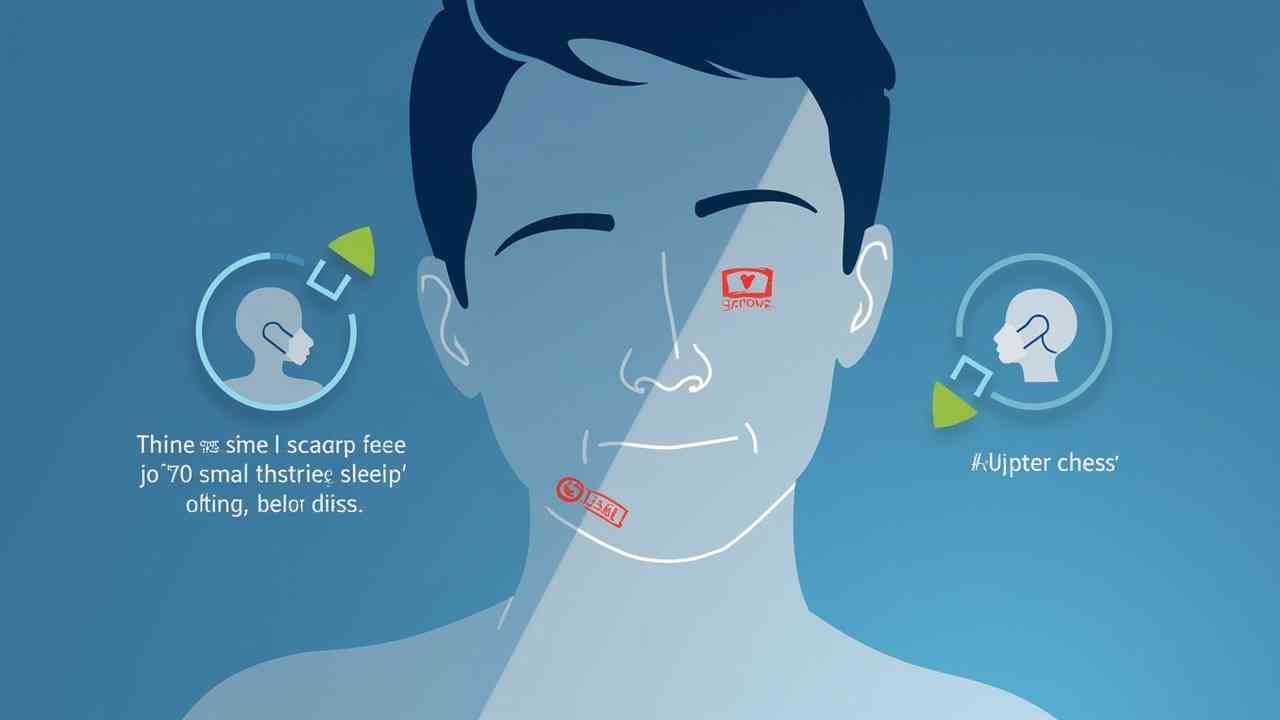
The placement of the incisions is very standardized and designed to be as discreet as possible. There are typically two main Inspire sleep scars:
1. The Chest Incision: A small horizontal incision (usually 1-2 inches) is made on the upper chest, below the collarbone. This is where the main neurostimulator device (the 'battery pack,' which is similar in size to a pacemaker) is placed in a small, shallow pocket under the skin.
2. The Neck Incision: A second, smaller incision is made in the upper neck. This incision is almost always placed in a natural skin crease under the jawline to be as hidden as possible. This incision allows the surgeon to place the small stimulation lead on the hypoglossal nerve, which controls your tongue muscles.
In some cases, a third small incision may be made on the side of the chest to place a sensor lead, but this depends on the specific model and your surgeon's technique.
- What Do the Scars Look Like After Healing?
Surgeons are very mindful of aesthetics. They are trained to place these incisions in areas where they are least noticeable. In the 'before' phase, right after surgery, you will have stitches or surgical glue. In the 'after' phase, once fully healed (which can take up to a year), the Inspire sleep scars are typically small, thin lines that fade significantly over time.
For most patients, the small, discreet scars are a very minor trade-off for the life-changing 'after' of sleeping freely without a CPAP mask, snoring, or the constant health risks of untreated sleep apnea.
If you are struggling with sleep apnea and cannot use a CPAP, talk to your doctor. They can determine if you are a candidate for this advanced procedure and can show you 'before and after' photos of the healing process. 🩺