8-Month Sleep Regression: Causes, Signs, and Survival 😴👶
What is the 8-Month Sleep Regression?
The 8-month sleep regression is a common developmental phase 👶.
It occurs when a baby who previously slept well suddenly begins experiencing frequent night wakings. It also includes prolonged struggles to fall asleep at bedtime. This phase typically occurs between 8 and 10 months of age. It is a temporary disruption of established sleep patterns 😴.
A sleep regression is often frustrating for parents. It signals a period of intense cognitive and physical growth for the infant.
The Primary Causes Developmental and Cognitive Leaps
The regression is not caused by a health issue. It is driven by massive, concurrent developmental milestones. These milestones make it difficult for the baby's brain to switch off and rest.
1. Major Motor Skills Acquisition
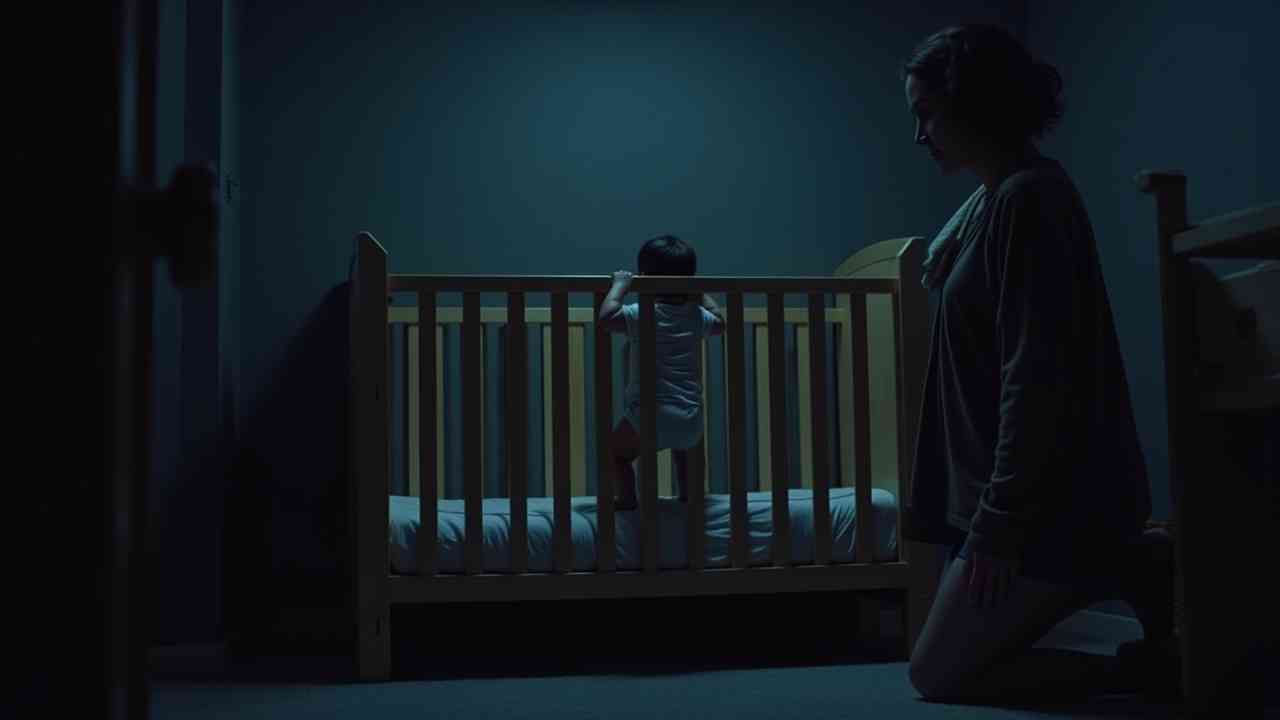
At this age, infants are mastering complex motor skills 🤸. They are learning to crawl, pull up to stand, and cruise. The brain practices these new skills constantly. When put down in the crib, the baby is neurologically driven to practice these motions instead of sleeping. Standing up in the crib becomes a common hurdle.
2. Separation Anxiety and Object Permanence
The baby's cognitive awareness expands dramatically around 8 months 🧠.
They achieve object permanence. This means they understand that things still exist even when they cannot see them. This newfound realization fuels separation anxiety. The baby wakes up and realizes you are gone. This causes immediate distress and crying.
3. Nap Transition and Schedule Change
Many babies begin to resist their third, late afternoon nap. The transition from three naps to two naps per day can temporarily disrupt nighttime sleep. An overtired baby often struggles more to fall asleep and stay asleep effectively ⚠️.
Recognizing the Key Signs of Regression
Identifying the regression is simple. The sudden change in sleep habits is the most obvious sign. Parents should look for specific behavioral markers.
- Increased Night Wakings: The baby wakes up every 1-2 hours, demanding attention.
- Difficulty Falling Asleep: The baby resists bedtime, protesting for 30 minutes or longer.
- Nap Resistance: Naps become shorter, or the baby fights the morning or afternoon nap fiercely.
- Standing in the Crib: The baby pulls up to stand and cries, unable to figure out how to sit back down safely.
Survival Strategies for Parents and Baby
The key to surviving this phase is maintaining consistency and addressing the underlying causes of the disruption. The regression is temporary, usually lasting a few weeks.
1. Practice Motor Skills During the Day
Maximize practice time for new skills during waking hours. Encourage crawling, standing, and especially sitting down safely from a standing position. This helps satisfy the brain's drive to practice the skills at night 💡.
2. Reassurance and Consistency
Maintain your established bedtime routine consistently. For night wakings, offer quick, calm reassurance without taking the baby out of the crib. Use a consistent phrase like, "It's nighttime, time for sleep." This reinforces that you are there, but it is not time to play.
3. Address Separation Anxiety
Practice short periods of separation during the day. Play peek-a-boo to reinforce object permanence in a fun way. This helps the baby understand that you will always return after being out of sight. A comforting routine minimizes bedtime anxiety 💖.
4. Maintain Nap Schedule
If the baby is fighting the third nap, it may be time to transition to two naps. If they are overtired, try moving the morning nap slightly earlier. Consistency in sleep and wake times is the most powerful tool against regression ⏰.
Conclusion: This Phase Will Pass
The 8-month sleep regression is a temporary sign of healthy cognitive development. Focus on consistency, offering reassurance, and practicing motor skills during the day. The disruption typically resolves within a few weeks as the baby masters the new skills 🌟.