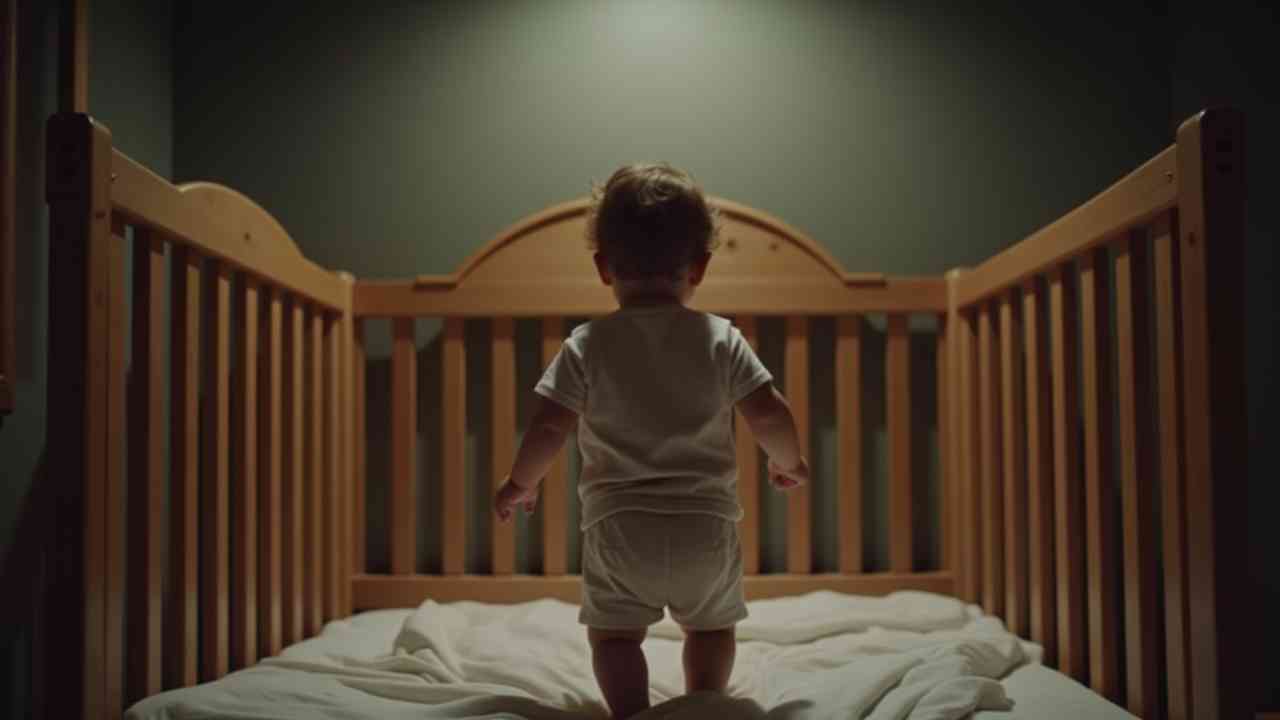
16 Month Sleep Regression: Causes & Fixes 😴💡
The 16-Month Sleep Regression: What Is It?
You may be feeling desperate. 😫 Your sweet 16-month-old was a great sleeper. Now, suddenly, they are not. Not at all. Bedtime has become a battle. ⚔️ Naps are a thing of the past. They are waking up all night long. Welcome to the 16-month sleep regression. First, take a deep breath. You are not alone. This is one of the most common sleep regressions. It is also one of the most difficult. It is a temporary phase. It will pass. 💡 This regression is not a "bad habit." It is a sign of incredible brain development. 🧠 Your toddler is not trying to torture you. (It just feels that way). They are growing. They are learning new, huge skills. These new skills are overwhelming their ability to sleep. This guide is your survival plan. 🗺️ We will explain the why behind the chaos. Then we will give you the solutions. You can get your sleep back. You can help your child. Let's dive in.
The "Why": 4 Reasons for the 16-Month Regression
This age is a "perfect storm" of development. Four major changes are happening at once. 🌪️ These changes all disrupt sleep. Understanding them is key to fixing them.
1. The 2-to-1 Nap Transition
This is the biggest culprit at this age. Most toddlers transition from 2 naps to 1 nap. 📉 This usually happens between 15 and 18 months. 16 months is a prime time for this change. This transition is messy. It is not clean. It can last for several weeks. 🗓️ How do you know it's time? You will see these signs:
- Your child plays in the crib for 30+ minutes before their morning nap.
- They refuse the morning nap entirely.
- They take a good morning nap...
- ...but then they refuse the afternoon nap completely. 😵
- They take both naps...
- ...but then they are not tired at bedtime. They play in their crib until 9 PM.
2. The Rise of Independence (The "No!" Phase)
Your 16-month-old has a new favorite word: "No!" 🚫 They are realizing they are a separate person. They are not just an extension of you. They have their own thoughts. They have their own will. This is a healthy, vital cognitive leap. 💡 But it makes them want to test boundaries. They want to see what they can control. What can they control? Their own body. They can control what they eat. (Cue food throwing). And they can control if they sleep. This is the big one. Bedtime is a boundary. It is a rule you set. They fight this rule to see what happens. "If I scream, does Mommy come back?" "If I throw my pacifier, does Daddy get it?" This is not them being "bad." This is them being a scientist. 🧑🔬 They are learning how their world works. Bedtime is their laboratory.
3. Separation Anxiety (A New Peak)
This is the emotional side of the coin. 💖 At 16 months, separation anxiety often peaks again. Your toddler understands object permanence. They know that when you leave the room, you are gone. This can cause genuine fear. 🥺 They are afraid of being alone in the dark. This is why they stall at bedtime. "One more book!" "One more song!" "Water!" They are trying to keep you in the room. They are trying to delay the separation. This is also why they wake up at night. 🌃 They wake up. They are alone. They panic. They cry for you. This is a real fear. It needs a loving, but firm, response.
4. Teething Pain (The Molars)
Let's not forget the physical pain. 🦷 Around 16-18 months, many toddlers cut their first molars. Molars are not like the front teeth. They are huge. They are flat and wide. They are very painful. This is a deep, aching, constant pain. During the day, your child is distracted. They are playing. At night, it is quiet. It is dark. All they feel is the pain. This pain can easily derail naps. It can cause night wakings. Look for the signs: Drooling, chewing on hands, red gums, low-grade fever, or pulling at their ears.
The Solution: Your 5-Step Survival Plan
You know the "why." Now, here is the "how." You must have a clear plan. You must be consistent. This is the most important word. Consistency. 🔑 Inconsistency is the worst thing you can do. If you give in sometimes, you teach them to scream longer. You must be a calm, confident, loving leader.
Step 1. Fix the Nap Schedule (The 2-to-1 Transition)
This is your first priority. Fix the daytime schedule. A broken nap schedule will break your night. 💯 You need to move your child to one nap. How to do it: The goal is one single nap. This nap should be in the middle of the day. It should start around 12:00 PM or 12:30 PM. Do not go "cold turkey." This will fail. 🚫 You must move the morning nap later, gradually. Use the "Push" Method: Let's say their old nap was at 10:00 AM. For 3 days, push it to 10:30 AM. Distract them to keep them awake. Then, for 3 more days, push it to 11:00 AM. Then, 11:30 AM. Keep pushing by 30 minutes every few days. Do this until you hit a 12:00 PM or 12:30 PM start time. 🕛 This new, single nap should be long. Aim for 2-3 hours. The Golden Rule: Use an Early Bedtime! This transition is hard. Your child will be tired. The wake window from their new nap (e.g., 2:30 PM) to bedtime is long. They will be fussy and overtired by 5 PM. This is normal. Do not be afraid of an early bedtime. ⏰ An overtired child has high cortisol. This is a "stress" hormone. It makes it harder for them to sleep. A 6:00 PM or 6:30 PM bedtime is your best friend. It is not too early. It will not cause a 4 AM wake-up. In fact, an early bedtime often fixes early wake-ups. 💡 This transition period is messy. You may have a 2-nap day. Then a 1-nap day. This is fine. Be flexible. But keep pushing toward that one nap.
Step 2. Give Them "Controlled Choices"
Your toddler is fighting for independence. So, give them some. Give them controlled independence. This is a powerful psychological trick. 🧠 Let them be the "boss" of the small things. This makes them feel powerful. They will fight you less on the big things. The "big thing" (bedtime) is non-negotiable. The details are. Good Choices to Offer:
- "Do you want your blue pajamas or your red pajamas?" 👕
- "Do you want to read the 'Dinosaur' book or the 'Llama' book?" 📚
- "Do you want your door open a crack, or closed?"
- "Do you want to turn the light off, or should I?"
- "Do you want to go to bed?" (The answer is always "NO!")
- "What do you want to do now?" (This is too much control).
Step 3. Create an Iron-Clad Bedtime Routine
A routine is a powerful signal. It tells the brain, "Sleep is coming." Your routine must be exactly the same. Every. Single. Night. 🗓️ It should be short (20-30 minutes). It should be calm and boring. Sample Routine: